June CPI cools to 3.5% as energy prices pull inflation lower
U.S. inflation came in below forecasts in June, giving markets some relief while the Fed signaled it is not ready to declare victory.
By Maya Okafor · Markets Writer
· 3 min read

U.S. inflation cooled more than Wall Street expected in June, a welcome data point for investors watching the Federal Reserve’s next move on interest rates. The reason was straightforward: energy prices fell sharply, taking pressure off the broader consumer price index.
The consumer price index, or CPI, fell 0.4% in June on a seasonally adjusted basis, the Bureau of Labor Statistics said Tuesday. CPI tracks the prices consumers pay for a basket of goods and services across the economy. Over the past 12 months, prices were up 3.5%.
Economists surveyed by Dow Jones had expected CPI to decline 0.2% for the month and rise 3.8% from a year earlier. May’s annual inflation rate was 4.2%. The June monthly drop was the largest since April 2020, according to the report.
Core CPI, which strips out food and energy because those categories can swing sharply, was unchanged in June. That brought the annual core inflation rate to 2.6%, below the Dow Jones consensus estimates of 0.2% monthly growth and a 2.9% annual rate. Core inflation had been 2.9% in May.
Energy did most of the work
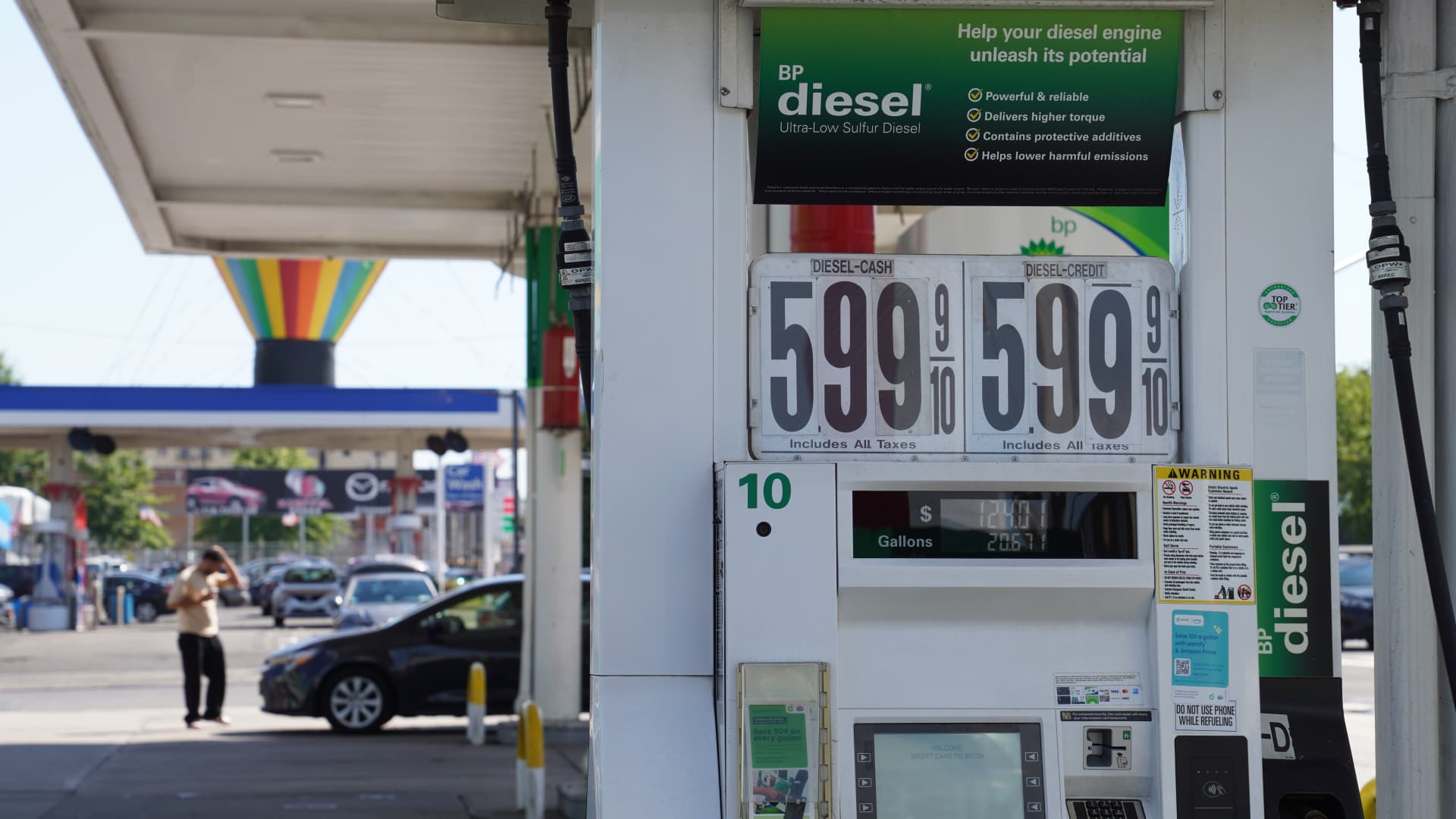
The energy index dropped 5.7% in June, the Bureau of Labor Statistics said, its steepest monthly decline since April 2020. Even after that fall, energy prices were still 15.7% higher than a year earlier. Gasoline was up 26.7% annually, though gasoline and fuel oil each fell more than 9% during June.
Services prices also eased, a category the Fed watches closely because it can signal whether inflation is sticking around. Services excluding energy were flat in June. Shelter costs rose 0.1%, while transportation services fell 0.3%.
Food prices rose 0.2%. New vehicle prices were unchanged, used cars and trucks declined 0.2%, and apparel prices fell 0.6%, according to the BLS.
Markets saw less pressure on the Fed
Stock market futures were mostly higher after the inflation report, while Treasury yields moved sharply lower. Lower yields can reflect expectations that the Fed may face less pressure to raise interest rates aggressively, although one month of data does not settle the path for policy.
Traders still expected a Fed rate increase in September, but the implied probability fell to 63% from above 75% a day earlier, according to CME FedWatch, which tracks pricing in interest-rate futures markets. The Fed’s benchmark overnight borrowing rate currently sits in a target range of 3.5% to 3.75%.
Fed Chairman Kevin Warsh pushed back against the idea that the inflation problem is solved. “There might be some that look at this morning’s data and say, ‘Oh, mission accomplished, everything is swell,’” Warsh said. “That is not my view.”
Heather Long, chief economist at Navy Federal Credit Union, said June gave the Fed some room to wait. “June finally brought some relief on inflation,” Long said. “This takes the pressure off the Federal Reserve and allows the central bank to wait and see what happens. The concern is that this relief will be short-lived as the war in Iran re-starts. It’s too uncertain to know how the inflation story ends.”
Fed Governor Christopher Waller said Monday it would take several months of favorable data to convince him inflation is returning to the central bank’s 2% target. After its June meeting, the Federal Open Market Committee said it “will deliver price stability.”
Oil remains a key risk. An easing of Middle East tensions helped push oil costs about 25% lower in June, but President Donald Trump said last week that a ceasefire with Iran had ended as both sides exchanged attacks. Oil rose Monday and was higher again Tuesday.
Ryan Weldon, investment director at IFM Investors, said a longer conflict would raise the chance that the Fed has to lift rates to support its inflation-fighting stance.
This story draws on original reporting from CNBC.