Bank of Korea lifts key rate to 2.75% as inflation pressure builds
South Korea’s central bank made its first rate increase since January 2023, matching Reuters-polled economists’ expectations.
By Jordan Bell · Startups & Deals Reporter
· 2 min read
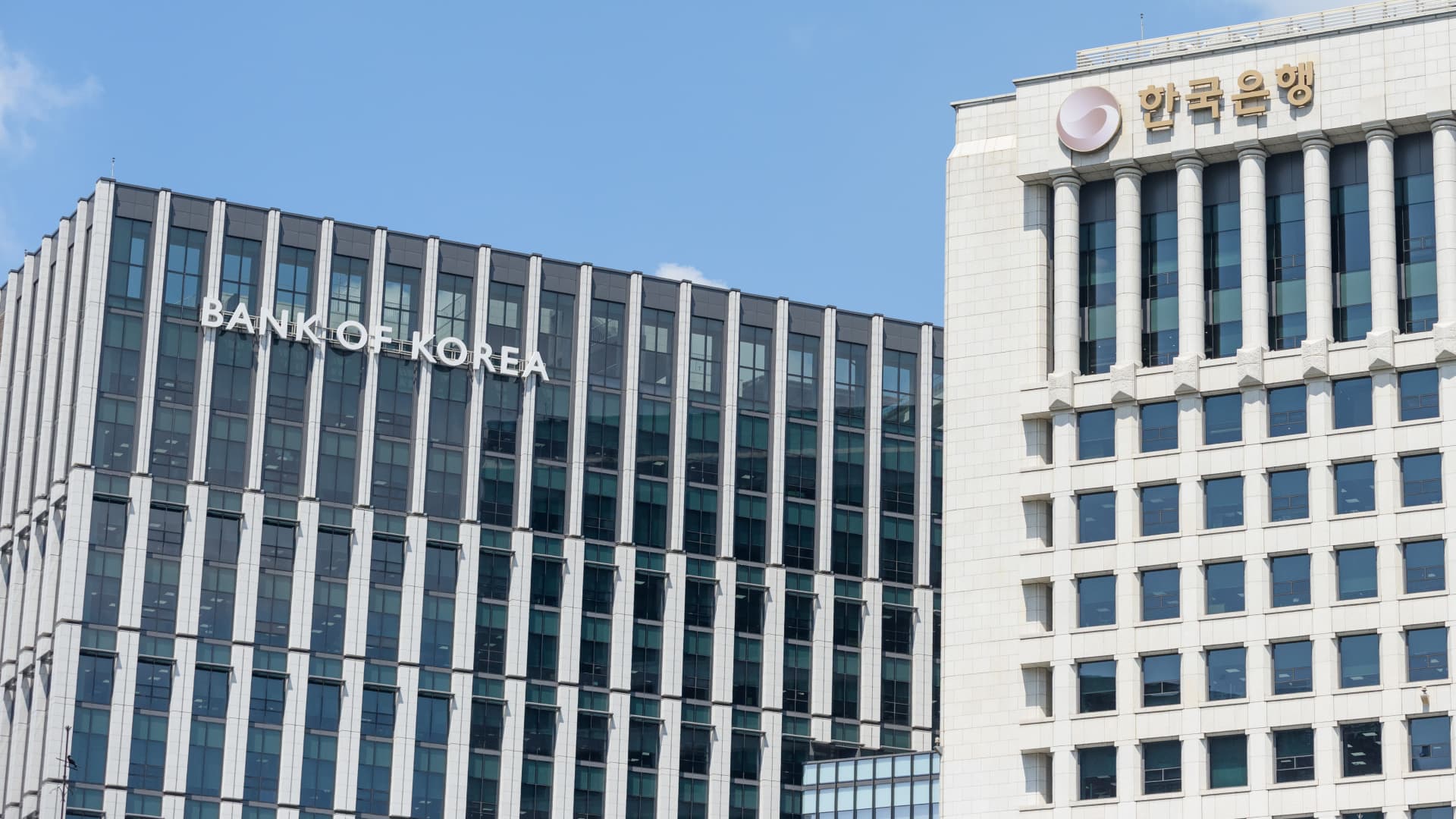
The Bank of Korea raised its benchmark policy rate to 2.75% on Thursday, its first increase since January 2023. For retail investors with exposure to South Korean stocks, currency funds or Asia-focused ETFs, the decision puts inflation, the won and chip-stock volatility back in focus.
The central bank increased the rate by 25 basis points, according to the Bank of Korea. A basis point is one-hundredth of a percentage point, so the move raised borrowing costs by 0.25 percentage point. The size of the increase matched the median forecast from economists surveyed by Reuters.
A policy rate is the central bank’s main tool for influencing borrowing costs across the economy. Higher rates tend to make loans more expensive for households and companies, which can cool spending and investment. They can also support a currency by making local-currency assets more attractive to foreign investors seeking yield.
The rate decision came as price pressure picked up in South Korea. Headline inflation rose to 3.2% in June, its highest level since 2023, according to government data cited in the report.
The Bank of Korea had already flagged a wage-related risk. Last month, the central bank said large performance bonuses at some major information technology companies could spread into broader pay increases, adding pressure to inflation.
The won has also been a key part of the policy backdrop. South Korea’s currency touched a 17-year low of 1,561.5 against the U.S. dollar on June 5, then came close to that level again earlier this month at 1,559. A higher dollar-won exchange rate means one dollar buys more won, which reflects a weaker won.
The currency has strengthened since then and was last trading at 1,484.86 against the dollar, according to the market data cited. KED Global reported that Bank of Korea Governor Shin Hyun Song told Seoul’s parliament last week there was “ample room for the won to strengthen going forward,” adding that the country was “currently accumulating a very large current account surplus.”
Economic growth gave the central bank more room to tighten policy. South Korea’s economy expanded 3.8% in the first quarter, its fastest growth since the fourth quarter of 2021.
The move arrives during a rougher stretch for South Korean markets. Swings in semiconductor names including Samsung Electronics and SK Hynix have added to volatility in the benchmark Kospi index, according to the report. For investors, that means the central bank’s rate path now sits alongside chip-sector moves and currency pressure as a driver of South Korean market sentiment.
This story draws on original reporting from CNBC.