Apple clears China AI hurdle with Alibaba and Baidu partnerships
China approved Apple Intelligence after Apple tied the service to Alibaba’s Qwen model, while Baidu says it is also building features for Chinese users.
By Theo Nakamura · Staff Writer
· 3 min read
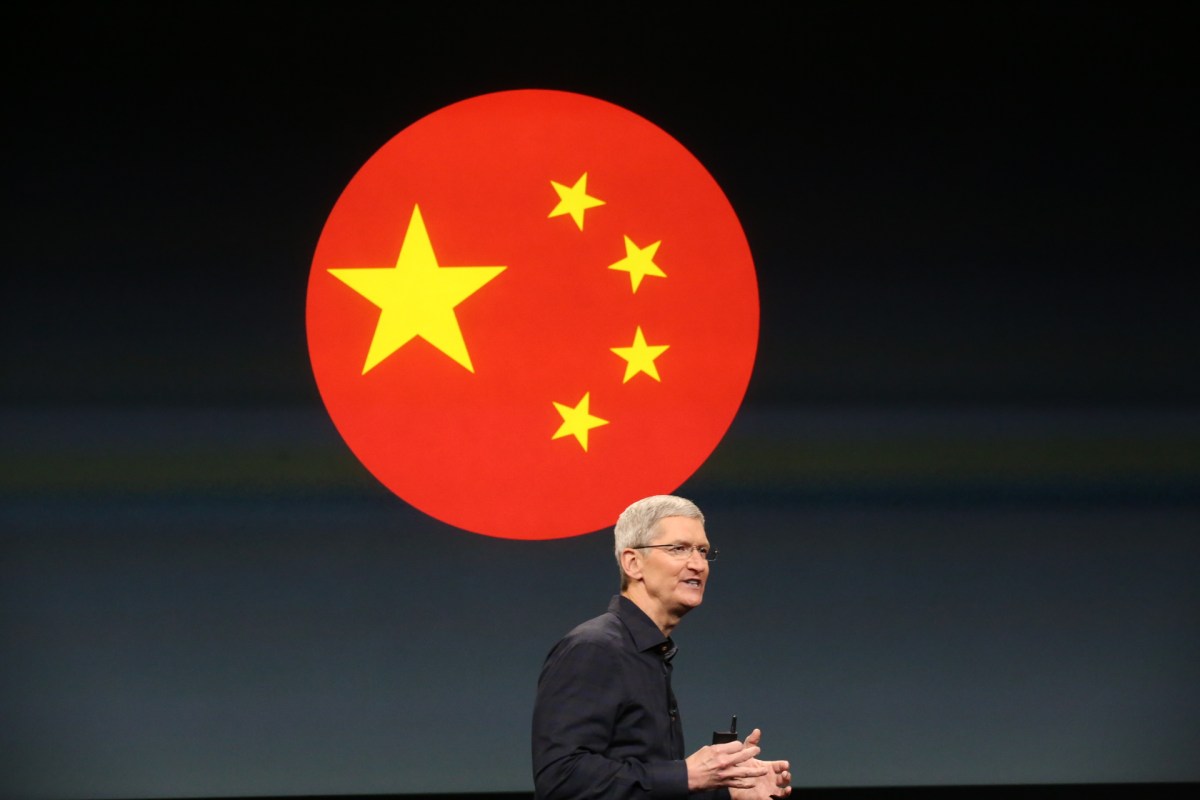
Apple has won approval to bring Apple Intelligence to China, Reuters reported, giving the iPhone maker a path to offer its generative AI tools in one of its most important markets. For everyday investors, the development matters because Apple’s AI rollout has been uneven globally, and China remains a major revenue driver for the company.
Reuters reported Wednesday that the Cyberspace Administration of China, the country’s internet content regulator, approved Apple’s AI services after Apple reached a deal to use Alibaba’s Qwen AI model inside its software. The integration is set to cover Apple operating systems including iOS, iPadOS, macOS and visionOS, according to the report.
Apple Intelligence is Apple’s generative AI product, meaning software that can help interpret or create content such as text and images. Alibaba told CNBC that Qwen would be “integrated into Apple Intelligence experiences,” and said the work would include AI capabilities such as “text and image understanding and generation.” Alibaba did not give a launch date, according to CNBC.
Baidu is also involved
Baidu is part of Apple’s China AI effort as well. A Baidu spokesperson confirmed to TechCrunch on Wednesday evening that the company is working with Apple on Apple Intelligence features for Chinese users.
The Baidu partnership had previously been reported, though Reuters also reported in December that Apple had run into challenges adapting Baidu’s models for users in China. Baidu’s latest confirmation indicates that the work between the two companies is still active.
Apple had also explored using DeepSeek and models from ByteDance, according to earlier reports cited by TechCrunch. Those efforts, along with the technical and regulatory work needed for China, contributed to delays in bringing Apple Intelligence to the country after the product first debuted in 2024.
Why China approval matters for Apple
China is not just another geography for Apple. In its fiscal second quarter, Apple generated $20.5 billion in sales from Greater China, CNBC reported, a 28% increase from the same period a year earlier.
Apple also recently returned to the No. 2 spot in China’s smartphone market, according to a Yahoo Finance report, after discounts on iPhones during a shopping festival helped lift demand. Adding Apple Intelligence could give the company more feature parity with AI-enabled phones sold in China, though the approval itself does not guarantee how consumers will respond.
The mechanics are straightforward: China requires AI services to meet local regulatory requirements, and foreign tech companies often need domestic partners to operate advanced digital services there. By using Alibaba’s Qwen model, and by working with Baidu on local features, Apple is aligning Apple Intelligence with Chinese infrastructure and regulatory expectations.
For Apple, the approval removes a major barrier to offering its AI features to Chinese customers. For Alibaba and Baidu, the partnerships place their AI technology inside Apple’s ecosystem in China, a high-profile use case for domestic models.
Apple has not provided a public timetable in the reported announcements. Until it does, investors have a confirmed regulatory step and named local partners, but not a precise schedule for when Chinese iPhone, iPad, Mac or Vision Pro users will get the features.
This story draws on original reporting from TechCrunch.