Staying in gets pricier as streaming and gaming costs rise
Price increases across games, devices, streaming and power are making home entertainment feel less cheap for U.S. consumers.
By Sofia Marchetti · Columnist
· 4 min read
Home entertainment is no longer the easy budget escape it used to be for many U.S. households. For retail investors, that matters because companies from Netflix and Apple to Microsoft and Spotify are testing how much more consumers will pay before they cut back.
CNBC reported that consumers are feeling a new version of “funflation,” a term used for rising prices tied to leisure spending. The pressure first showed up in live events such as concerts and sports after pandemic lockdowns, but it is now reaching streaming, video games and the devices people use at home.
Data analyzed for CNBC by PNC Financial Services showed the average consumer reduced home-entertainment spending activity in June compared with a year earlier. The pullback was sharper among younger consumers: Gen Z and millennials each reduced transactions by about 4%, according to PNC.
“Funflation is back in 2026,” Brian LeBlanc, senior economist at PNC, told CNBC. He said PNC is seeing the pressure in travel, entertainment and concerts, and now in home leisure as well.
Gaming hardware is getting more expensive
In late June, Microsoft’s Xbox business and Apple announced price increases for devices, CNBC reported. Apple described its increase in a statement as “not welcome news.” In May, Nintendo said it was raising the U.S. price of the Switch 2 by 11%.
The companies cited higher component costs tied to an artificial-intelligence-driven shortage in memory chips. Memory chips store data in devices, and stronger demand from AI systems can push up costs for other products that use the same parts.
Deborah Weinswig, founder of Coresight Research, told CNBC that some of the increases could push certain consumers out of the market. Xbox CEO Asha Sharma also said in recent interviews that gaming is becoming unaffordable and that Microsoft will focus on lower-cost consoles.
“We’ve reached a point where it will be hard to imagine that mass audiences can afford thousands of dollars to spend on a console generation,” Sharma said at a Fortune event last month. CNBC also reported that Microsoft this week announced thousands of layoffs in its Xbox unit and plans to spin off several gaming studios.
Elizabeth Renter, senior economist at NerdWallet, told CNBC that computers and related devices had generally become cheaper over time after adjusting for inflation and performance, as manufacturing became more efficient. She said that trend has started to reverse as component costs rise.
Subscriptions and power bills add to the squeeze
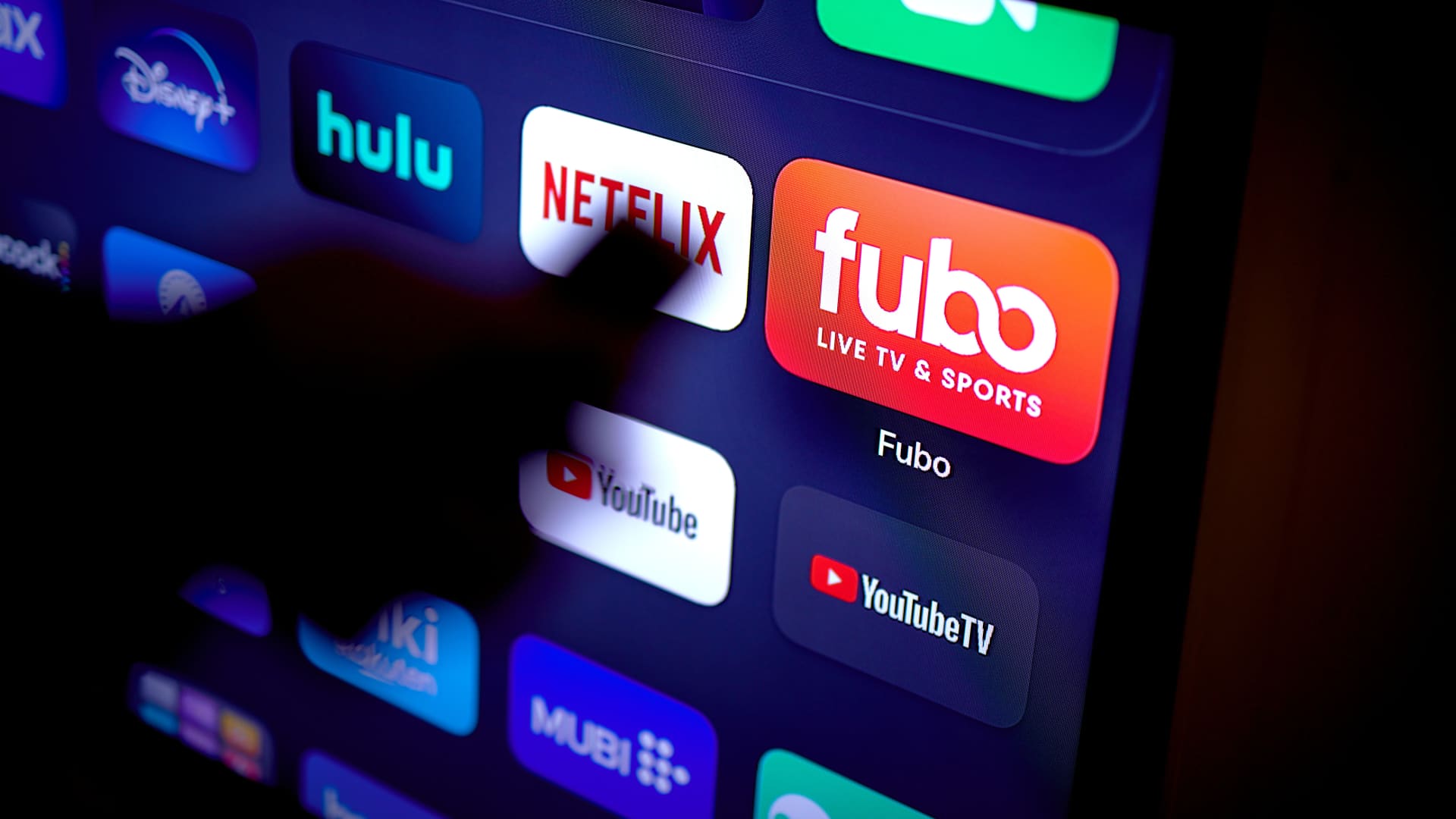
The price pressure is not limited to hardware. Netflix, Amazon and Spotify announced subscription increases earlier this year, following similar moves by Disney and Warner Bros. Discovery’s HBO Max in late 2025, CNBC reported. Apple raised the price of TV+ in mid-2025, its third increase in three years.
That pattern has been called “streamflation,” meaning recurring price increases for streaming services. Fiona Williams, a 40-year-old project manager in Akron, Ohio, told CNBC she rotates subscriptions and avoids keeping more than one at a time because the cost has become too high.
U.S. Bureau of Labor Statistics data cited by CNBC showed the consumer price index for video and video game rentals and subscriptions rose 53.1% from January 2019 to June 2026. TV services rose 26.8%, recorded music and music subscriptions rose 14%, overall recreation rose 19.7%, while recreational books fell 3.7%.
Electricity has also become a bigger part of the staying-home bill. Government data cited by CNBC showed electricity prices up 44.8% since 2019, partly tied to supply shocks from Russia’s 2022 invasion of Ukraine and the 2026 war with Iran.
PNC’s analysis also found renewed inflation pressure in out-of-home categories such as sporting events and amusement parks. Those service categories are feeding into the core personal consumption expenditures price index, a measure of inflation that strips out food and energy and is closely watched by Federal Reserve policymakers, according to CNBC.
TicketData said this year’s FIFA World Cup, co-hosted by the U.S., has a median ticket price above $900. FIFA President Gianni Infantino told CNBC that attending a match in the U.S. was a “once-in-a-lifetime opportunity” and said demand is far above prior tournaments.
For consumers, the issue is bigger than one subscription or one console. Alyx Green, a 31-year-old Illinois graduate student, told CNBC that higher game prices have pushed them toward cheaper titles, board games, card games or watching others play on YouTube. “The price has been going up,” Green said. “It’s just hard to keep up.”
This story draws on original reporting from CNBC.