Trump calls Iran pact ‘unconditional surrender’ as Hormuz reopens
The interim U.S.-Iran agreement starts 60 days of talks and reopens the Strait of Hormuz after months of conflict that shook energy markets.
By Maya Okafor · Markets Writer
· 3 min read
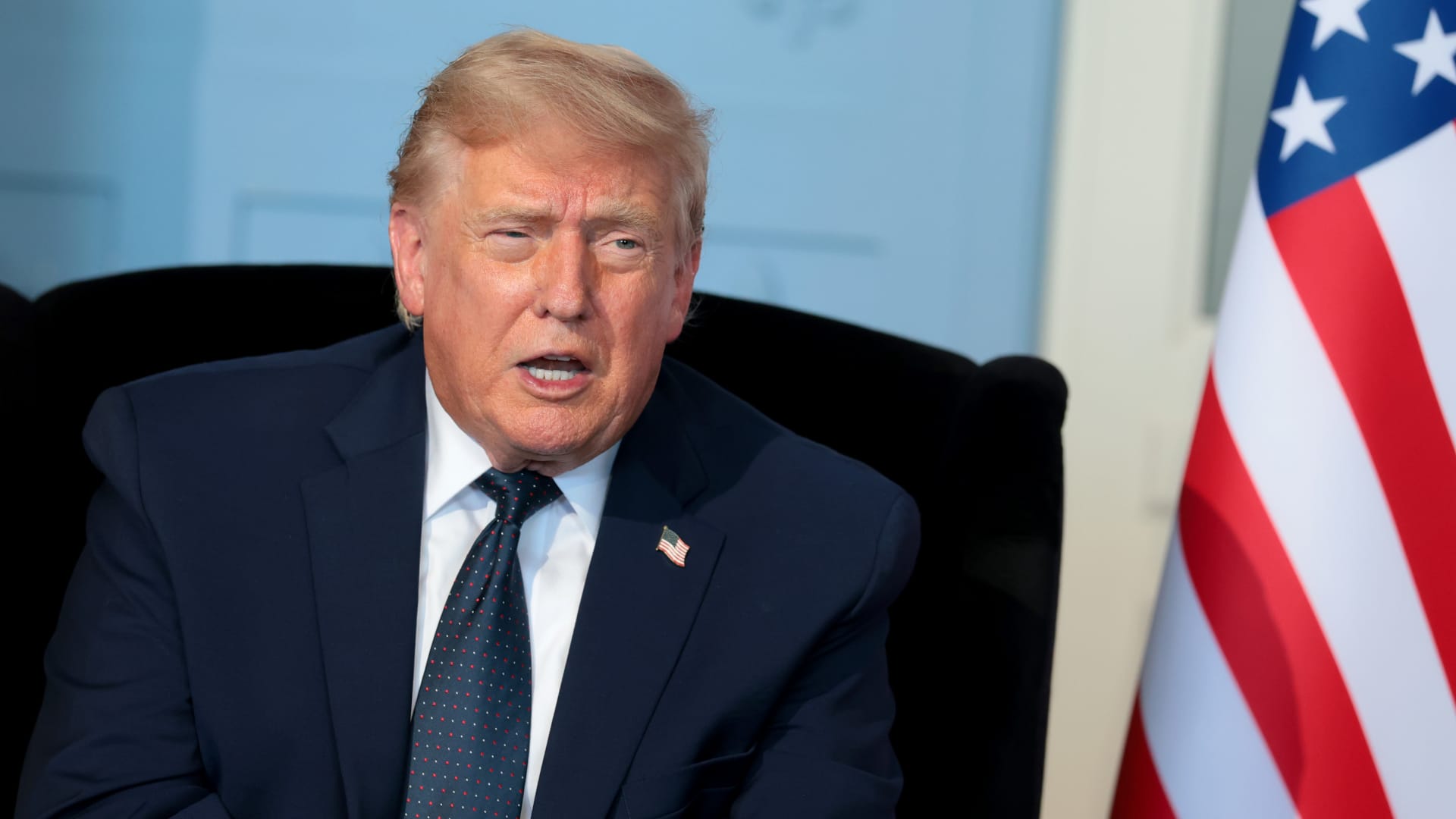
President Donald Trump said the new U.S.-Iran agreement amounts to "unconditional surrender" by Tehran, according to Axios, as the deal begins a 60-day push toward a final settlement. For everyday investors, the market link is oil: the agreement reopens the Strait of Hormuz, a critical route for cargo ships and tankers after a shutdown that rattled global energy markets.
The U.S. and Iran signed the agreement on Thursday after three and a half months of conflict, CNBC reported. Trump told Axios that he negotiated the deal to keep the war from causing a global economic depression.
The agreement is a memorandum of understanding, meaning an interim written framework rather than a final treaty. According to CNBC, it includes a 60-day period for more talks, the reopening of the Strait of Hormuz and a framework for nuclear negotiations. Several major details remain unsettled and are due to be addressed in later discussions.
Asked by Axios what the war had taught him about limits on his presidential authority, Trump said, "I haven’t learned that lesson yet. I know there are, but there are no limits."
Shipping begins to move again
Traffic through the Strait of Hormuz started to recover as the agreement took effect, CNBC reported. The strait is a narrow maritime passage, so a closure can quickly affect shipping schedules and energy-market expectations because tankers and cargo ships have fewer easy alternatives.
Maritime intelligence firm Windward said at least 18 vessel transits were recorded across the June 17 to June 18 period. Windward said that was the highest count for a comparable period since the conflict began.
U.S. Central Command said Thursday that American forces had ended blockade enforcement for ships entering and leaving Iranian coastal areas. In a social media post, CENTCOM said, "All U.S. military blockade enforcement efforts have ceased," while adding that U.S. naval forces would stay in the broader area to help ensure the agreement is followed.
Talks face an early logistics delay
A White House spokesperson said Vice President JD Vance canceled a planned Friday trip to Switzerland, where he had been expected to open the 60-day negotiations with Iranian officials, citing logistics.
"The plans for the upcoming technical talks have not been finalized, and the U.S. delegation has been prepared to depart at the first available opportunity. But the logistics of these negotiations have never been simple or predictable," the spokesperson said, according to CNBC.
Lawmakers criticize the terms
The interim deal drew criticism from lawmakers who said Trump did not secure enough from Iran, CNBC reported. Senate Minority Leader Chuck Schumer, D-N.Y., told reporters that Trump did a "very poor job of negotiating" and said the U.S. was in a weaker position than before the war.
"This will be regarded as one of the biggest American disasters, and it’s because Trump started this war," Schumer said, according to NBC News.
Sen. Peter Welch, D-Vt., said Iran still had leverage because of its control over the Strait of Hormuz. Welch also said the conflict did not achieve key goals, including regime change and the end of Iran’s missile and nuclear program. He estimated the war cost $100 billion and called the outcome "a failure," NBC News reported.
Trump rejected claims that he was too soft on Tehran. CNBC reported that he said critics taking that view were "jealous, bad people or stupid." In the Axios interview, Trump also questioned what more weeks of bombardment would have accomplished while the strait remained closed, saying, "This is the kind of thing that could cause a worldwide depression."
This story draws on original reporting from CNBC.