US housing starts fell in October as multifamily building slowed
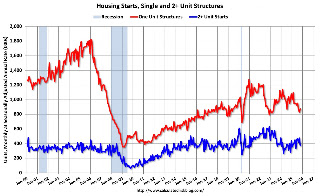
New home construction dropped to a 1.246 million annual pace in October, while single-family starts rose from September, Census Bureau data showed.
By Sofia Marchetti · Columnist
· 3 min read
US homebuilding slowed in October, a sign that housing supply is still under pressure even as single-family construction improved. For retail investors, the data feeds into several market lanes at once: homebuilders, building-material suppliers, mortgage lenders and the broader read on consumer demand.
The Census Bureau said privately owned housing starts ran at a seasonally adjusted annual rate of 1.246 million in October. A seasonally adjusted annual rate takes one month of activity, adjusts for normal seasonal swings, and expresses it as if that pace continued for a full year.
That total was 4.6% below the revised September rate of 1.306 million and 7.8% below the October 2024 pace of 1.352 million, according to the Census Bureau’s new residential construction report.
Single-family starts rose, but the total still fell
The headline decline was not evenly spread across the market. Single-family housing starts increased to an annual rate of 874,000 in October, up 5.4% from September’s revised 829,000, the Census Bureau said.
Single-family starts were still 7.8% lower than a year earlier, according to the housing data cited in the report. That mix matters because single-family construction is closely watched as a gauge of builder confidence and future supply for owner-occupied homes.
Multifamily construction moved the other way. The Census Bureau said starts for buildings with five units or more came in at a 347,000 annual rate in October. Housing-market analysis accompanying the data noted that multifamily starts declined from September and were down 7.9% from a year earlier.
For investors, starts are an early-cycle housing indicator. A start means construction has begun, so the number can affect expectations for future sales of lumber, concrete, appliances, fixtures and labor demand. It also gives a read on whether builders are adding supply into a market still shaped by mortgage rates and affordability constraints.
Permits were little changed
Building permits, which are government authorizations to begin construction and often act as a look-ahead indicator, were steadier than starts. The Census Bureau said privately owned housing units authorized by permits ran at a seasonally adjusted annual rate of 1.412 million in October.
That was 0.2% below September’s revised 1.415 million rate and 1.1% below the October 2024 rate of 1.428 million.
Single-family permits were issued at an 876,000 annual rate in October, down 0.5% from September’s revised 880,000, according to the Census Bureau. Permits for units in buildings with five or more apartments were at a 481,000 annual rate.
The split between starts and permits gives a more nuanced picture than the headline number alone. Starts show what builders actually began in October. Permits show what builders were preparing to begin, subject to financing, demand and construction conditions.
The October starts figure came in below expectations, according to the housing analysis accompanying the data. The same analysis noted that November housing data was still unavailable because of the government shutdown, leaving investors without the next month of official confirmation.
This story draws on original reporting from Calculated Risk.