Animal Spirits lines up bullish market case with AI and debt debates
The latest Animal Spirits episode centers on bullish investing arguments while flagging AI, private credit, household debt and consumer spending pressure.
By Priya Nair · Economy Reporter
· 3 min read
Animal Spirits put the bull case for markets at the center of its latest episode, while also pointing listeners to pressure points that can hit real portfolios: valuations, private-market markdowns, household debt and the AI trade. For everyday investors, the mix is a reminder that market optimism usually sits next to risks that show up in earnings, borrowing costs and consumer behavior.
The episode, titled “10 Reasons to be Bullish,” was sponsored by Pacer ETFs, according to the show notes from A Wealth of Common Sense. The discussion list opened with a Chart Kid Matt post called “10 Reasons To Be Bullish,” then moved across public stocks, private markets, credit, consumer finance and entertainment.
The market-focused reading list included a Korea JoongAng Daily report that Samsung signaled record chip profit ahead. That matters for investors watching artificial intelligence because advanced chips remain a key input for AI infrastructure, though the show notes did not provide Samsung’s figures or management commentary.
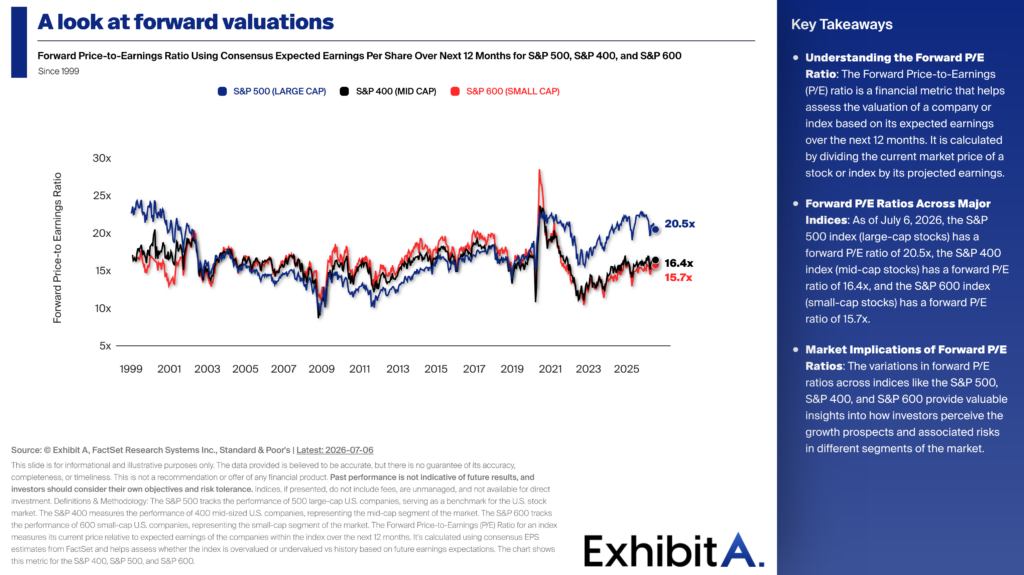
The episode also highlighted several valuation and earnings charts. The posted charts referenced forward profit margins, the Magnificent Seven’s market-cap weight since 2021, price-to-earnings ratios using consensus estimates, small-, mid- and large-cap earnings per share over the past 12 months, and the relationship between S&P 500 12-month forward earnings and total returns. A price-to-earnings ratio, or P/E, compares a stock or index price with expected profits, giving investors one way to judge how much they are paying for earnings.
Private markets were another major thread. The show linked to Bloomberg coverage on software markdowns at mutual funds as a signal of pressure in private markets, and to a Financial Times report on large investors committing billions to private credit despite turmoil. Private credit means lending done outside the traditional bank and public bond markets, often through funds that make loans directly to companies.
Consumer finance also featured in the episode’s reading list. Animal Spirits linked to an NBER Digest item on who ultimately pays credit card interchange fees. Interchange fees are the charges merchants pay when shoppers use cards, and the economics can matter for both business margins and consumer prices. The show also cited Bloomberg reporting that U.S. car payments reached a record $777 a month as down payments fell.
The episode’s broader consumer section included a New York Times story on $180,000 tech salaries no longer being enough in San Francisco, a Wall Street Journal report on brewers betting on smaller beer cans, and CNBC coverage that Yum Brands sold Pizza Hut to LongRange Capital and Yum China for $2.7 billion.
Prediction markets and gambling were also on the board. The notes linked to a Financial Times report that Spotify deleted streams of a chart-topping song after suspicious Kalshi bets, a Bloomberg Opinion piece titled “Untruth Machines,” and an Argument essay about ending what it described as a quarter-trillion-dollar gambling habit. A related post from Joey Politano said Americans are set to lose nearly $250 billion gambling this year, up more than 60% since 2019, before counting unofficial betting through prediction markets or crypto.
The show notes included a standard disclaimer that the blog does not provide investment advice or recommendations to buy or sell securities. They also said The Compound, an affiliate of Ritholtz Wealth Management, received compensation from the sponsor of the advertisement.
This story draws on original reporting from A Wealth of Common Sense.