Germany’s €1 trillion spending shift tests its fiscal credibility
Germany’s infrastructure and defence push could lift growth, but research suggests strict budget rules may decide how much stimulus works.
By Priya Nair · Economy Reporter
· 3 min read

Germany is moving from tight budget discipline toward a large spending push, a shift investors may read as a test of whether government borrowing can support growth without rattling bond markets. The plan totals €1 trillion over 10 years, split between €500 billion for infrastructure and €500 billion for defence, according to investment commentary from Klement on Investing.
That amount equals about 25% of German gross domestic product, or GDP, the broad measure of an economy’s annual output, according to the same commentary. Germany has historically been known for strict fiscal rules and low budget deficits compared with many other developed economies, which makes the scale of the program stand out.
For everyday investors, the key question is not only how much Berlin spends. It is how much extra growth each euro buys, and whether higher borrowing costs later eat into the benefit.
What Germany may get for the money
The German Council of Economic Experts reviewed the budget details and compared the planned spending with what it called an “investment scenario,” according to Klement on Investing. In that best-case scenario, spending would be directed in the most growth-friendly way.
The council’s work found that roughly half of the planned stimulus would not deliver the maximum possible growth impact, according to the commentary. The drag comes from items described as accounting maneuvers and government consumption that does not raise long-term growth.
Even with that leakage, the council’s analysis points to a meaningful economic effect. Germany could see GDP growth lifted by about 6.5 percentage points over seven years, or close to one extra percentage point of growth per year, according to the commentary’s summary of the council’s findings.
Fiscal stimulus means government action, usually spending increases or tax cuts, aimed at lifting demand in the economy. Infrastructure spending can add demand immediately through construction and contracts, then potentially raise productivity later if transport, energy or digital systems improve. Defence spending can also support output through procurement and hiring, though its long-term growth effect depends on what is purchased and produced.
Why budget rules may shape the payoff
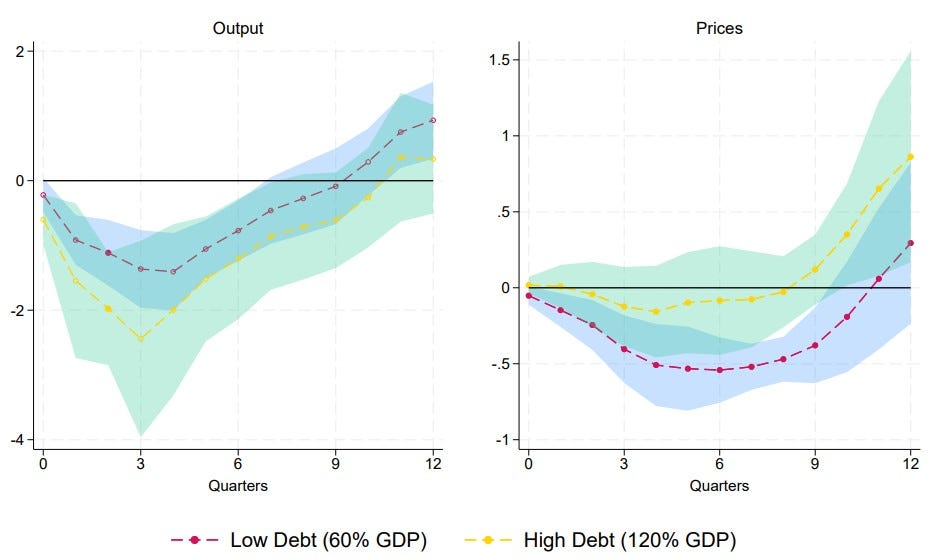
A separate study by Anna Sznajderska and colleagues examined fiscal stimulus across the European Union during the pandemic and the recession that followed, according to Klement on Investing. The researchers focused on the fiscal multiplier, which means the amount of economic growth generated by one euro of government stimulus.
The study found that countries with stricter fiscal rules tended to get a stronger growth response from stimulus than countries with weaker rules, according to the commentary. Germany, Italy and the Netherlands were cited as examples of countries with stricter rules.
The mechanism is straightforward. If investors believe a government will bring deficits down after a spending surge, they may demand less extra yield to hold that country’s bonds. A bond yield is the return investors require for lending money to a government or company.
Lower yields matter because governments with cheaper borrowing costs spend less on interest in later years. That leaves more of the original stimulus available to support the economy rather than being offset by higher debt-service bills.
The research adds a warning for countries considering German-style spending on infrastructure and defence. The same fiscal impulse can have different effects depending on whether investors trust the country’s budget framework, according to Sznajderska and colleagues’ findings as described by Klement on Investing.
This story draws on original reporting from Klement on Investing.