Lululemon joins $30 million round for nylon recycler Syntetica
The French startup plans to turn hard-to-sort nylon waste into pellets for apparel supply chains, with backing from Lululemon and Bpifrance.
By Theo Nakamura · Staff Writer
· 3 min read
Lululemon has invested in Syntetica’s $30 million Series A, putting more capital behind textile recycling as apparel brands look for alternatives to petroleum-based materials. For investors watching consumer brands, the deal shows how supply-chain risk and sustainability goals are pushing fashion companies deeper into materials technology.
Syntetica is a French startup focused on recycling nylon, a synthetic fabric widely used in apparel because it is durable and flexible. CEO Marco Bertone told TechCrunch the company’s process targets Nylon 6 and Nylon 6,6, two common forms of nylon that are difficult to separate once they show up together in post-consumer textile waste.
A Series A is an early venture funding round usually meant to help a startup move from proof of concept toward commercial scale. In Syntetica’s case, Bertone said the money will go toward proving the company can produce hundreds of tons of recycled nylon pellets each year for clothing supply chains.
Why apparel brands are paying attention
The fashion industry faces pressure over clothing waste, with large volumes of garments ending up in landfills each year. TechCrunch reported that customer perception is one reason premium apparel companies are investing in circularity, meaning systems that reuse materials instead of sending them to waste.
Bertone also pointed to two practical forces: regulation and raw-material pricing. He told TechCrunch that turmoil tied to the oil industry has led some nylon buyers to renegotiate prices quarterly or even weekly over the past six months. Since conventional nylon comes from petroleum-based inputs, price swings in that market can feed into apparel production costs.
Syntetica is trying to meet brands on cost, according to Bertone. He said the company was built around the idea that recycled materials need to compete on price and scale, rather than rely on customers paying extra for a greener option.
What Syntetica plans to make
Syntetica does not plan to manufacture fabric or introduce a new textile. Its recycling process is designed to produce pellets, which other companies can turn into yarn and then into finished apparel.
The company already has partners across the apparel chain, according to TechCrunch. Along with Lululemon, its brand partners include Victoria’s Secret and Etam, and Bertone said a recycling project could reach the market early next year. MAS Holdings, a major apparel manufacturer, also backed the round.
Before the Series A, Syntetica announced a partnership with Michelin’s Centre for Sustainable Materials to create a commercial demonstration facility in Clermont-Ferrand, France, Michelin’s hometown.
The round was led by the Ecotechnologies 2 fund, managed by the Green Venture team at Bpifrance, France’s public investment bank, as part of the France 2030 plan. Syntetica has also received support from the European Innovation Council through equity, grants and an accelerator program. Private backers include EQT Ventures, SWEN Capital Partners and family offices.
The team and the competition
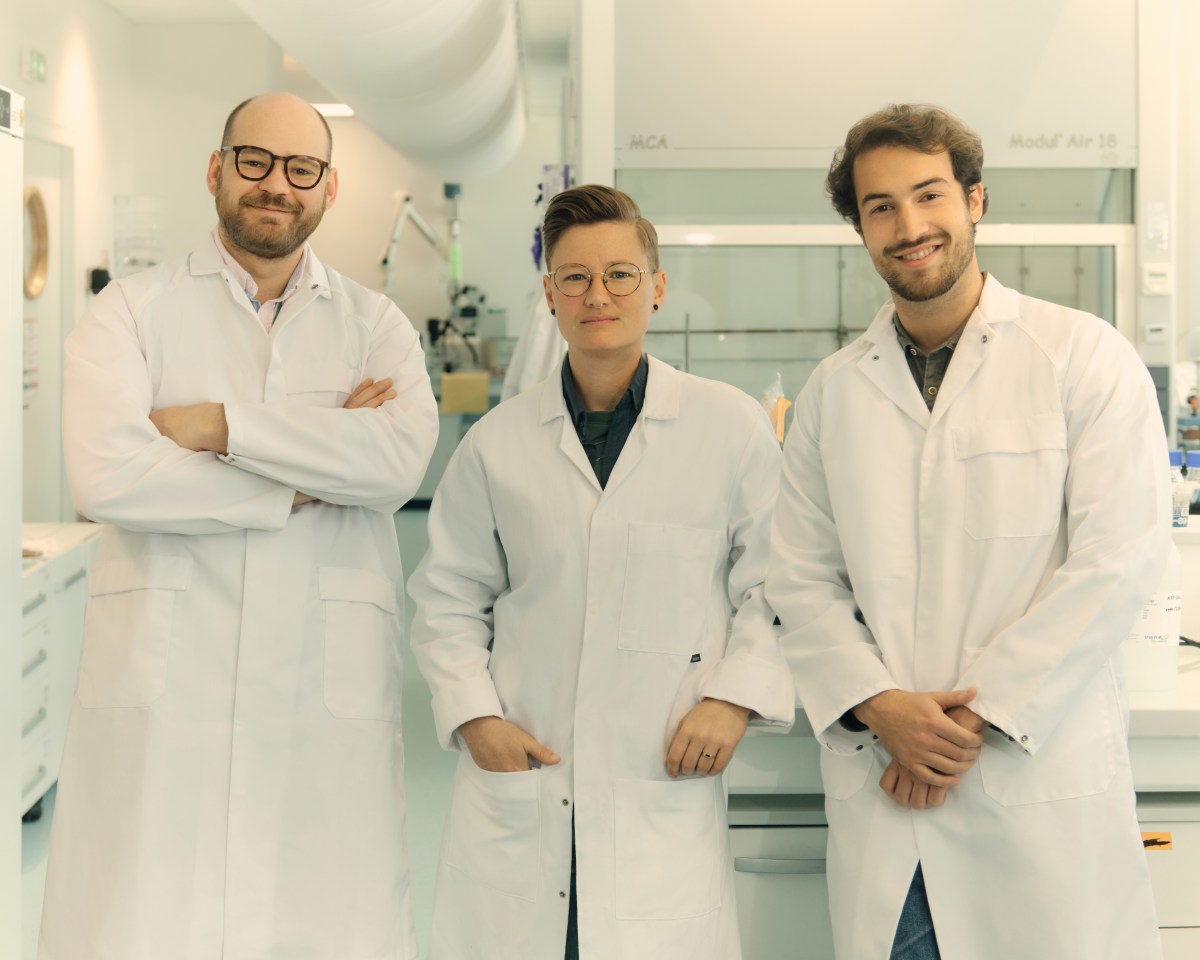
Bertone came to Syntetica with a background in fashion and second-hand e-commerce. He teamed up with chemistry researcher Louis Monsigny through Entrepreneur First’s accelerator at Station F in Paris, and the pair later worked from an AgroParisTech lab in Reims. The company has since hired Ash Ward, a former Northvolt employee, as chief technology officer. Northvolt co-founder Peter Carlsson is an adviser to Syntetica.
Syntetica is not alone in trying to solve nylon recycling. TechCrunch noted competitors using enzyme-based methods to break down plastics, as well as BASF, which has developed recycled nylon. Lululemon has also backed other textile recycling startups, including Epoch Biodesign and Samsara Eco.
Bertone said Syntetica may later recycle other materials or serve other industries. For now, the company is focused on nylon and, if it scales, building facilities near sources of textile waste and apparel production.
This story draws on original reporting from TechCrunch.