NTSB says Tesla driver overrode FSD before fatal Texas crash
Federal investigators said vehicle data showed the accelerator was fully pressed before a Tesla hit a Katy, Texas, home, killing a resident.
By Theo Nakamura · Staff Writer
· 3 min read
The National Transportation Safety Board said Wednesday that data from a Tesla involved in a fatal Texas crash showed the driver fully pressed the accelerator, overriding the car’s Full Self-Driving (Supervised) system. For Tesla investors, the finding is relevant because crashes involving driver-assistance tech can shape legal risk, regulatory scrutiny and public trust in one of the company’s most closely watched products.
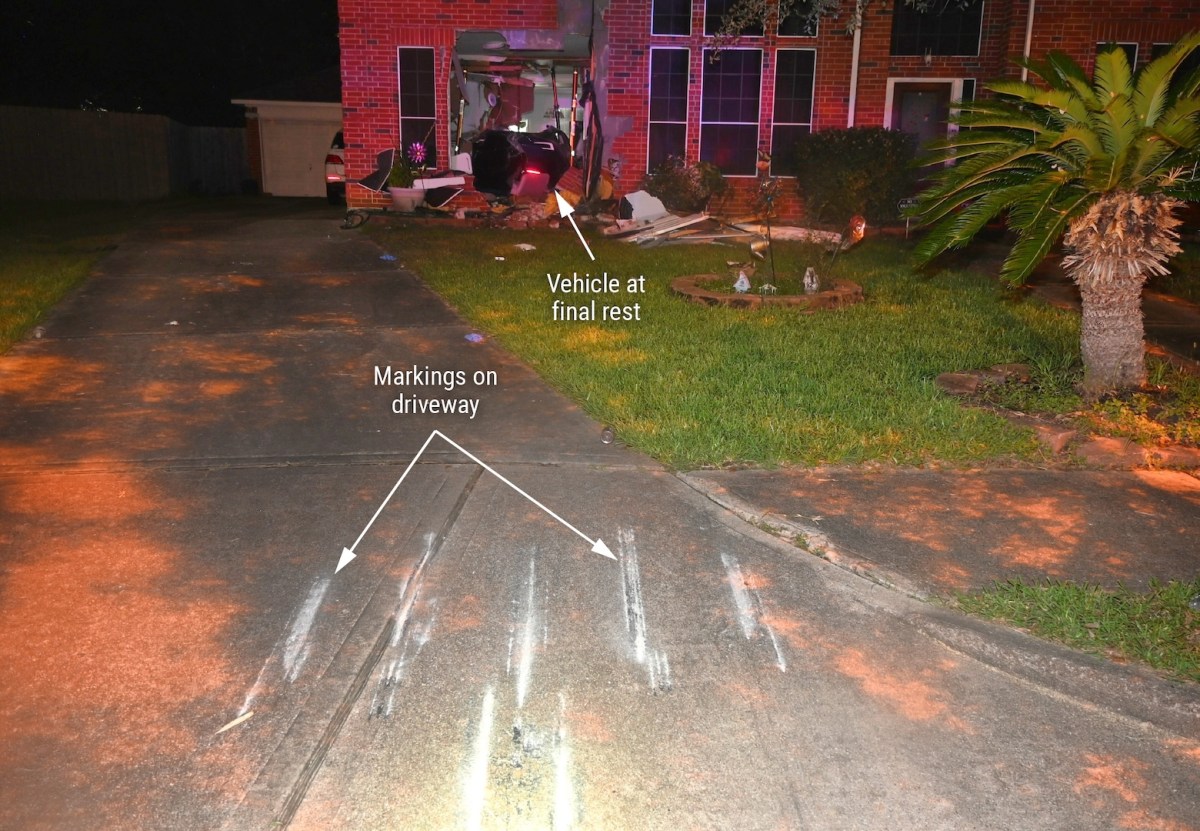
The NTSB said the Tesla was traveling more than 70 miles per hour when it hit a house in Katy, Texas, in June. The crash killed 76-year-old resident Martha Avila, according to the agency.
Full Self-Driving (Supervised), often called FSD, is Tesla’s advanced driver-assistance software. It can handle some driving tasks, but Tesla says drivers must keep watching the road and be ready to take control at any time. The NTSB’s preliminary information said the accelerator pedal was pressed to 100%, which overrode the software before the crash.
What investigators said happened
The NTSB said the driver, identified as 44-year-old Michael Butler, was using Full Self-Driving (Supervised) on Rose Hollow Lane before the crash. The agency described the road as a residential two-lane street with a 30 mile-per-hour speed limit.
Security video obtained by the NTSB showed the Tesla moving faster through an intersection, leaving the roadway and striking the house, according to the agency. The NTSB said weather was clear, the pavement was dry and the crash happened in daylight conditions.
The NTSB released the information in a preliminary update on its investigation. A preliminary report is an early account of evidence gathered so far, not a final finding of probable cause. The National Highway Traffic Safety Administration, the federal agency that regulates vehicle safety, is also investigating the incident, according to the NTSB update.
Legal and regulatory fallout
Avila’s family has sued Butler and Tesla, alleging negligence, according to the report. Butler has also been charged with manslaughter.
Butler allegedly told authorities that he had “passed out” and that he was using Tesla’s driver-assistance system. Local ABC affiliate KTRK TV reported that police found Google searches that included “Tesla FSD not aggressive enough 2026,” “Tesla not aggressive enough” and “Tesla FSD too timid.”
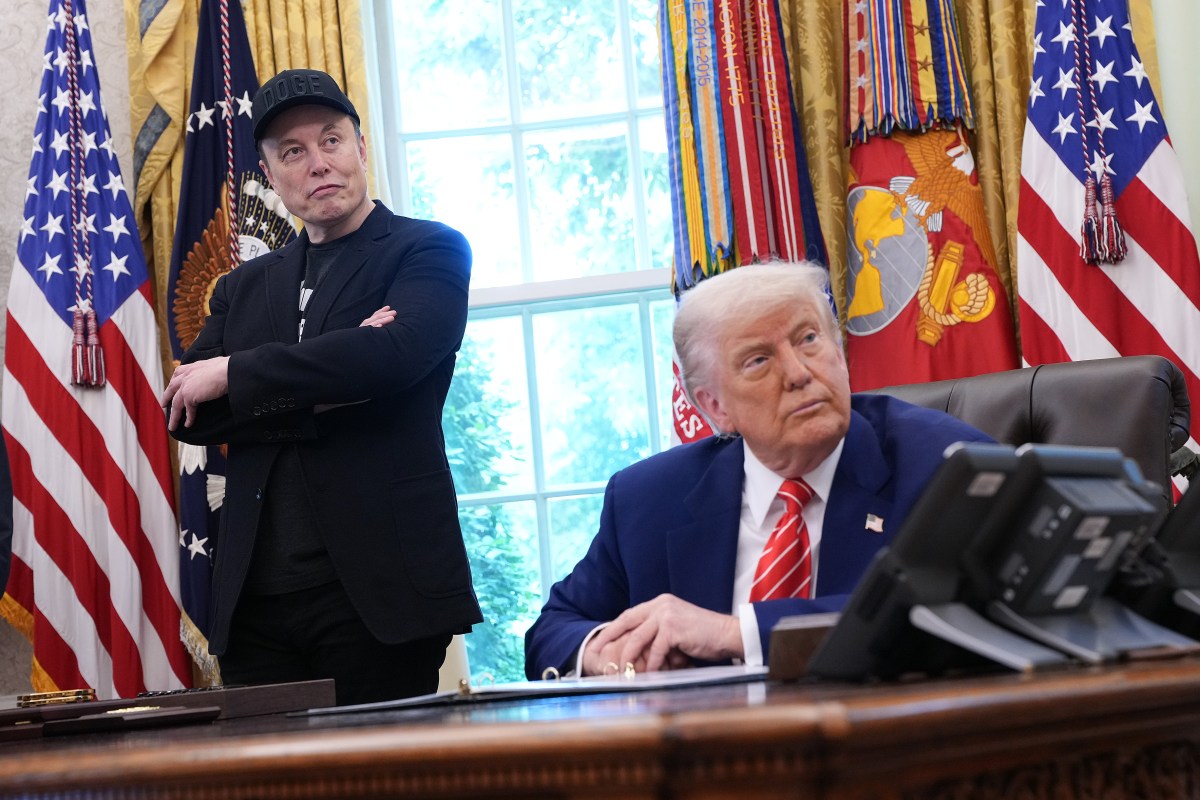
The NTSB’s data lines up with Tesla’s account of the crash, which the company shared soon after the incident as it pushed back against the idea that its driver-assistance software caused the collision. Tesla CEO Elon Musk wrote on X after the crash: “This [allegation] makes no sense. FSD drives slowly through neighborhood streets and this was a high speed crash!”
The case now sits at the intersection of vehicle data, driver responsibility and software oversight. For Tesla, the distinction matters: if investigators conclude a human driver overrode the system, that is different from finding that the software made the vehicle accelerate into the home. The NTSB has not issued a final probable-cause determination.
This story draws on original reporting from TechCrunch.