United beats estimates as fuel bill threatens 2026 profit
United topped second-quarter forecasts, but higher jet fuel prices tied to U.S.-Iran conflict are pressuring margins and its near-term outlook.
By Dev Ramirez · Crypto Correspondent
· 3 min read
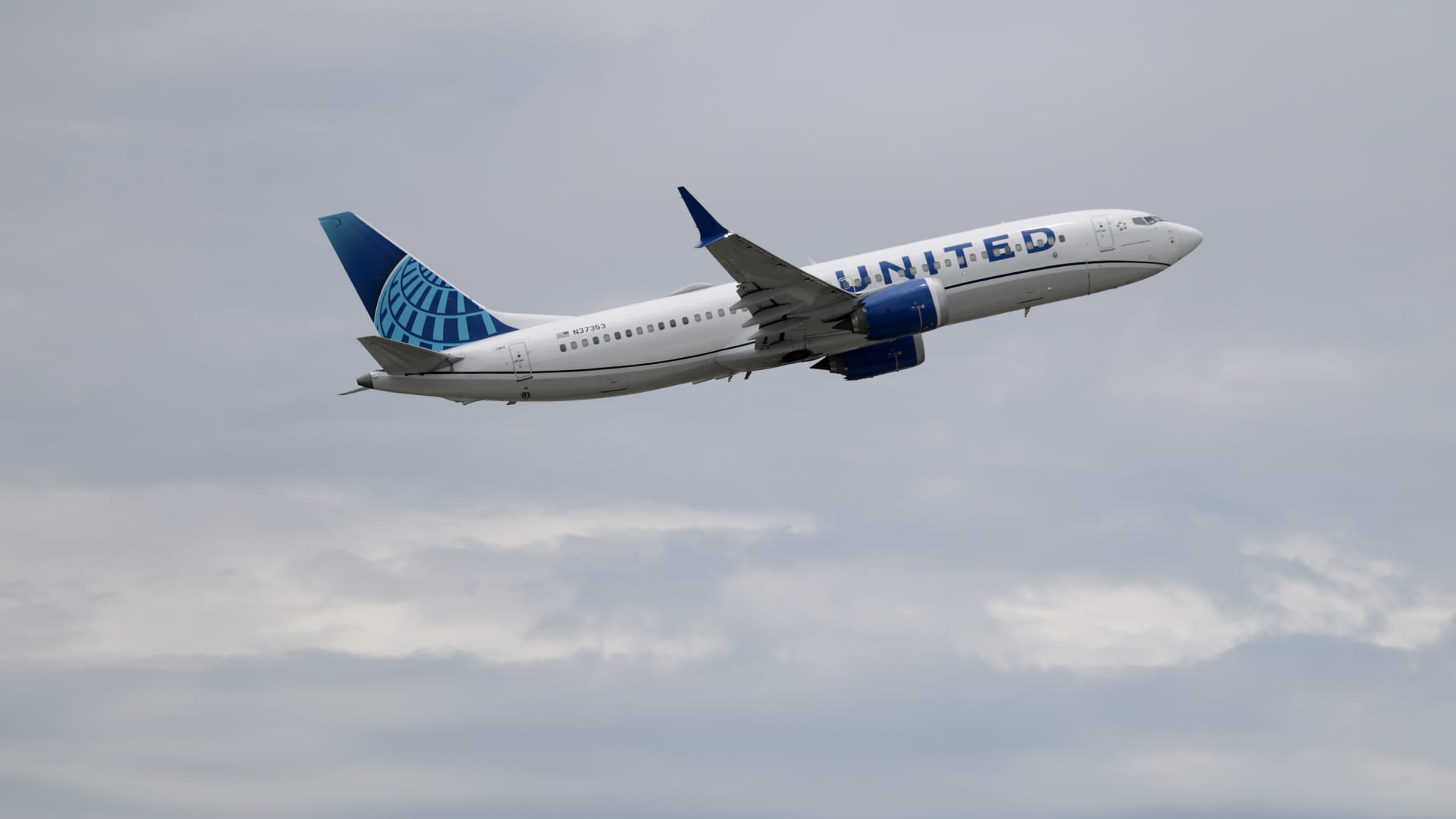
United Airlines beat second-quarter profit and sales estimates, but the bigger signal for investors was fuel: the airline said higher jet fuel prices could add nearly $6 billion to its costs this year versus its expectations at the start of 2026. For a carrier, fuel is the largest expense after labor, so a sharp price move can quickly eat into earnings even when planes are full and fares are rising.
For the quarter ended June 30, United reported adjusted earnings per share of $1.99, above the $1.88 expected by analysts, according to estimates compiled by LSEG. Revenue came in at $17.67 billion, slightly ahead of the $17.61 billion analysts expected.
Adjusted earnings per share, or adjusted EPS, is profit per share after removing certain items the company does not treat as part of normal operations. United said adjusted net income was $649 million for the quarter. On a standard accounting basis, net income fell more than 17% from a year earlier to $805 million, or $2.46 per share.
United’s revenue rose 16% from a year earlier. The airline said second-quarter flying capacity expanded 3.5%, while total unit revenue rose 12.1%. Unit revenue is a key airline measure that compares sales with capacity, helping investors see whether an airline is earning more from each seat-mile it makes available. FactSet said that was United’s strongest unit revenue growth since early 2023.
Fuel costs reshape the outlook
United projected third-quarter adjusted EPS of $2.50 to $3.50, below the $3.60 analysts were expecting. For the full year, the airline forecast adjusted EPS of $9 to $11. That sits at the high end of the $7 to $11 range United gave in April, when it lowered its January outlook after the U.S. and Israel attacked Iran in late February.
Jet fuel prices at major U.S. airports have climbed 34% in July through Tuesday, according to Argus data published by the industry group Airlines for America. CNBC reported the move came amid repeated escalation and de-escalation in the conflict between the U.S. and Iran.
United said its second-quarter fuel costs rose 84% from a year earlier to $2.3 billion. The company said its latest cost estimates were based on Tuesday’s fuel prices, reflecting how volatile the market has become.
The airline said fuel price changes since the start of July have reduced expected third-quarter adjusted earnings by $1.12 per share. United also said in a filing that it could cut capacity plans further this year because of higher fuel costs.
Customers are still booking
United said travelers continue to book flights despite higher fares. The airline reported higher revenue from premium tickets, corporate travel and basic economy, its no-frills fare class. It also said unit revenue improved on both domestic and international routes.
United said it expects to cover as much as 90% of its higher costs this quarter and all of them in the fourth quarter. Rival Delta Air Lines has also said it is passing more of its fuel cost increases on to customers, and both airlines said demand has remained strong despite higher prices.
United executives are scheduled to discuss the results on an earnings call Thursday at 10:30 a.m. ET.
This story draws on original reporting from CNBC.