Senra raises $65 million to modernize wire harness manufacturing
The startup founded by a former SpaceX engineer is using software and automation to improve a stubbornly manual part of aerospace and defense manufacturing.
By Theo Nakamura · Staff Writer
· 3 min read
Senra, a startup building wire harnesses for advanced vehicles, has raised $65 million in Series B funding, TechCrunch reported. For everyday investors watching defense, space and U.S. manufacturing, the deal shows venture capital still flowing into the less glamorous parts of the industrial supply chain.
Wire harnesses are bundles of electrical wiring that carry power and signals through machines such as rockets, satellites, submarines, aircraft, cars and tractors. As vehicles add more sensors, computers and automated systems, those wiring systems become more complex and harder to build without errors.
Senra was founded in 2023 by Jordan Black, a former SpaceX engineer, and Benjamin Shanahan. Black previously worked on scaling wire harness production for Starship, SpaceX’s next-generation rocket, according to TechCrunch.
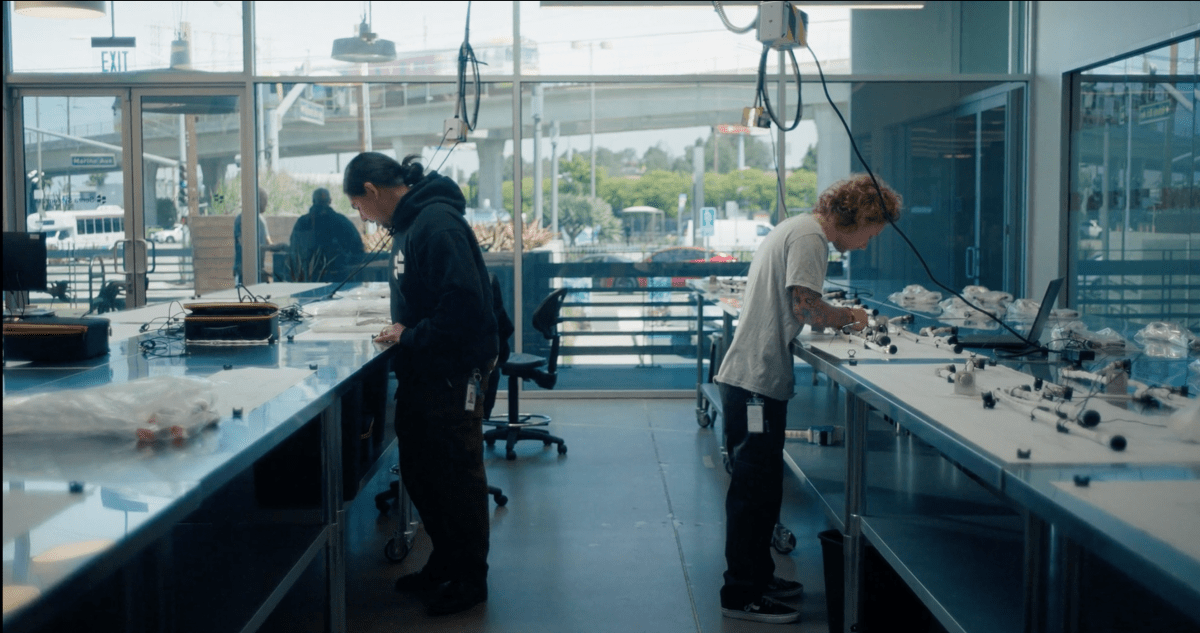
Black told TechCrunch he visited wire harness manufacturers around the world while at SpaceX and found a process still centered on wooden tables and manual work. The challenge Senra is trying to solve is not that wiring is unimportant. It is that it remains highly customized and labor-intensive, even inside some of the world’s most advanced machines.
Who backed the round
The Series B was co-led by Lowercarbon and Interlagos, according to TechCrunch. The round also included General Catalyst, Sequoia Capital, Andreessen Horowitz and Founders Fund, among other investors.
Senra’s pitch lands in a market where investors have been paying closer attention to U.S. manufacturing capacity, especially companies tied to the defense industrial base. That phrase refers to the network of businesses that supply military equipment, components and services.
Black did not name Senra’s customers, TechCrunch reported. He said they include companies building products ranging from submarines and maritime vehicles to land-based defense systems, launch vehicles and satellites.
Software before robots
Senra is not trying to remove technicians from the process right away, according to TechCrunch. Black said robots still struggle with wire handling, and the training data needed to automate the work is limited.
Instead, the company is using software and targeted automation to make human-led production more consistent. Senra’s proprietary platform, called Amp, standardizes inputs during the wiring process and creates a digital twin, which is a virtual model used to guide technicians as they build.
Black told TechCrunch that keeping materials, engineering changes and production steps in one software system helps reduce the small mistakes that can cause bigger failures later. Senra trains its technicians through what Black described to TechCrunch as the only federally certified wire harness training program.
Aerospace companies have already seen how wiring issues can become expensive. In 2023, Boeing found that wiring inside its Starliner spacecraft had been secured with flammable tape, TechCrunch noted. The problem forced the company to redo the wiring system and delayed the spacecraft.
Production plans
Senra currently makes 1,000 wire harnesses per month across two factories, according to TechCrunch. The company plans to raise production to 10,000 per month in 2027.
Black framed Senra’s approach as similar to lessons from SpaceX: standardize the process first, then add automation where it works. For investors, that makes Senra part of a broader theme in private markets: funding companies that may not build the finished rocket, vehicle or satellite, but supply the components needed to produce them at scale.
This story draws on original reporting from TechCrunch.