Frequency pairs AI services plan with 1-for-500 reverse split
The OTC-listed company is trying to turn AI deployments into recurring products while its share count has been reset by a reverse split.
By Maya Okafor · Markets Writer
· 3 min read
Frequency Holdings Inc. is moving its AI work from customer testing toward commercial product packages, a shift retail investors may read alongside a newly effective 1-for-500 reverse stock split. For an OTC-listed company, the announcement puts two very different issues in view: a plan to build recurring revenue around AI services and a capital-structure change that mechanically reshapes the share base.
The company, which trades over the counter under FRQN and FRQND, said the reverse split of its common stock became effective July 9 after FINRA processing. A reverse split combines existing shares into fewer shares, in this case turning 500 pre-split shares into one post-split share. That can lift the quoted price per share by the same ratio, but it does not by itself change the underlying business.
Frequency is positioning its next commercial push around “managed intelligence,” an extension of the managed service provider, or MSP, model. MSPs typically handle outsourced technology work for businesses, including networks, computers, cloud systems, software and support tickets. Frequency’s version adds agentic AI, a term used for AI systems designed to complete multi-step work across software tools, along with cybersecurity and compliance controls.
The work is being run through ReachOut Digital Intelligence, Frequency’s wholly owned subsidiary. Over the past six months, Frequency said ReachOut has been building, testing and improving AI-based services in customer environments, with deployments aimed at cutting manual work, improving decisions and making operations more efficient.
Management expects the commercialization process to take another six to 12 months. During that period, Frequency plans to refine deployments, measure customer results, turn the work into standardized recurring-revenue packages and test pricing models.
Those models could include monthly fees per managed AI agent, monthly pricing for automated business processes, usage-based billing or pricing tied to measurable business results. Revenue from these services is expected to trail the development and productization cycle, so investors should not assume the current work will show up immediately in reported financials.
The acquisition angle is central to the strategy. Frequency still plans to look at buying MSPs, including smaller providers and larger leveraged deals when financing and terms fit. The business logic is that an acquired MSP can bring established customers, recurring revenue and existing technology environments, which Frequency could then use as a base for cybersecurity, compliance and AI service packages.
That is the part that may matter most for investors tracking the operating model. If individual AI deployments can become repeatable services, Frequency could try to sell the same type of package across current customers and future MSP customer bases. The company has not announced completed new acquisitions, financing or revenue targets tied to the plan.
Frequency CEO Rick Jordan framed cybersecurity as a prerequisite for AI deployment, saying the company still handles IT operations but wants to secure the environment before adding AI tools. The company’s early AI work includes knowledge tools, process automation, communication systems and agents that can perform tasks across multiple platforms.
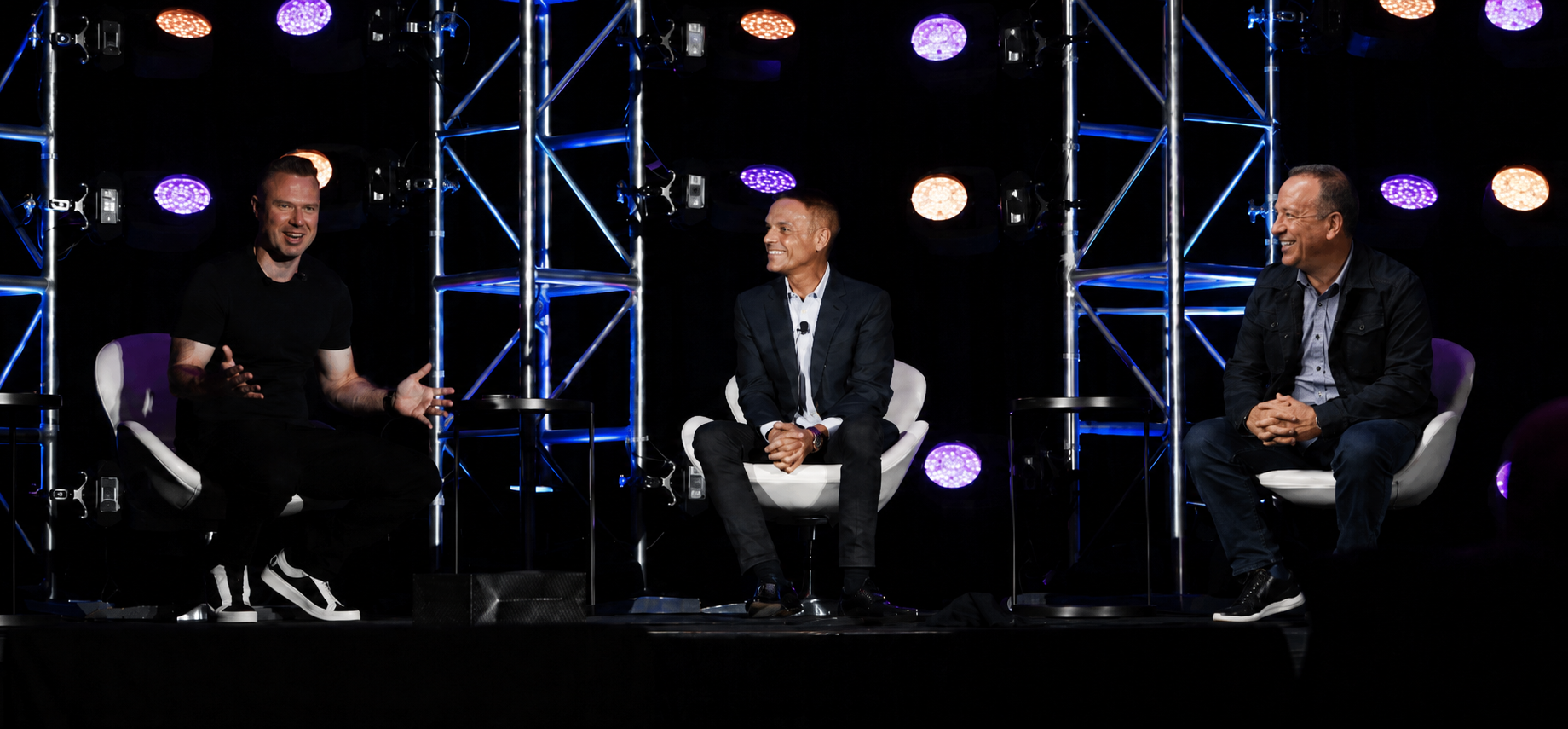
Frequency also plans to use media tied to Jordan and board members Kevin Harrington and David Meltzer to publish content on agentic AI, cybersecurity, governance, automation and changes in the MSP industry. A broader report on the shift from managed services to managed intelligence services for MSP customers is expected in the coming weeks.