Todd Blanche faces Senate scrutiny over Trump DOJ controversies
Trump’s attorney general nominee is set for questions on Epstein files, a canceled DOJ fund and prosecutions of the president’s critics.
By Jordan Bell · Startups & Deals Reporter
· 4 min read
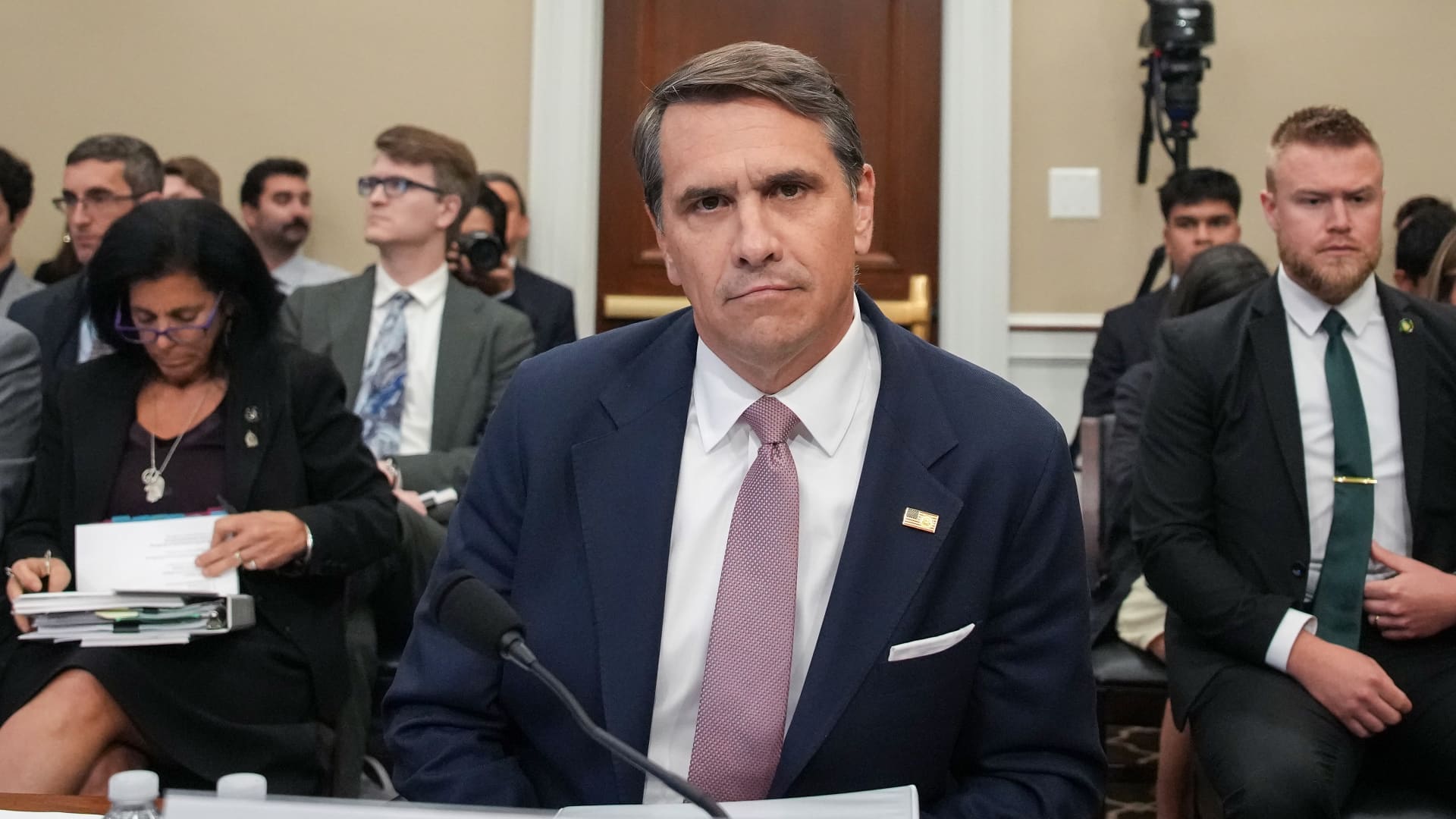
Todd Blanche, President Donald Trump’s pick to lead the Justice Department, goes before the Senate Judiciary Committee on Wednesday with several political and legal fights already attached to his record. For investors, the attorney general matters because the office oversees federal law enforcement, including prosecutions and enforcement decisions that can affect companies, executives and government agencies.
Blanche, 51, has been acting attorney general since early April, after Trump fired Pam Bondi over her handling of matters tied to documents about Jeffrey Epstein, the late sex offender. Blanche first became widely known as a criminal defense attorney for Trump.
Trump urged Senate Republicans to support the nomination in a Truth Social post Tuesday, calling Blanche a “great lawyer, always very fair,” and saying every Republican senator should vote to confirm him “ASAP.”
Epstein records are likely to dominate
Democrats on the committee are expected to question Blanche about the Justice Department’s handling of files related to Epstein. Congress passed a law in November requiring the department to release all Epstein-related documents it holds.
In January, while serving as deputy attorney general, Blanche decided not to publicly release millions of additional pages after the department had initially disclosed more than 3 million pages. The Justice Department said in a Jan. 30 statement that withheld documents included duplicate records from separate investigations and materials covered by legal privileges.
A group of Epstein victims released a video this week asking senators to reject Blanche’s nomination. They said the Justice Department made their personal information public in the file release, even though it should have been redacted, meaning hidden from public view.
Canceled DOJ fund draws fresh attention
Blanche is also set to face questions over a proposed $1.8 billion Justice Department “anti-weaponization” fund. The fund was designed to compensate people described as victims of prosecutorial overreach by the department.
Blanche has said he canceled the fund after criticism from both Republican senators and Democrats. The proposal came as part of an out-of-court settlement in Trump’s lawsuit against the IRS over the leak of his tax records. Trump has since floated reviving the idea, according to CNBC.
The settlement gave Trump, members of his family and related business entities effective immunity from IRS audits, prosecution or regulatory enforcement for tax returns filed through the May settlement date.
On Monday, a federal judge in Miami said Trump sued the IRS for an “improper purpose,” writing that the case sought the appearance of judicial approval for a settlement with no viable basis in law or fact. The judge ordered that her ruling be sent to the New York State Bar Association, where Blanche is a member and where an ethics complaint against him is pending.
A Justice Department spokesperson told CNBC there was “no collusion” in the case and said the judge had ignored decades of precedent. The spokesperson also said the plaintiffs received no money and were barred from receiving funds from the now-defunct anti-weaponization fund.
Sen. Dick Durbin of Illinois, the top Democrat on the Judiciary Committee, told reporters Tuesday that Blanche said in a private meeting that he had made a mistake and did not want the fund to proceed. Durbin said Blanche was willing to work with Congress to put that position into law, but Durbin called the explanation “a very weak defense.”
Prosecutions of Trump critics are another flashpoint
Democrats are also expected to question Blanche about federal cases against former FBI Director James Comey and New York Attorney General Letitia James, both of whom Trump has treated as adversaries. The cases were brought last fall by the U.S. Attorney’s Office for the Eastern District of Virginia, which is overseen by the Justice Department.
Both defendants strongly denied the allegations. A judge dismissed the cases in November after ruling that the interim U.S. attorney who filed them had been invalidly appointed.
Comey was indicted again in April in the Eastern District of North Carolina on counts alleging that he threatened to kill Trump by posting an Instagram image of seashells spelling “86 47.” A Justice Department spokesperson told CNBC that James and Comey were charged by federal grand juries, which are panels that decide whether prosecutors have enough evidence to bring charges, for serious felony offenses.
This story draws on original reporting from CNBC.


