Kevin Warsh heads to Senate for second day of Fed testimony
The Fed chair faces Senate Banking Committee questions after giving few signals Tuesday on where interest-rate policy goes next.
By Jordan Bell · Startups & Deals Reporter
· 3 min read
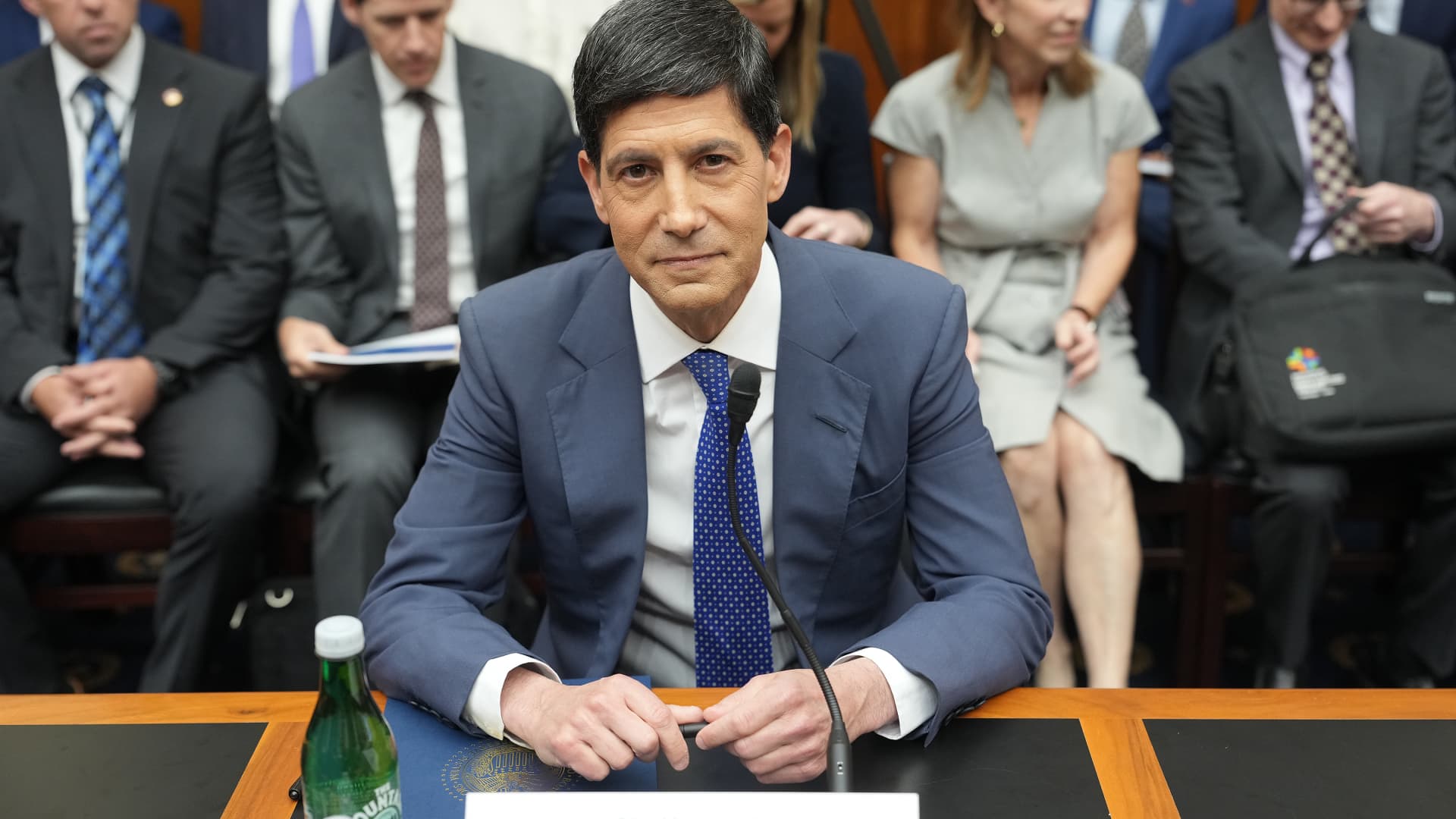
Federal Reserve Chairman Kevin Warsh is scheduled to testify Wednesday before the Senate Banking Committee, with lawmakers expected to press him on the economy and interest rates, according to CNBC. For everyday investors, the hearing matters because Fed rate policy feeds into borrowing costs, savings yields, bond prices and the valuation math behind stocks.
CNBC said the livestream was slated to begin at 10 a.m. ET, with CNBC Television starting coverage when the event begins.
The appearance is part of Warsh’s required testimony on Capitol Hill as head of the central bank, CNBC reported. He appeared Tuesday before the House Financial Services Committee, where he emphasized the Fed’s effort to bring inflation under control.
Warsh did not offer much detail Tuesday on the likely path for monetary policy, according to CNBC. Monetary policy is the Fed’s use of tools such as interest rates to influence inflation and economic activity. When the Fed raises rates, credit generally becomes more expensive; when it lowers rates, borrowing can become easier, though market conditions and lender decisions also matter.
What investors are watching
The Senate hearing gives lawmakers another chance to question Warsh about the economic forces that could shape rate decisions. CNBC reported that the focus is expected to include the economy and factors that may affect interest rates.
Inflation remains central to the discussion. Higher inflation can pressure the Fed to keep policy tighter, while lower inflation can give officials more room to consider easing. Warsh’s comments Tuesday, as reported by CNBC, reinforced the central bank’s stated focus on fighting inflation, but did not provide a clear signal on future moves.
That lack of specificity is notable for markets because investors often look for small changes in Fed language. A central bank chair does not need to announce a decision for markets to react; hints about risks, confidence or timing can shift expectations for where rates may go.
Warsh avoided political fights Tuesday
CNBC reported that legislators tried to draw Warsh into fiscal and political topics during his House testimony. Fiscal policy refers to government taxing and spending decisions, which are controlled by elected officials rather than the Fed.
Warsh largely stayed away from those subjects, according to CNBC, and stressed that the Fed should remain focused on the responsibilities it has been assigned. That stance keeps the spotlight on the central bank’s core economic role rather than broader political disputes.
Wednesday’s Senate appearance follows that same high-stakes setup: lawmakers want answers on inflation, growth and rates, while investors are listening for anything that changes expectations for the Fed’s next steps.
This story draws on original reporting from CNBC.