Alibaba and Baidu rise after China approves Apple AI services
Hong Kong shares of Alibaba and Baidu climbed after Chinese regulators listed Apple Intelligence among approved smartphone AI services.
By Maya Okafor · Markets Writer
· 3 min read
Alibaba and Baidu shares rose in Hong Kong on Thursday after Chinese regulators approved Apple Intelligence services tied to local partners. For everyday investors, the move puts two Chinese tech names closer to a role inside Apple’s China ecosystem, where AI features may need domestic partners to reach users.
Alibaba’s Hong Kong-listed shares climbed about 5% after the company confirmed that Qwen, its artificial intelligence model, will be built into Apple services in China, CNBC reported. An AI model is software trained to process and generate content, such as text or images.
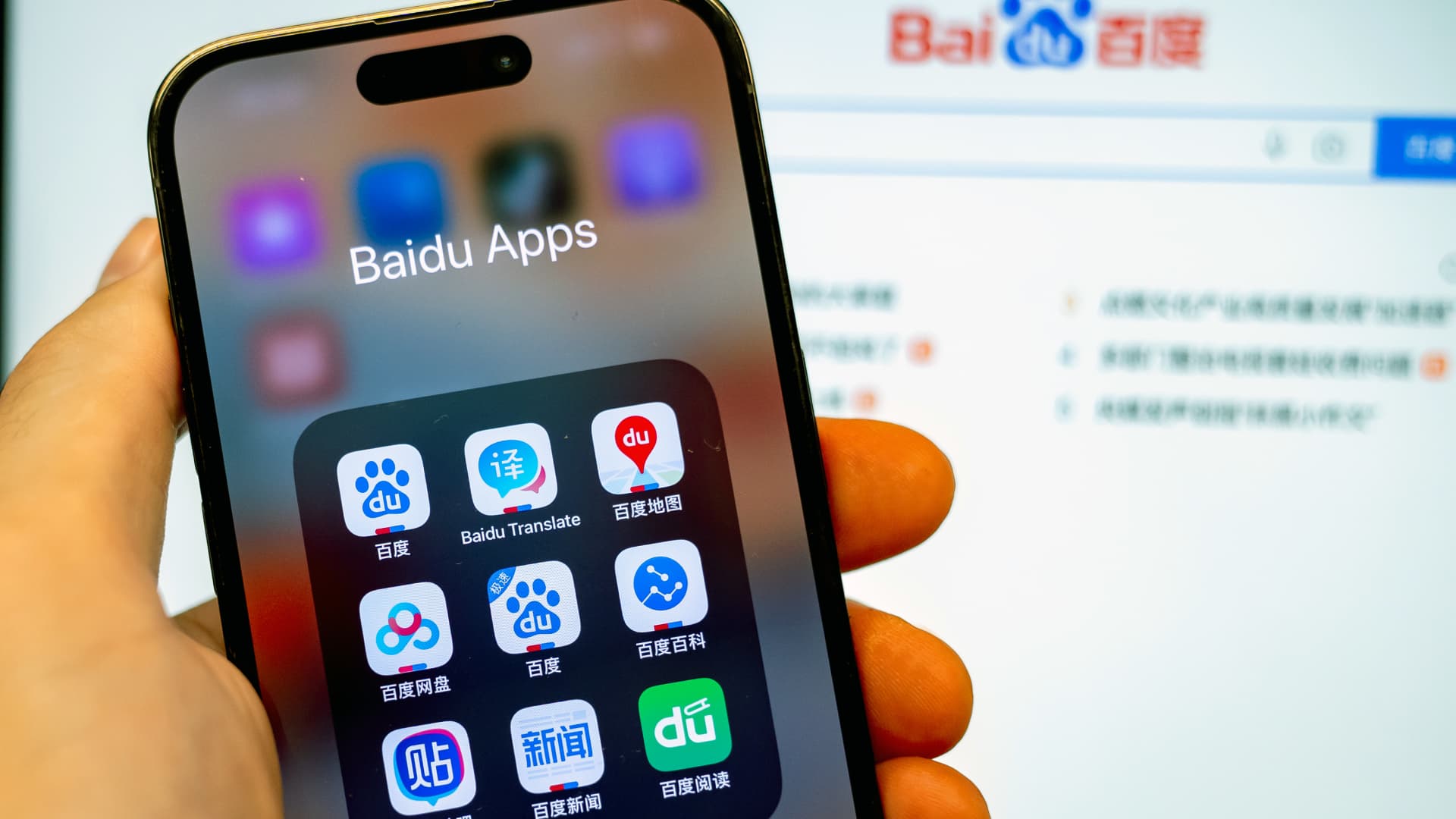
Baidu’s Hong Kong-listed shares gained about 4% after the company confirmed it was working with Apple on Apple Intelligence features for iPhones in China, according to CNBC. Apple Intelligence is Apple’s suite of AI tools across its devices and operating systems.
The regulatory piece came from China’s Cyberspace Administration, which published a notice Wednesday listing Apple Intelligence among approved smartphone-based AI service providers. The notice also included six other smartphone AI services, including Huawei Technologies, CNBC reported.
What Alibaba says it will provide
An Alibaba spokesperson told CNBC that “Qwen will be integrated into Apple Intelligence experiences within iOS, iPadOS, macOS, and vision OS for users in China.” That means the model would sit inside Apple’s device software for Chinese users rather than requiring a separate app or service.
The spokesperson said the Apple-Qwen setup would let users use the model’s abilities, including text and image understanding and generation, “without needing to jump between tools.”
Alibaba’s U.S.-listed shares had finished slightly higher overnight after CNBC reported the company’s comments. The Hong Kong move on Thursday showed investors reacting more directly to the prospect that Alibaba’s AI software could gain distribution through Apple devices in China.
Why Baidu is part of the story
Baidu, best known for its search engine, also runs cloud, mapping and other internet-based services. Its role with Apple centers on Apple Intelligence features for iPhones in China, though CNBC reported only that Baidu confirmed it was working with Apple on those features.
The Baidu move also comes after CNBC reported in late June that Kunlunxin, Baidu’s artificial intelligence chip unit, was targeting a Hong Kong initial public offering. An initial public offering, or IPO, is when a company sells shares to public investors for the first time. CNBC reported that the listing could value the affiliate at $50 billion.
The bigger AI context
The Apple partnerships are landing during a period of rising technology competition between China and the U.S. CNBC reported that the U.S. has tried to limit China’s access to advanced chips, while Beijing has sought to restrict U.S. investment into Chinese technology companies.
AI has become a strategic issue for governments as well as companies. Research organization RAND said in a report that “AI leadership is becoming central to economic competitiveness, global standard-setting, and the maintenance of democratic governance.”
For investors watching Alibaba and Baidu, the immediate market reaction was clear: Chinese AI partnerships tied to Apple drew buying interest in Hong Kong. The longer-term business impact will depend on how Apple Intelligence is rolled out in China and how much value those integrations create for the local AI providers.
This story draws on original reporting from CNBC.