Amazon direct-to-device satellites plan seeks FCC approval
Amazon wants FCC approval for up to 5,105 satellites, setting up a 2028 direct-to-device push using Globalstar assets.
By Theo Nakamura · Staff Writer
· 3 min read
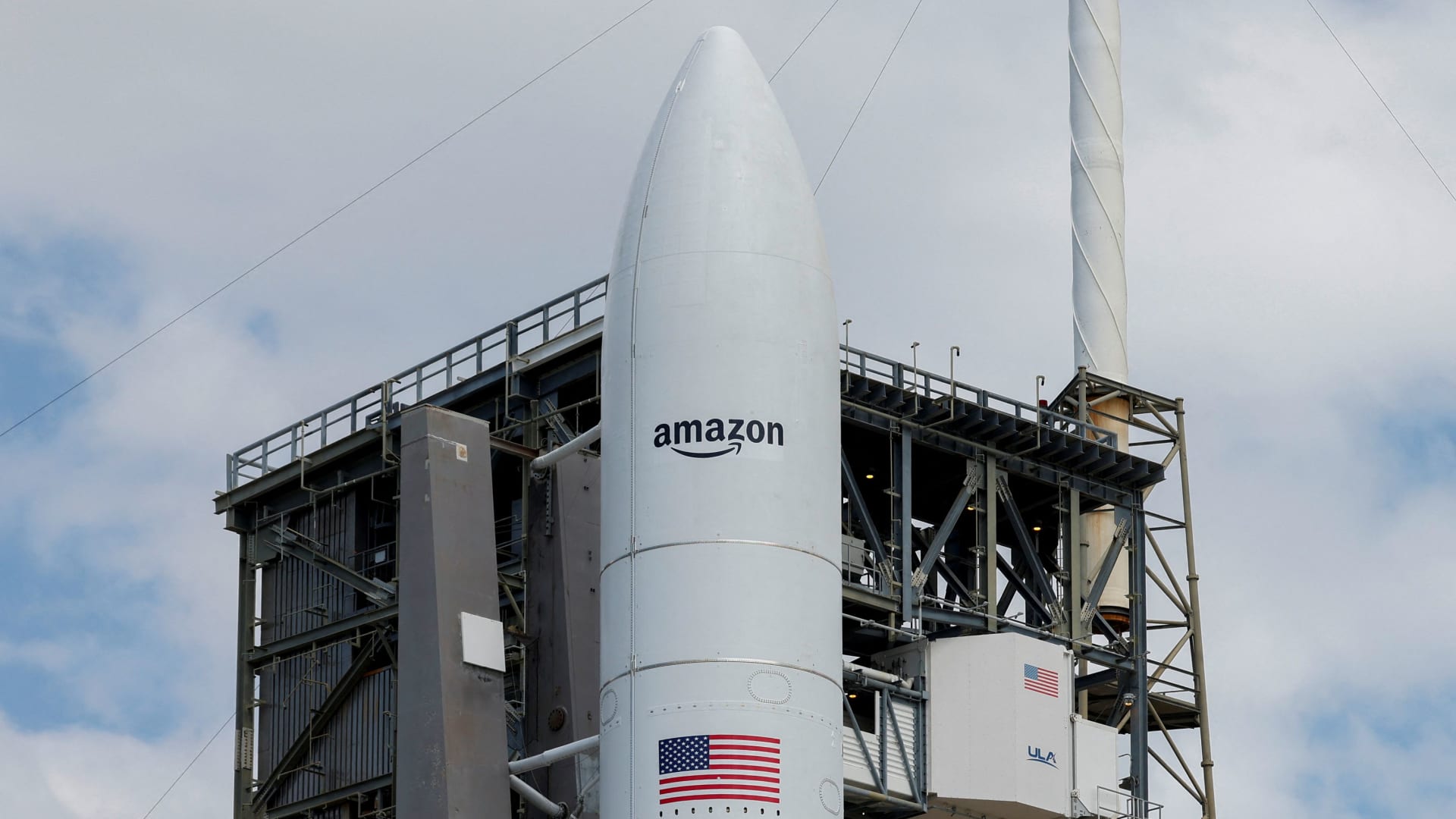
Amazon direct-to-device satellites are moving from concept to regulatory request. The company asked the Federal Communications Commission to approve launches of up to 5,105 internet satellites for a network meant to connect phones and other devices without relying on traditional cell towers.
For Amazon investors, the filing shows how the company wants to widen its satellite internet effort beyond its current low Earth orbit buildout and into mobile connectivity, where SpaceX is already developing a competing service. The request still needs federal approval.
What is Amazon asking the FCC to approve?
Amazon said in a Saturday FCC application that its proposed direct-to-device, or D2D, network would combine existing Amazon infrastructure with satellites and spectrum from Globalstar. Spectrum means licensed radio frequencies used to carry wireless signals.
The Globalstar piece is tied to a deal Amazon announced in April to acquire the satellite operator for about $11.6 billion. Amazon previously said it expects that transaction to close in 2027, with deployment of the D2D network beginning in 2028.
In the FCC filing, Amazon said it plans to serve people who are “unserved or underserved” by current wireless providers. The company also listed emergency operations, including search and rescue, as a potential use case.
Amazon said the network could also help connect remote worksites, fleets and supply chains that are hard for ground-based wireless networks to reach. In the filing, Amazon wrote that it looks forward to bringing D2D connectivity to people “living, traveling and working in places beyond the reach of existing networks today.”
What is direct-to-device satellite service?
Direct-to-device satellite service connects a smartphone or another device straight to satellites instead of routing the signal through a nearby cell tower. For users, the basic promise is coverage in places where conventional wireless networks are unavailable or weak, though Amazon has not provided consumer pricing or service details in the filing.
The D2D request sits alongside Amazon’s broader internet-from-space project. Amazon has been building a low Earth orbit network intended to compete with SpaceX’s Starlink, which CNBC described as the dominant provider in that category with more than 10,000 satellites in its constellation.
Amazon now has more than 390 satellites in orbit and recently said that is enough to start “initial service” later this year. Last month, the FCC granted Amazon’s request to waive a requirement that it deploy 1,600 first-generation satellites by July 30. The company is still required to launch all 3,232 satellites in that planned constellation by July 2029.
Who is Amazon competing with?
Amazon’s proposed D2D network would put it up against SpaceX’s Starlink Mobile service. CNBC reported that SpaceX has acquired wireless spectrum licenses from EchoStar to support that network and offers direct-to-cell service in the U.S. through T-Mobile.
The filing adds another front to Amazon’s satellite ambitions: home and business internet from orbit, plus direct connections to mobile devices. For retail investors watching Amazon, the key near-term markers are regulatory approval, the expected Globalstar deal close in 2027 and the company’s planned start of D2D deployment in 2028.
This story draws on original reporting from CNBC.


