Amazon q2 earnings put AWS growth and AI spending under the microscope
Amazon reports second-quarter results Thursday, with investors focused on AWS growth, AI capex and whether 2026 spending guidance rises.
By Theo Nakamura · Staff Writer
· 3 min read
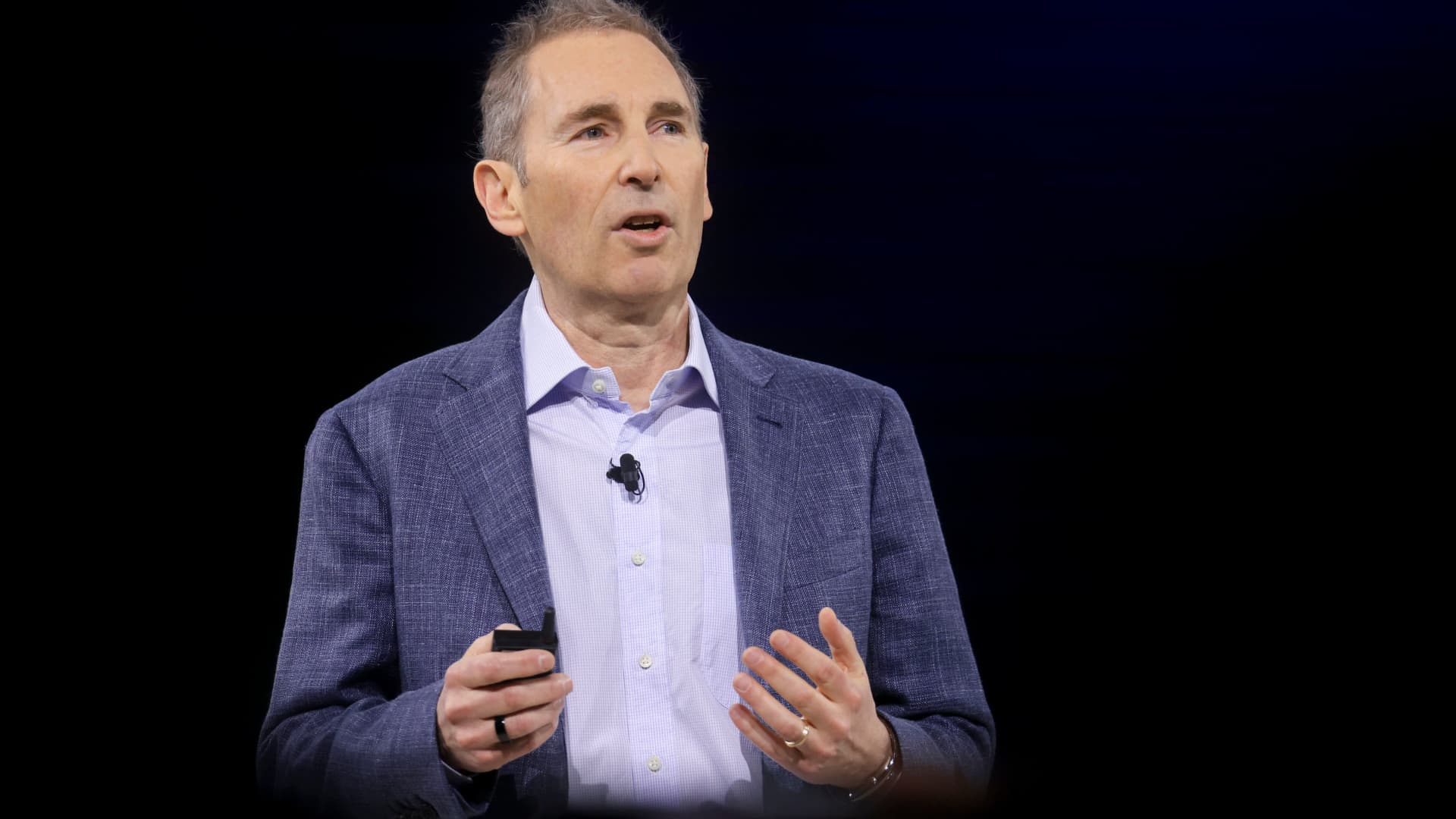
Amazon q2 earnings are due after Thursday’s close, and the stock’s next move may come down to two things retail investors can track clearly: cloud growth and artificial intelligence spending. Analysts polled by LSEG expect Amazon to report earnings of $1.82 a share on revenue of $196.47 billion.
The company will discuss the results with investors on a conference call scheduled for 5 p.m. ET, according to CNBC. Amazon shares were up about 3% for the year heading into the report, compared with an roughly 8% gain for the S&P 500.
What are analysts watching in Amazon q2 earnings?
Wall Street is focused on Amazon Web Services, the company’s cloud computing unit, and advertising, two businesses that carry heavy weight in Amazon’s profit story. StreetAccount estimates call for AWS revenue of $40.54 billion and advertising revenue of $19.43 billion.
AWS is expected to grow about 31% from a year earlier, according to StreetAccount. That would mark an acceleration from the first quarter, when CNBC reported that AWS revenue grew 28%, its fastest pace in more than three years.
Cloud computing is the business of renting data storage, processing power and software tools to companies over the internet. For Amazon, AWS matters because it serves startups, large companies and AI developers that need significant computing capacity without building their own data centers.
The comparison with rivals is getting sharper. CNBC reported that Google Cloud revenue rose 82% year over year in its latest quarter, while Microsoft’s Azure cloud revenue increased 43% in its fiscal fourth quarter.
Why is Amazon capex in focus?
Capital expenditures, or capex, are long-term investments in assets such as data centers, servers and chips. Investors are watching capex closely because AI growth requires expensive computing infrastructure, and higher spending can pressure cash flow before it turns into revenue.
Amazon said in February that 2026 capex would be about $200 billion, CNBC reported. Its capital expenditures reached $44.2 billion in the first quarter, up 77% from a year earlier, and FactSet data cited by CNBC points to $49.3 billion for the second quarter.
The bar has shifted after other large tech companies reported. CNBC reported that Alphabet shares fell last week after the company raised its full-year capex forecast to as much as $205 billion. Microsoft shares rose as much as 15% Thursday after better-than-expected earnings and a reaffirmed 2026 capex plan, while Meta shares fell 9% after weaker current-quarter revenue guidance and AI spending weighed on cash flow.
Morgan Stanley analysts wrote earlier this month that the AI ecosystem remains limited by available computing capacity and that the push to spend remains elevated. The firm now expects Amazon’s 2026 capex to reach $218 billion and projects further increases through 2028, when it estimates capex could hit $318 billion.
Morgan Stanley analysts also pointed to Amazon’s cloud relationships with AI companies as a support for future growth. Amazon has expanded cloud and chip partnerships with OpenAI and Anthropic, and in April it reached a deal to supply Meta with AWS Graviton chips, according to CNBC.
What else could affect Amazon’s outlook?
Amazon has been cutting some corporate jobs while increasing AI investment. CNBC reported recent layoffs in customer service, seller support and the company’s artificial general intelligence unit, following leadership changes in that group.
Retail timing may also matter. Amazon held Prime Day from June 23 to June 26, earlier than its usual July window, citing a busy calendar that included the World Cup and America’s 250th anniversary of independence. Adobe said U.S. online spending across all retailers during the event rose 9.3% year over year to $26.4 billion, while Amazon does not disclose Prime Day sales.
Mizuho analysts wrote Monday that the earlier Prime Day could slow North America retail sales growth in the third quarter before growth picks up again in the fourth quarter. Evercore called the event reasonably successful, while KeyBanc said its proprietary data showed Prime Week spending rose 41.7%, down from 50.5% growth last year.
This story draws on original reporting from CNBC.