Amazon tariff refunds reach $600 million, with some customers to be repaid
Amazon said it received $600 million after the Supreme Court tariff ruling and will automatically refund some affected shoppers.
By Theo Nakamura · Staff Writer
· 3 min read
Amazon tariff refunds totaled about $600 million in the second quarter, the company said Thursday, giving shoppers and AMZN investors a clearer look at how the rollback of Trump-era duties is flowing through the business. The company said some customers will get money back automatically when Amazon can tie specific import charges to their purchases.
Brian Olsavsky, Amazon’s finance chief, disclosed the figure on the company’s earnings call. He said Amazon is taking part in the government refund process after the Supreme Court in February invalidated many tariffs imposed under the International Emergency Economic Powers Act of 1977.
A tariff is a tax on imported goods. When the government collects a tariff that is later ruled improper, importers can seek refunds for duties they paid, which can then affect company costs, consumer prices, or both.
Will Amazon customers get tariff refunds?
Some will, according to Olsavsky. He said Amazon found a narrow set of cases where it can trace specific import charges that were passed on to customers. In those cases, he said the company will contact affected shoppers and issue refunds automatically after receiving the related tariff refunds.
For the rest of the money, Olsavsky said Amazon will use the refunds the way other large retailers do: to keep investing in lower prices for customers. The company did not provide a dollar amount for how much of the $600 million will go directly to shoppers.
Olsavsky described Amazon’s refund amount as limited for two reasons. He said the company ordered and positioned inventory ahead of the tariffs, which reduced its exposure. He also said Amazon is not the importer of record for most items sold through its store. The importer of record is the party legally responsible for bringing goods into the country and paying duties.
That distinction matters on Amazon’s marketplace because many products are sold by outside merchants rather than Amazon itself. Third-party sellers account for more than 60% of goods sold on Amazon’s marketplace, according to the company figures cited by CNBC. Many sellers that import products from overseas raised prices because of the tariffs and have since applied for refunds.
Why the refund issue became political
Amazon had not previously said whether it would seek refunds. In May, consumers filed a proposed class-action lawsuit in federal court in Seattle alleging they paid prices inflated by tariffs and were owed refunds. The lawsuit also alleged Amazon was avoiding the refund process to curry favor with President Donald Trump.
The issue has carried political risk for Amazon. CNBC reported that Trump said in April he would “remember” companies that did not seek refunds, when asked about whether companies including Amazon might avoid doing so out of concern over offending him.
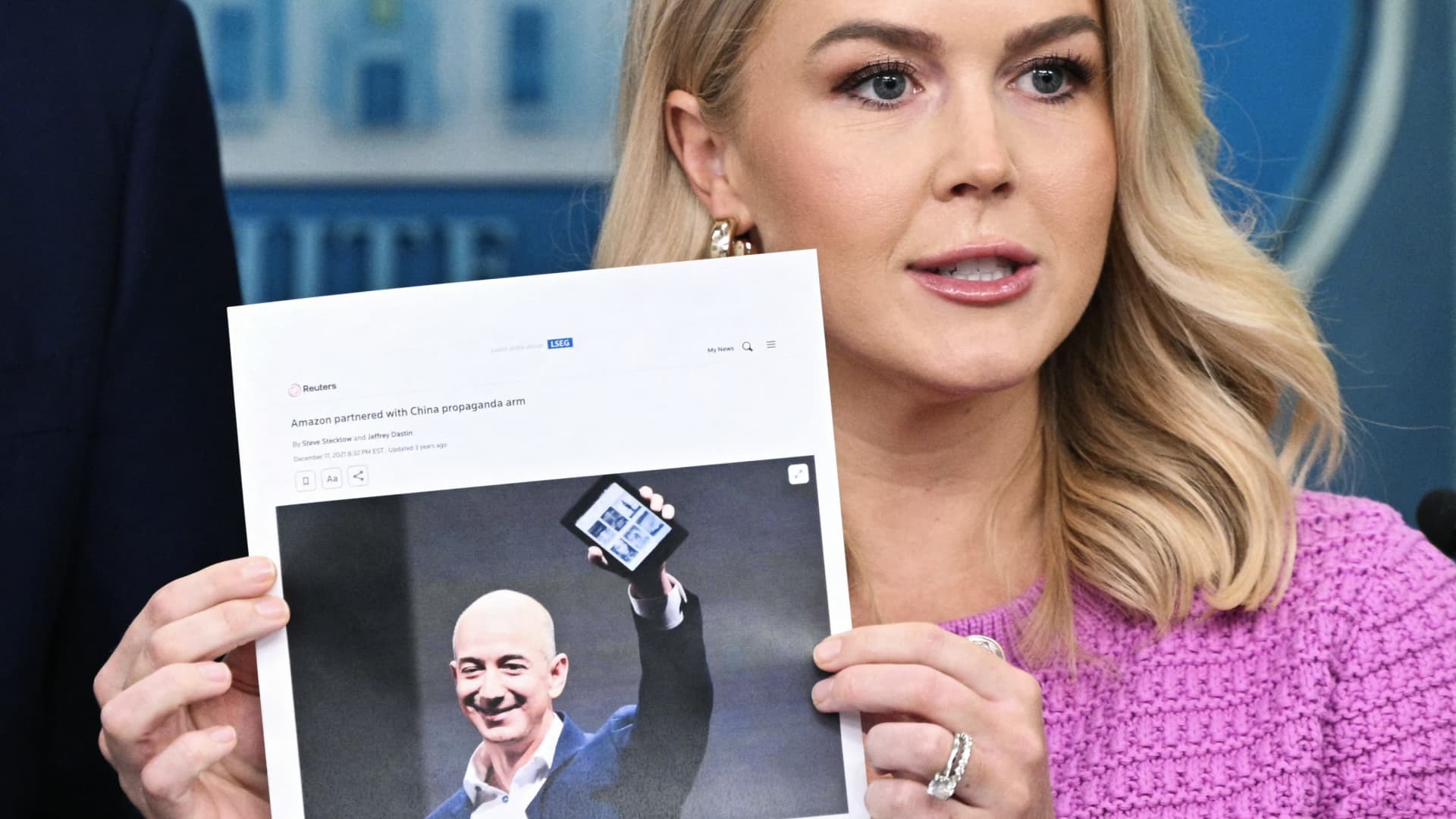
Amazon also drew White House criticism last year after reports that it planned to show tariff-related costs beside some products on its site. NBC News reported that Trump personally called Amazon founder and executive chairman Jeff Bezos to complain about the plan.
Other major companies said they would apply for tariff refunds after the Supreme Court decision, including Apple, Walmart, Costco, Home Depot and General Motors. Apple said Thursday that tariff refunds lifted its third-quarter earnings per share by 5%, or 11 cents.
For Amazon investors, the disclosure adds another moving piece to a quarter already shaped by consumer pricing, marketplace seller economics and legal fallout from the tariff ruling. For shoppers, the practical takeaway is narrower: refunds are coming only where Amazon says it can identify a direct pass-through of import charges.
This story draws on original reporting from CNBC.