American ownership of Premier League clubs keeps climbing
American investors now control 11 of 20 Premier League clubs as scarce assets, media rights and turnaround plays draw money into English soccer.
By Theo Nakamura · Staff Writer
· 4 min read
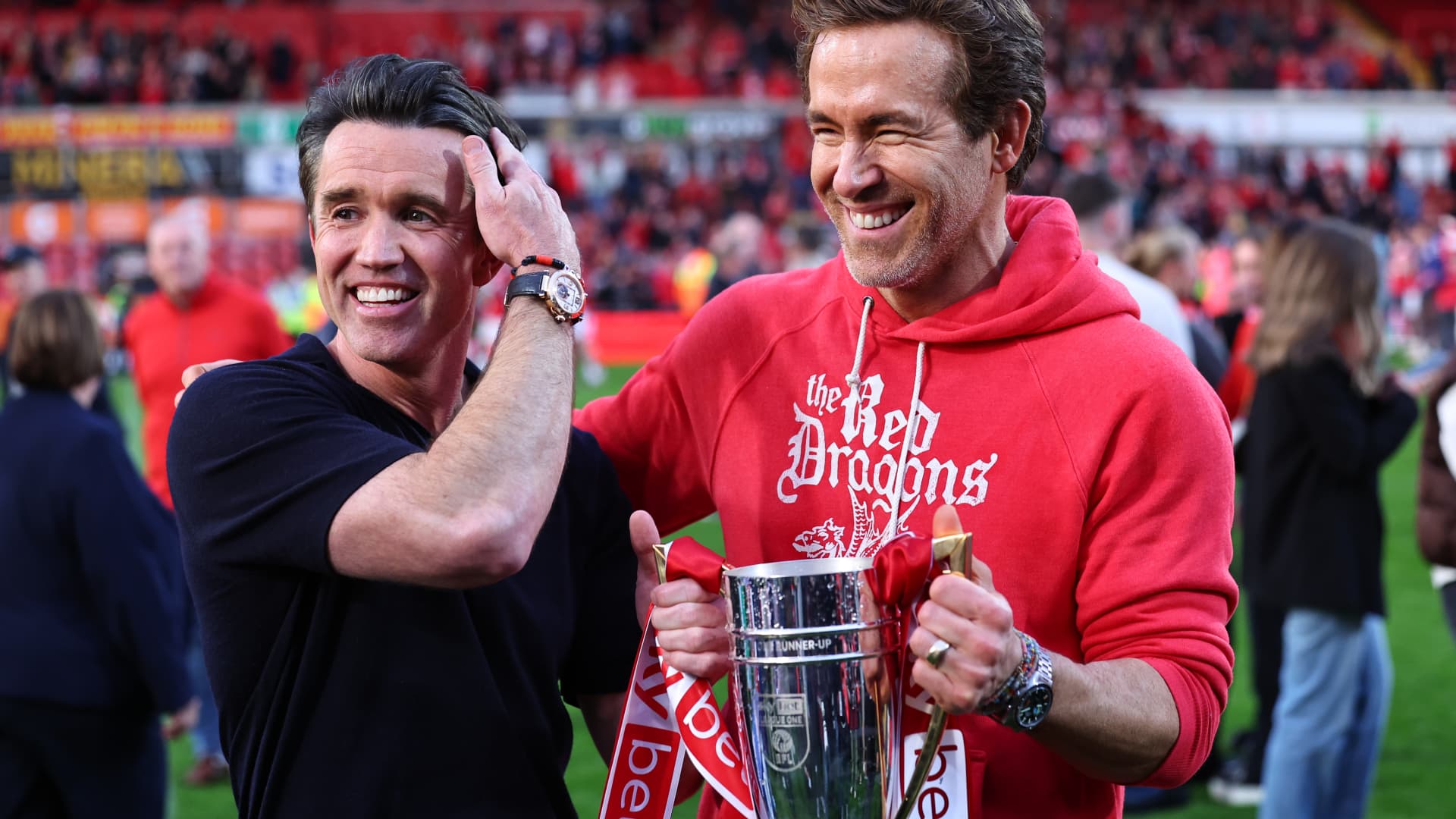
American ownership of Premier League clubs has moved from a curiosity to a defining feature of English soccer, and that makes the sport harder for investors to ignore. CNBC reported that U.S. owners now control 11 of the league’s 20 current teams, a sign that elite clubs are being treated less like local trophies and more like scarce media assets.
The shift comes as Europe’s domestic seasons restart after the FIFA World Cup, with the Premier League scheduled to begin again on Aug. 21. Arsenal, the defending champion, opens its title defense in the world’s most watched soccer league, according to CNBC.
The American push started in a big way with the Glazer family’s 2005 takeover of Manchester United. Since then, U.S. money has spread across the top division and into smaller clubs, helped by celebrity-backed stories such as Ryan Reynolds and Rob McElhenney buying Wrexham in 2020 and Snoop Dogg investing in Swansea City this year.
Why are Americans buying Premier League clubs?
Sports finance analysts told CNBC that investors see room to improve how British and European clubs are run day to day. Many clubs have historically put supporters and on-field ambition ahead of revenue growth, and that can leave opportunities in sponsorships, hospitality, merchandising and media strategy.
An asset class is a group of investments with shared traits, such as stocks, bonds or real estate. Soccer clubs are increasingly being discussed that way because buyers can own a globally recognized brand, live sports rights and a limited supply of elite teams.
Fenway Sports Group is the clearest example in CNBC’s report. The Boston-based owner bought Liverpool FC in 2010 for £300 million when the club was under severe financial pressure. FSG has confirmed talks to sell a significant minority stake to a group led by British-Indian entrepreneur Amit Bhatia, in a transaction believed to value Liverpool at $6 billion.
During FSG’s ownership, Liverpool won two Premier League titles and one Champions League title, according to CNBC. Kieran Maguire, associate professor in football finance at the University of Liverpool, told CNBC that the $6 billion valuation reflects the limited number of elite clubs and the readiness of billionaires to invest in them.
How the money works
Broadcast revenue is a central part of the Premier League model. Deloitte said clubs in the division received more than £3.3 billion from television in the 2024-25 season, equal to 50% of total income.
The league’s TV money is shared across all 20 teams. CNBC reported that 50% is split evenly, 25% depends on league position and 25% is based on how often each club is selected for televised matches. That structure gives every club a base of media income while rewarding stronger finishes and bigger TV audiences.
The business still comes with strain. Deloitte said only eight Premier League clubs posted an operating profit in the 2024-25 season. Operating profit means profit from normal business activities before some costs, such as taxes and financing. The league had combined pre-tax losses of £948 million, or $1.26 billion, according to Deloitte.
Deloitte also warned that owners risk pushing commercialization too far if supporters feel priced out or ignored. In its 2026 football finance review, Deloitte researchers wrote that frustrations among fans at the top end of the game are rising and that more may choose to stop attending live matches.
What public investors can see
For retail investors, listed soccer stocks show that rising club values do not automatically mean strong share-price returns. CNBC noted that Manchester United shares are up about 30% over the past five years and remain below their 2018 highs. Juventus shares are down nearly 70% over the same period.
Amber Pinto, partner at sports investment agency Pinto Capital, told CNBC that U.K. football clubs are rare assets with long histories, and that live sport is difficult to replace with artificial intelligence. She also said the deal process has become longer and more complex as regulators, finance firms and media groups take a larger role.
That mix explains the appeal and the risk. Premier League clubs offer global audiences, scarcity and media revenue, but they also carry high costs, fan pressure and no guarantee that private valuations will translate into public-market gains.
This story draws on original reporting from CNBC.


