Biotechs test GLP-1 weight-loss treatments for cats
Early feline obesity trials show how human weight-loss drug ideas are moving into the fast-growing pet health market.
By Jordan Bell · Startups & Deals Reporter
· 3 min read
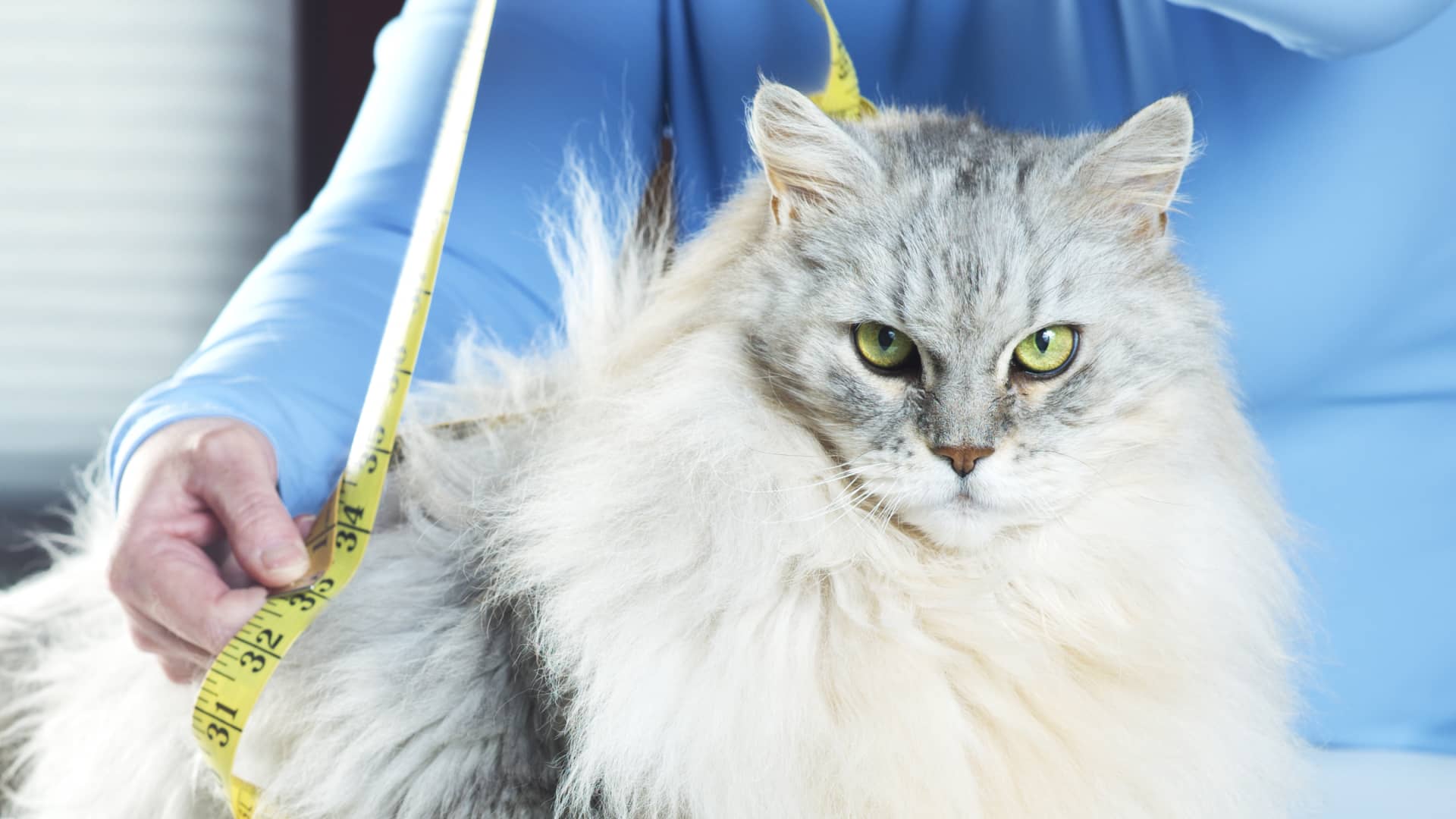
Two U.S. biotech companies are testing experimental GLP-1 weight-loss treatments for overweight cats, a small but telling move for investors watching the pet care market. If the science works and owners are willing to pay, obesity medicine could become another piece of a U.S. pet economy that Morgan Stanley estimates at nearly $200 billion.
GLP-1 weight-loss drugs are the class of medicines behind the human obesity boom led by Novo Nordisk and Eli Lilly. In pets, the idea is still early: there is no approved commercial “Ozempic for cats,” and the companies involved still need to show their products are safe and effective before veterinarians could use them broadly.
What is being tested
Akston Biosciences is backing a Cornell University clinical study of a once-weekly GLP-1 therapy for overweight and obese cats. The trial will follow about 70 cats over roughly three months, according to the company’s study plans described by CNBC.
OKAVA Pharmaceuticals, based in San Francisco, has started testing a long-acting implant meant to release medication for as long as six months. A veterinarian inserts the device, and the trial is called “MEOW-1,” according to the company.
Both companies are trying to adapt the appetite-regulating logic of human GLP-1 drugs for companion animals. Top-line trial results are expected later this year, CNBC reported.
The need is easy to understand for anyone who has tried to put a cat on a diet. The Association for Pet Obesity Prevention said 61% of cats and 59% of dogs evaluated by U.S. veterinary professionals in 2022 were classified as overweight or obese.
Cats can be especially hard to treat through lifestyle changes alone. They are not walked like dogs, may reject new diets and can be difficult to medicate on a steady schedule. Akston CEO Todd Zion said in November that feline obesity is among the most common and least effectively treated problems in veterinary medicine.
Pet health is becoming a bigger market
Morgan Stanley analyst Simeon Gutman told CNBC that pet GLP-1s fit into a wider shift from premium pet food toward more medicalized pet care. Owners are spending more on therapeutic nutrition, diagnostics, pharmacy services and veterinary treatment, he said.
Morgan Stanley estimates U.S. pet food sales will reach about $65 billion in 2026. The firm also projects total U.S. pet spending will rise from about $196 billion in 2025 to more than $240 billion by 2030.
Gutman cautioned against assuming animal GLP-1s will grow like the human market. Veterinary care is mostly paid out of pocket, he told CNBC, so pricing and affordability could limit adoption. He said the nearer-term opportunity may sit in the broader obesity care system, including prescription diets, structured weight-management programs and treatment for obesity-related conditions.
Food companies are not waiting
Large pet-food companies are already moving further into health products. Nestlé has centered its recent pet strategy on “Personalized Health,” with products aimed at digestion, healthy aging and longevity. The company has also said cat ownership has grown roughly three times faster than dog ownership in recent years, while premium cat food has outpaced premium dog food.
Gutman told CNBC that cats are an attractive growth area as younger consumers choose pets that can cost less and require less day-to-day maintenance than dogs. He also said longevity is becoming a major theme across diagnostics, therapeutics and therapeutic nutrition.
Companies that could sit near this shift include animal-health firms Zoetis, Elanco and IDEXX, as well as Nestlé Purina, Colgate-Palmolive’s Hill’s, Freshpet and Chewy, according to Gutman. For now, feline GLP-1s remain experimental, and the investment story depends on trial data, veterinary adoption and whether pet owners see the price as reasonable.
This story draws on original reporting from CNBC.