Chamath Palihapitiya warns AI usage costs could dent earnings
The Social Capital founder told CNBC that unchecked AI token spending may surprise executives and pressure some companies’ profits.
By Maya Okafor · Markets Writer
· 3 min read
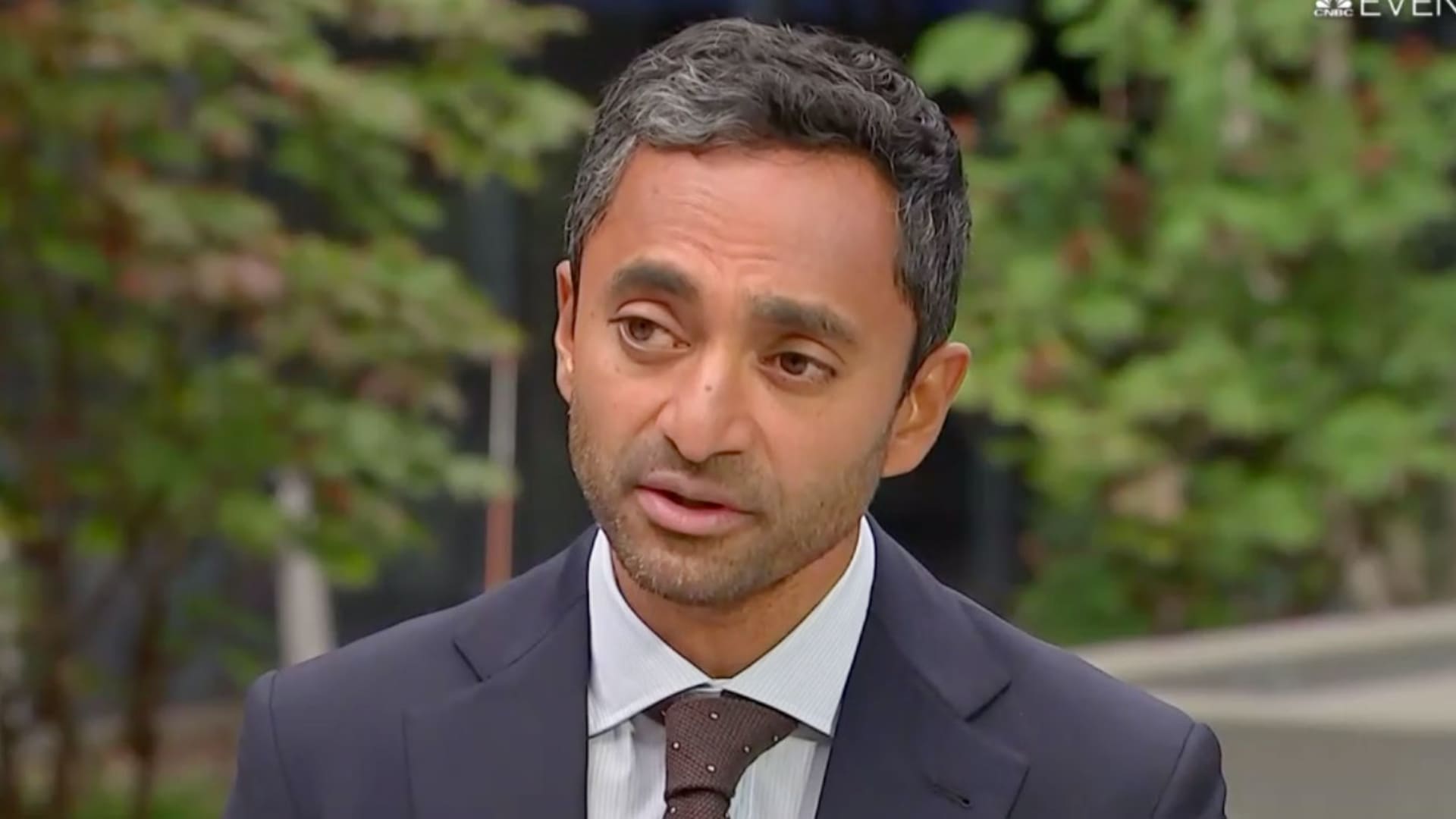
Chamath Palihapitiya says corporate AI bills are becoming an earnings risk. For everyday investors, the concern is straightforward: if companies spend more on AI tools than managers realize, that cost can show up in profit numbers.
The tech investor told CNBC on Tuesday that some chief executives and finance chiefs may not have a clear view of how much artificial intelligence is being used across their companies. He pointed to “tokenmaxxing,” a term used for pushing employees to use AI tools as much as possible.
AI companies often charge by tokens, which are small pieces of text that a model reads or generates. More usage can mean more tokens, and more tokens can mean a larger bill. Palihapitiya said that spending could eventually contribute to an earnings miss, where a company reports profit below Wall Street’s expectations.
“CEOs and the CFOs, in my opinion, probably have no idea how much tokenmaxxing is going on inside of their organizations,” Palihapitiya told CNBC. He said a company could one day miss earnings per share by a few cents and have executives asking what went wrong.
AI demand meets the earnings line
Palihapitiya’s warning adds to a broader debate in tech about whether the current AI usage model is sustainable for business customers. CNBC described him as part of a growing group of investors and executives saying the tokenmaxxing period is ending.
In March, Palihapitiya wrote on X that AI spending at his own company was trending above $10 million a year, a level he said felt scary for the founder of a small startup. He added then that he suspected other companies were also helping drive AI revenue growth without seeing meaningful return on investment.
Palihapitiya founded 8090 in 2024. CNBC reported that the company is building a platform for people to work with AI agents to create enterprise software. In June, 8090 announced a $135 million Series A funding round led by Salesforce, according to the company announcement cited by CNBC.
Palantir CEO Alex Karp has raised a similar complaint about token-based AI pricing. CNBC reported that Karp criticized OpenAI and Anthropic earlier this month over their pricing models, saying on “Squawk Box” that “something has gone completely wrong” and that many enterprises were wasting time with tokens.
Palihapitiya revisits his SPAC record
Palihapitiya is the founder of Social Capital, chief executive of 8090 and a co-host of the “All-In” podcast. CNBC noted that he remains a divisive Silicon Valley figure because he promoted special purpose acquisition companies, or SPACs, during the Covid-era boom. A SPAC is a blank-check company structure used to take another company public through a merger.
Many of those vehicles later closed or left investors with large losses, according to CNBC and The Wall Street Journal reporting cited by CNBC. Asked about that period on Tuesday, Palihapitiya said speculators were the people who did not make money, adding that he felt bad for them and that his incentives were misaligned with theirs.
He also said some parts of those investments worked, but called it a “huge mistake” to promote the SPACs on social media and CNBC. Palihapitiya launched another SPAC last year, American Exceptionalism Acquisition Corp. A, which CNBC said is aimed at companies in AI, energy, defense and decentralized finance.
This story draws on original reporting from CNBC.