United plans paid empty-middle-seat option on new A321XLR jets
United will sell select extra-legroom rows with a blocked middle seat, adding another paid choice as airlines slice cabins into more fare tiers.
By Maya Okafor · Markets Writer
· 3 min read
United Airlines is turning a familiar passenger wish into a paid product: more space by keeping the middle seat empty. For investors, the move shows how major airlines are still looking for ways to raise what each traveler pays without relying only on higher base fares.
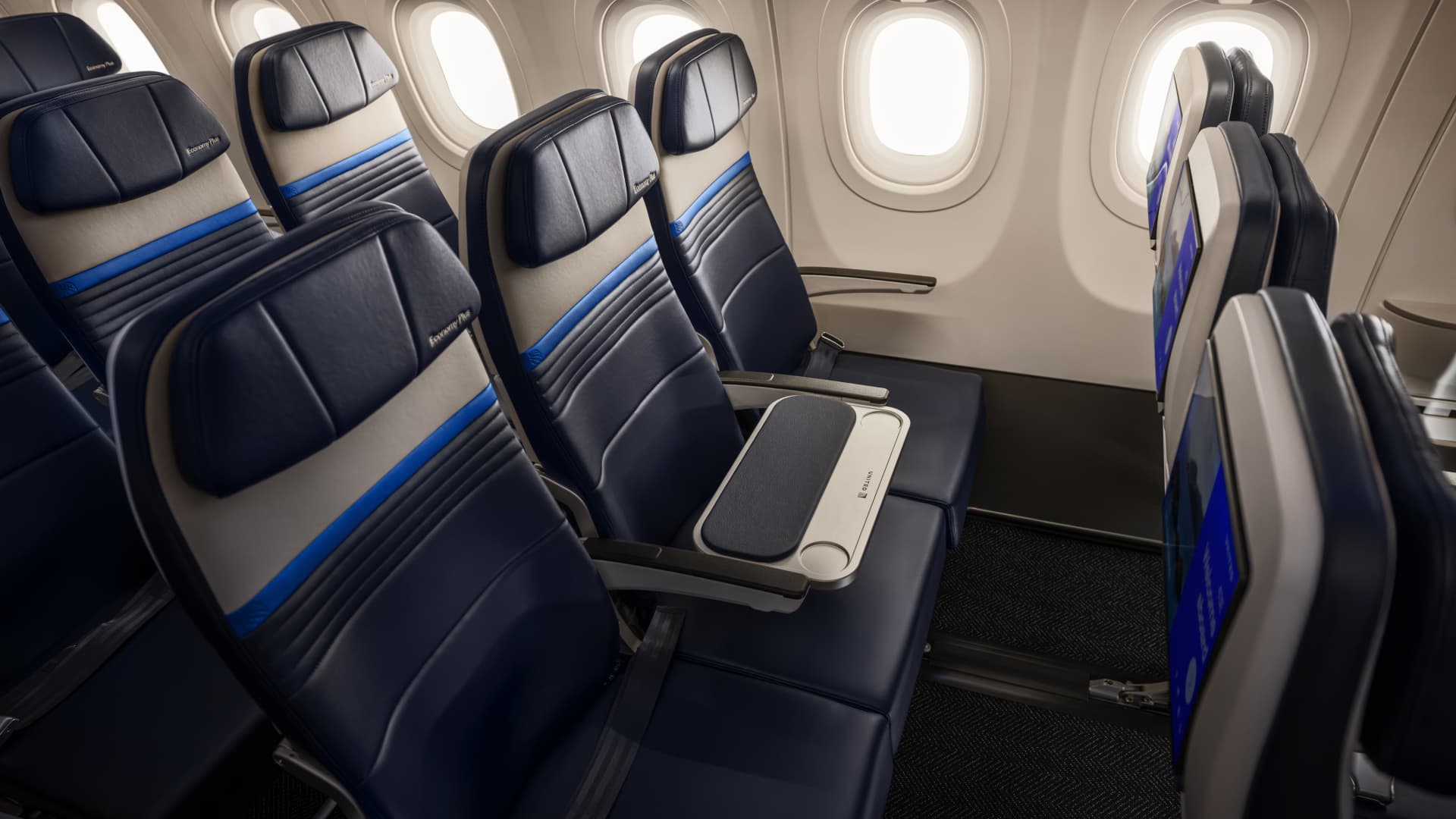
United said Tuesday that one row on its Airbus A321XLR aircraft will include an empty middle seat fitted with a tray table for the window and aisle passengers to share, CNBC reported. The seats will be located in the airline’s extra-legroom section and are expected to go on sale later this year.
United has not said how much the seats will cost, according to CNBC. The airline also said it could later add the setup to aircraft beyond the A321XLR, a long-range narrow-body plane.
The idea is straightforward. Instead of selling all three seats in a row, United would sell the two outside seats at a higher price and leave the middle seat unavailable to other travelers. That creates a roomier experience without installing a full premium cabin seat.
CNBC noted that this model is more common in Europe, where airlines often sell short-haul business class as a standard economy-style row with the middle seat blocked. United’s version places the concept inside its extra-legroom area rather than a traditional international business-class cabin.
Airlines keep dividing the cabin into paid choices
The empty-middle-seat product fits a broader industry pattern. Airlines have been breaking the plane into more categories, then charging different prices based on comfort, flexibility and included perks. These add-ons are often called ancillary products, meaning paid extras beyond the basic ticket.
CNBC reported that Delta Air Lines last week joined United in rolling out lower-priced business-class and premium economy fares that exclude some benefits previously bundled into those tickets. For Delta’s cheapest long-haul business-class tickets, CNBC said the airline will no longer include access to its top-tier Delta One lounge or seat selection.
That shift matters for travelers because the name of a cabin no longer tells the full story. A business-class ticket, a premium economy seat or an extra-legroom row can now come with different rules depending on the fare purchased.
United has also been testing other ways to sell comfort inside economy-style cabins. In March, the airline said it plans to offer a set of three economy seats that can convert into a bed on some wide-body aircraft, CNBC reported. United calls that product the “Relax Row.”
Premium seats remain a focus
Airlines have spent years adding more premium seats, according to CNBC, as higher-end travel spending has held up better than some other parts of the market. Bigger business-class cabins can bring in more revenue per flight when passengers are willing to pay for space, privacy or better service.
The push has also created operational pressure. CNBC reported that increasingly complex premium seats have contributed to delays in new aircraft deliveries, showing that cabin upgrades can affect more than marketing and pricing.
United’s blocked-middle-seat row is a smaller change than adding a new business-class suite, but it points in the same direction. Airlines are searching for products between standard economy and full premium cabins, where passengers can pay more for a specific comfort upgrade and carriers can sell more price points on the same aircraft.
This story draws on original reporting from CNBC.