Chernihiv power outage hits 150,000 after Russian strike
A Russian attack hit an energy site in northern Ukraine as Kyiv said it struck Russian missile, oil and logistics targets.
By Theo Nakamura · Staff Writer
· 3 min read
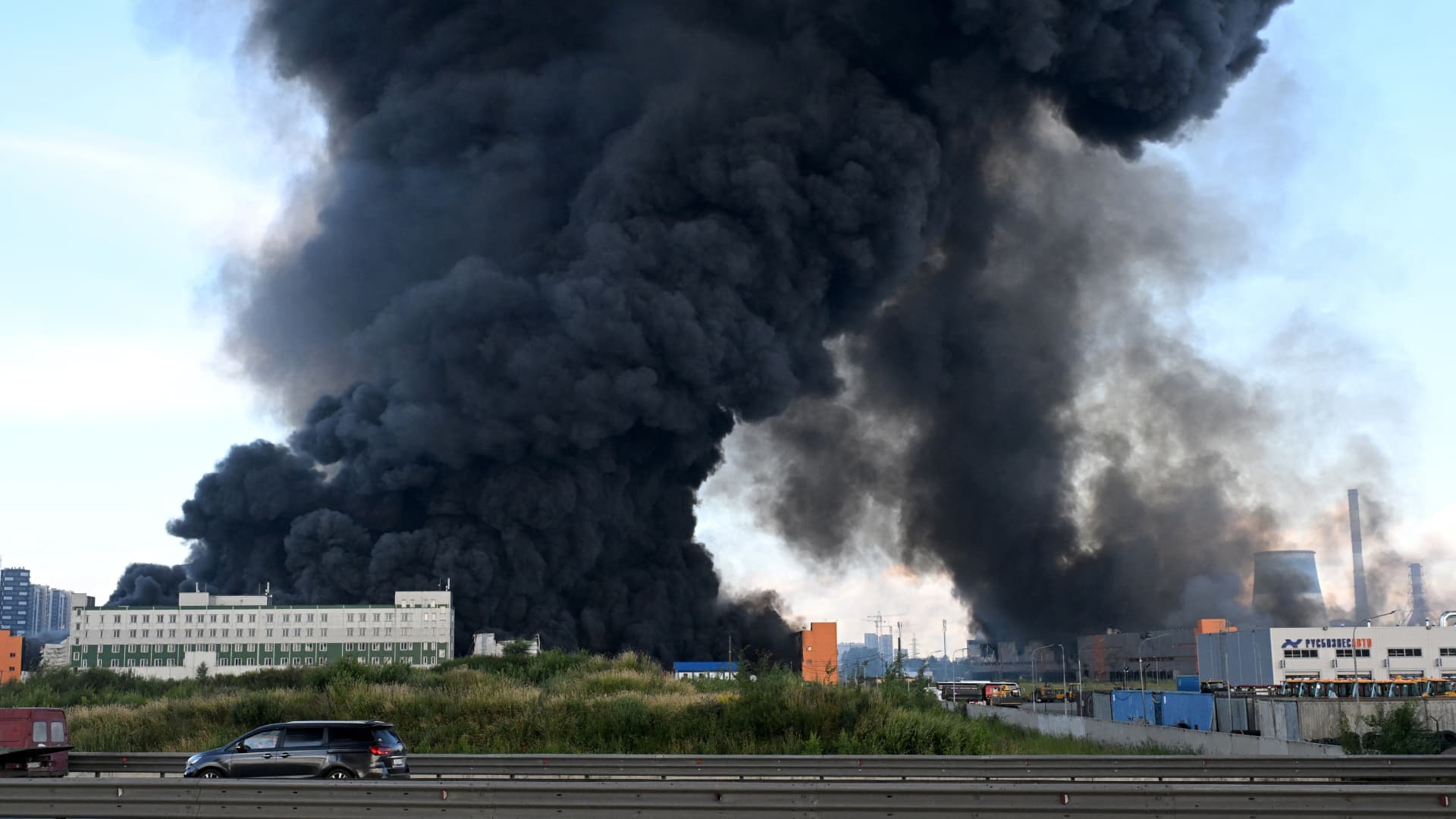
A Russian strike caused a Chernihiv power outage affecting about 150,000 residents on Friday, the regional electricity distribution company said. The hit to Ukraine’s power system matters beyond the battlefield: energy infrastructure is one of the war’s clearest pressure points, with direct costs for households, businesses and government budgets.
The company said on Telegram that the attack hit an energy facility serving the northern city of Chernihiv and the surrounding district. Repair crews were working to bring electricity back to customers, it said.
In Kyiv, air defenses were also responding to a Russian attack on Friday morning, Mayor Vitali Klitschko said on Telegram. No additional details on damage or casualties in the capital were included in his update.
What happened in Chernihiv?
Chernihiv sits in northern Ukraine, a region that has repeatedly faced Russian strikes during the war. A power outage of this size can interrupt heating, water systems, communications, shops and factories, depending on how local grids and backup systems hold up.
Electricity networks are especially vulnerable in wartime because they rely on fixed assets such as substations, power lines and transformers. When one piece is hit, utilities often have to reroute power or repair equipment before customers can be reconnected.
Ukraine says it hit Russian missile and oil facilities
The outage came as Ukrainian President Volodymyr Zelenskyy praised Ukrainian Defense Forces for attacks inside Russia, including a strike on what he described as an important missile-components plant in Kirov.
Zelenskyy said on social media that the Kirov site supplied parts used in Russian aircraft and missile systems. He called the strike justified, saying those systems had been used against Ukrainian cities and communities.
Zelenskyy also referred to an attack on an oil facility nearly 1,350 kilometers, or 838.9 miles, away. He said Ukraine’s campaign against Russian logistics was continuing and was aimed at supplies for the occupying army, including drone parts, navigation equipment and military gear.
Why is Ukraine striking Russian logistics sites?
Logistics means the systems that move goods, equipment and supplies from one place to another. In a war, logistics sites can include warehouses, transport hubs and storage facilities that help keep military operations supplied.
Ukraine has struck major logistics centers on Russian territory over the past week, including facilities connected to Wildberries, a large Russian online retailer often compared with Amazon, CNBC reported. A Ukrainian drone strike on logistics facilities operated by Wildberries in St. Petersburg and the surrounding Leningrad region injured three people, local authorities said, according to a Getty Images caption from the scene.
CNBC reported that the recent attacks appear aimed at disrupting Moscow’s supply chains and adding financial pressure on Russian companies and the state budget. That is the market-relevant angle for investors watching the war: attacks on energy, transport and commercial infrastructure can raise operating costs and complicate trade, even far from the front line.
EU adds new sanctions on Russia
The European Union separately announced on Thursday what it called its largest Russia sanctions package in four years, targeting almost 220 individuals and entities. Sanctions are financial and trade restrictions designed to limit access to money, goods or services.
EU foreign policy chief Kaja Kallas said the package covers more than 100 banks and crypto operators, more than 40 vessels in Russia’s shadow fleet, and several oil refineries in Russia and Belarus. She said sanctions are intended to increase pressure on Russia to end the war and stop attacks on civilians.
The latest developments show both sides targeting the systems that keep economies and militaries running: power grids, fuel facilities, missile supply chains and logistics networks.
This story draws on original reporting from CNBC.