Clayton declines to say Biden won 2020 election at DNI hearing
Trump’s nominee for director of national intelligence faced Senate questions on elections, press subpoenas and the stalled surveillance law.
By Theo Nakamura · Staff Writer
· 3 min read
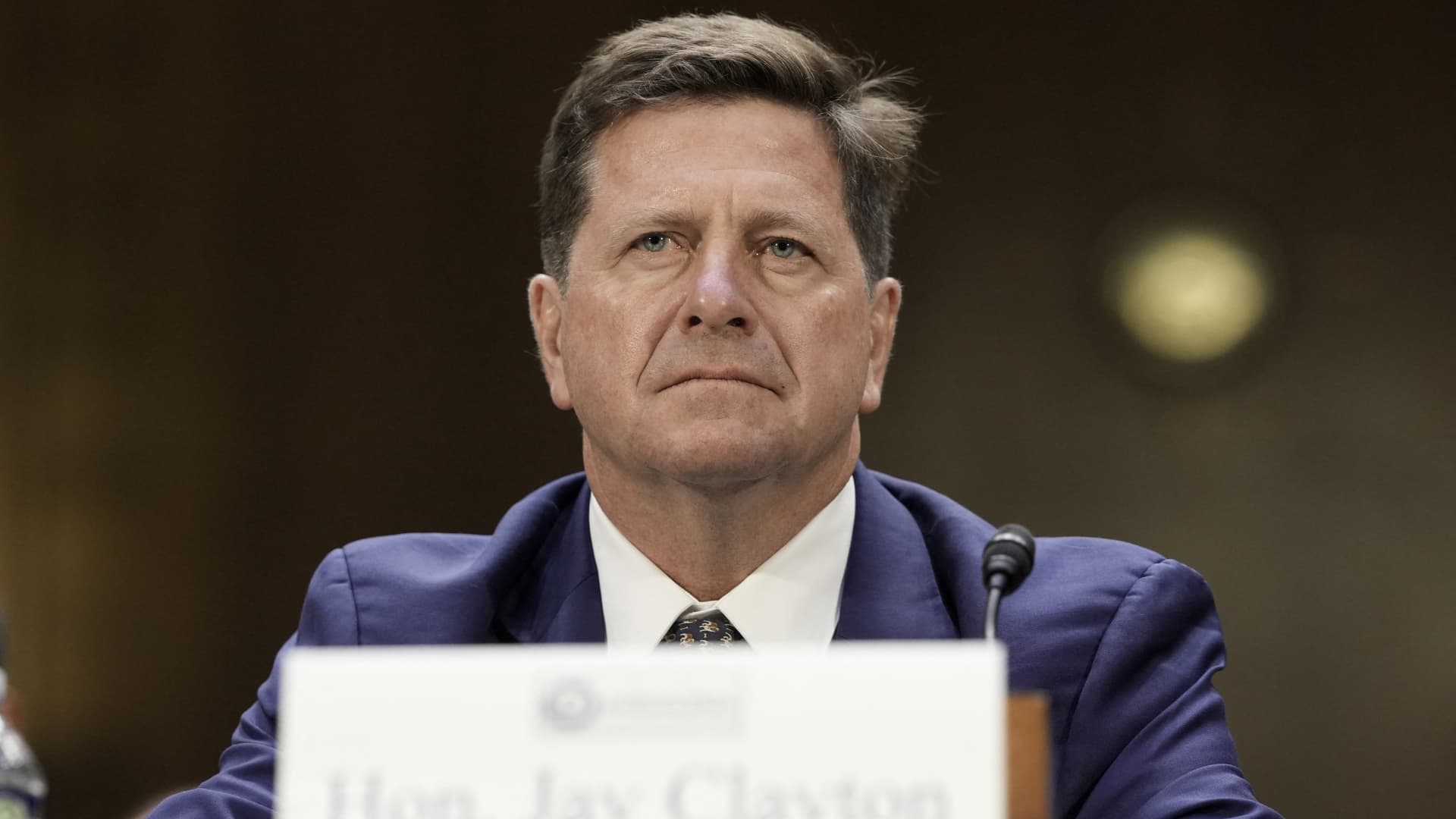
Jay Clayton, President Donald Trump’s nominee to run U.S. national intelligence, declined during a Senate confirmation hearing Wednesday to state that Joe Biden won the 2020 presidential election. For investors, the fight matters because the director of national intelligence sits near the center of U.S. security policy, a role that can shape geopolitical risk, surveillance authority and confidence in government institutions.
Clayton, a former Securities and Exchange Commission chair who is now U.S. attorney for the Southern District of New York, appeared before the Senate Select Committee on Intelligence after an earlier hearing planned for June was halted by Trump. The committee is expected to vote on his nomination next week. If Clayton clears the panel, the full Senate would then consider him.
The director of national intelligence, often called the DNI, coordinates the country’s 18 intelligence agencies and has access to some of the government’s most sensitive information. Clayton is seeking the post after Tulsi Gabbard announced in May that she would leave the job. Bill Pulte, director of the Federal Housing Finance Agency and a Trump ally, later became acting DNI.
Election questions dominate the hearing
Democrats repeatedly questioned Clayton about his views on election integrity. Asked several times whether Biden won the 2020 election, Clayton did not answer directly and instead said, “I am not an election denier. Joe Biden was certified.”
Sen. Jon Ossoff, D-Ga., pressed Clayton on whether he knew that Gabbard had been present earlier this year during a raid at a Fulton County, Georgia, election office. Clayton said he learned about Gabbard’s involvement from Ossoff during a private meeting earlier in the week. When Ossoff asked whether a DNI should oversee domestic search warrants at sensitive election sites, Clayton did not give a yes-or-no answer.
Ossoff told Clayton that his answers and testimony lacked credibility, and at another point described Clayton’s responses as disqualifying.
Sen. Angus King, I-Maine, also asked Clayton to clarify remarks he made during a June appearance on CNBC’s “Squawk Box,” when Clayton said the U.S. had a serious problem with voting and election integrity. Clayton told King that he had been referring to what he viewed as weak audit trails in some election systems. Asked whether voter fraud is a problem in U.S. elections, Clayton said the country cannot say definitively until it has better processes.
Subpoenas and surveillance law draw scrutiny
Clayton also faced questions from Sen. Michael Bennet, D-Colo., and Sen. Kirsten Gillibrand, D-N.Y., about subpoenas issued to New York Times reporters. The Times said the subpoenas were delivered Friday, including to some reporters’ homes, after coverage of security concerns tied to a new Air Force One gifted to Trump by Qatar.
The subpoenas ordered the reporters to appear before a grand jury Wednesday regarding an alleged federal criminal law violation. Clayton said he could not discuss the details of the investigation, but said he was confident the procedures in place protect the First Amendment and press freedom and do not intimidate journalists.
The nomination fight has unfolded alongside a broader dispute over Section 702 of the Foreign Intelligence Surveillance Act, a legal authority for foreign surveillance. Trump said in June that he was pausing Clayton’s nomination in part because he wanted Congress to attach an election bill requiring photo identification and proof of citizenship to the renewal of that surveillance authority. CNBC reported that negotiations later collapsed and the program lapsed in June as Democrats objected to Pulte’s interim appointment.
Senate Intelligence Committee Vice Chair Mark Warner, D-Va., criticized the unusual path of the nomination, saying he could not recall another instance in which lawmakers from both parties tried to move quickly on a nominee only for the president to hold up that person himself.
This story draws on original reporting from CNBC.


