Consumer companies staying private as IPO path loses pull
Jersey Mike’s and Reformation listed into a thin consumer IPO market as private capital and secondary trading reduce pressure to go public.
By Theo Nakamura · Staff Writer
· 4 min read
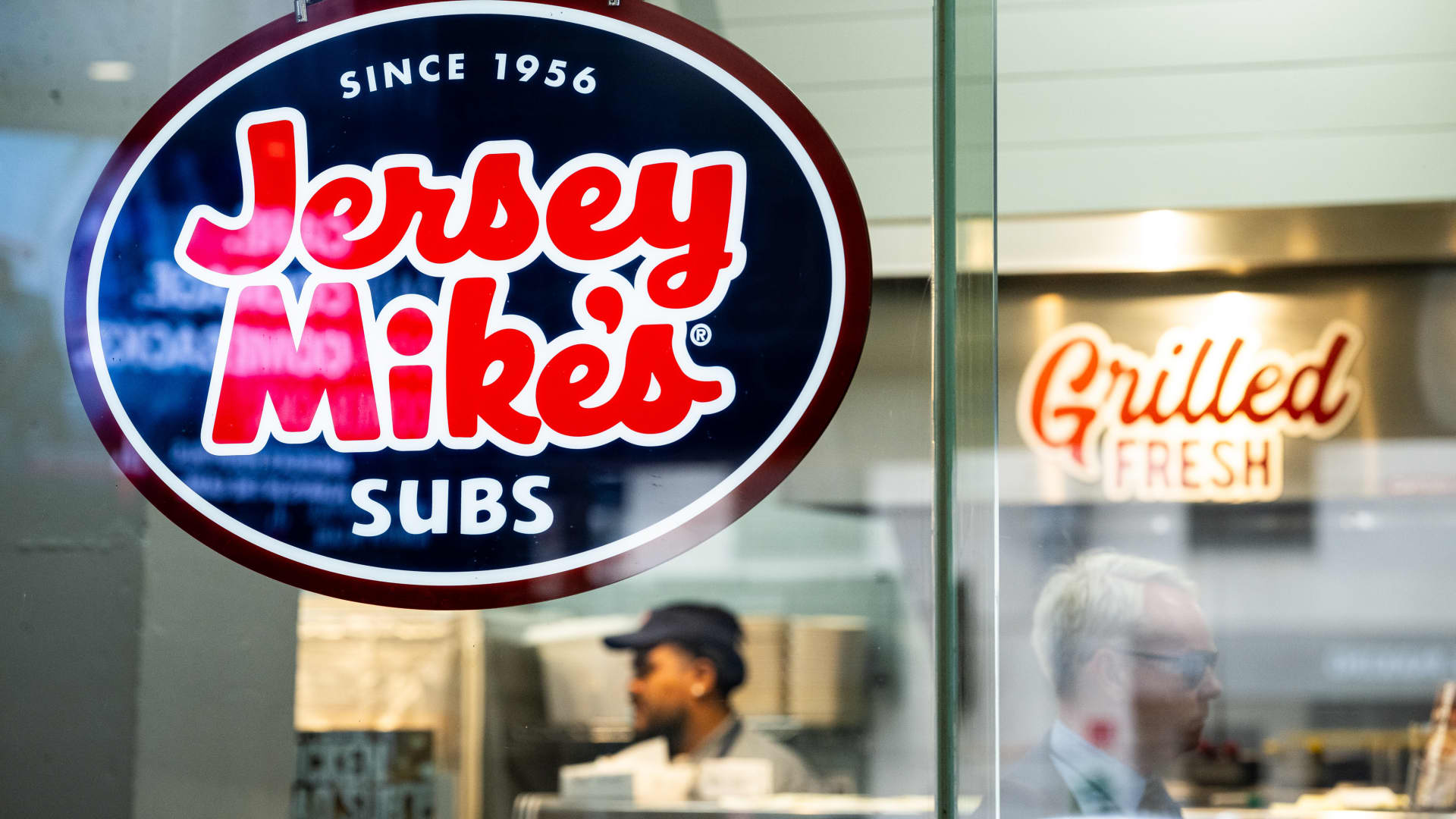
The consumer companies staying private trend is changing what retail investors can buy on public exchanges. Jersey Mike’s and Reformation made their market debuts Thursday, but experts told CNBC that easier private-market liquidity is reducing the pressure for brands to list.
An initial public offering, or IPO, is the first sale of a company’s shares to public investors on an exchange. For investors, fewer IPOs can mean fewer chances to own fast-growing consumer brands before they become mature public companies.
The contrast with 2021 is sharp. Nasdaq said it welcomed 743 IPOs that year, while the New York Stock Exchange said it added more than $1 trillion in new market capitalization, which is the stock market value of listed companies. Morningstar research found that 2021 IPOs raised almost $500 billion, about twice the number of deals and capital raised in 2020.
Some of that year’s best-known listings came from Coinbase, Roblox, Rivian and Warby Parker. Since then, the IPO market has slowed, even with SpaceX’s high-profile listing this year.
Why are consumer companies staying private?
Experts pointed to a bigger pool of private money and better ways for existing shareholders to sell stakes without a public listing. Mike Dinsdale, CEO of Powerlaw, a publicly traded fund that invests in private companies, told CNBC that there are fewer than 4,000 public companies today, compared with just under 8,000 three decades ago.
Dinsdale, who previously held executive roles at DoorDash and DocuSign, said access to nonpublic capital, private-market liquidity and large investment funds have reduced the urgency to go public. He also said rising interest from family offices, which are investment vehicles for very wealthy families, has added to the shift over the past five years.
Secondary markets are another reason companies can wait. A secondary market for private shares lets early investors, employees or other holders sell existing stakes to other investors before an IPO, giving them liquidity without forcing the company onto an exchange.
Sunaina Sinha Haldea, global head of Private Capital Advisory at Raymond James, told CNBC that private secondaries have become a “pressure release valve” for companies that once felt a clock pushing them toward public markets.
How did Jersey Mike’s and Reformation trade?
Jersey Mike’s and Reformation joined a short list of consumer and retail companies that have gone public in 2026, according to Renaissance data cited by CNBC. Reformation finished its first session essentially unchanged, while Jersey Mike’s opened $2 below its IPO price and closed down nearly 6%, according to CNBC.
Jason Yeh, co-founder of consumer-focused venture firm Patron, told CNBC that public-market volatility and weaker performance among listed consumer and retail stocks have made some companies more hesitant. He said large asset managers, hedge funds and other investors are willing to buy later-stage stakes in private companies, which can delay the need for an IPO while still giving earlier backers a way to cash out.
Yeh also said stronger overall liquidity could make both IPOs and acquisitions more attractive. He told CNBC some companies that could have gone public in recent years may aim to do so over the next 12 to 18 months.
What could make IPOs more appealing again?
Going public can still raise significant money. CNBC reported that SpaceX raised tens of billions of dollars through its IPO.
But the public-company tradeoff is visibility. Listed companies typically report quarterly earnings, which means investors and competitors see more financial detail. Dinsdale told CNBC that many founders prefer staying private because they keep more control over how much information becomes public.
Regulation is also part of the calculation. President Donald Trump has floated ending mandatory quarterly earnings reports, and CNBC reported that the Securities and Exchange Commission backed that idea earlier this year, which would let companies report twice a year instead. SEC Chairman Paul Atkins said in May that current rules include too much “rigidity” for companies and investors.
Sinha Haldea told CNBC that reporting, compliance, litigation risk and management time all add to the cost of being public. Her view is that the burden of being listed would need to ease before the choice between staying private and going public becomes more balanced.
This story draws on original reporting from CNBC.


