Dallas Fed’s Logan says rates may need to rise to tame inflation
Lorie Logan said recent price declines do not yet show inflation is returning sustainably to the Fed’s 2% target.
By Jordan Bell · Startups & Deals Reporter
· 3 min read
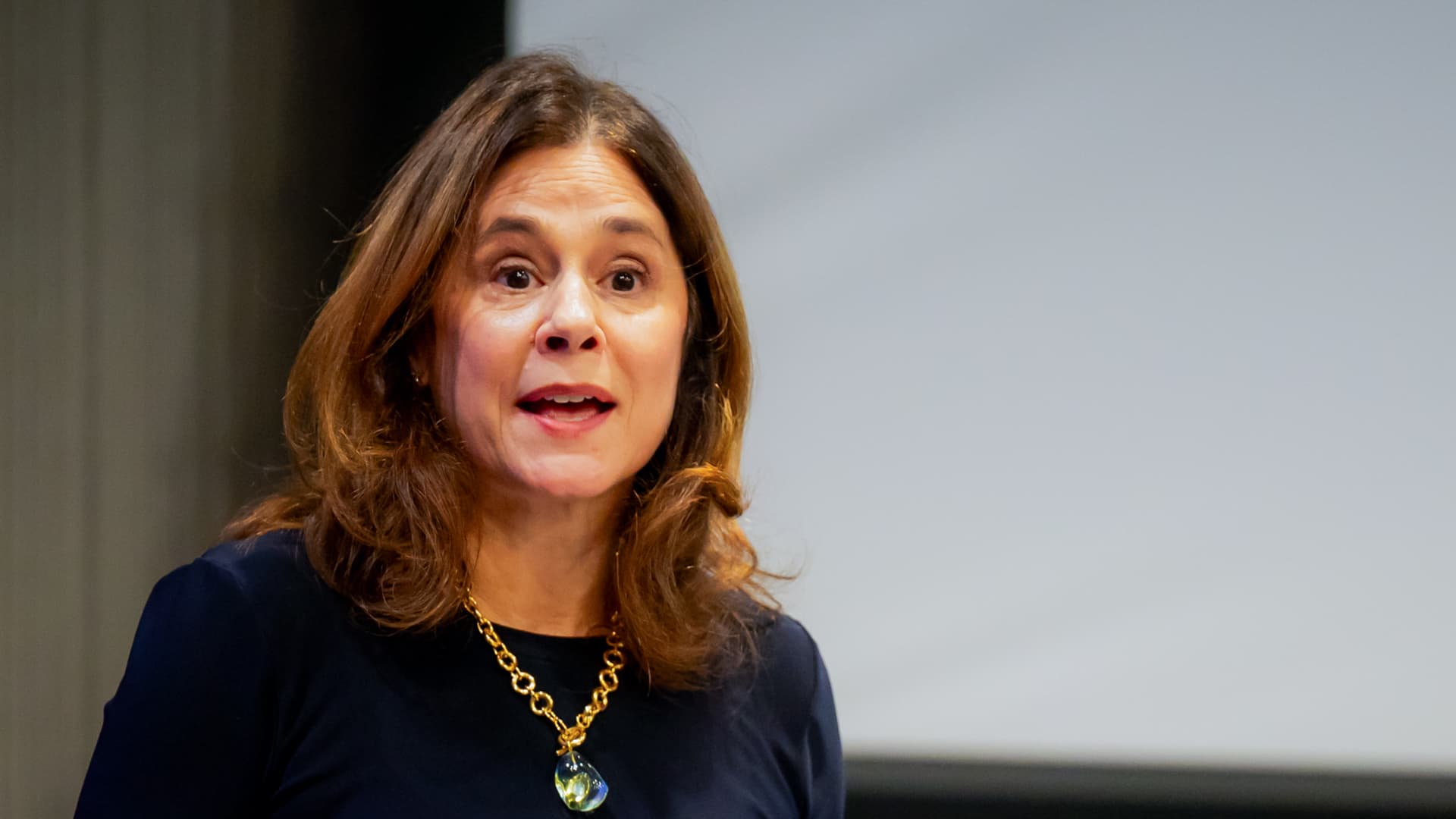
Dallas Federal Reserve President Lorie Logan said Thursday that interest rates should be “modestly” higher, keeping pressure on inflation even after a week of cooler price data. For everyday investors, the signal is clear: the debate inside the Fed is not only about when rates come down, because some policymakers still see inflation as too high.
Logan, who votes this year on the Federal Open Market Committee, made the case in prepared remarks for a speech in Houston. The FOMC is the Fed panel that sets the central bank’s key short-term interest rate, which can ripple through credit cards, auto loans, mortgages, savings yields and business borrowing costs.
“I currently believe modestly higher interest rates would better balance the outlook and risks for the FOMC’s dual mandate goals,” Logan said. The Fed’s dual mandate refers to its two main jobs: keeping prices stable and supporting maximum employment.
Logan said inflation remains a problem for households even after the latest government reports showed prices easing in June. “Every month of above-target inflation has compounded the strain on Americans’ budgets,” she said.
Cooler monthly data, but annual inflation remains above target
The Bureau of Labor Statistics reported earlier this week that consumer prices fell 0.4% in June, the largest monthly drop since April 2020. The agency also reported that wholesale prices declined 0.3% for the month.
Those monthly declines were helped by lower oil prices, according to the data cited by CNBC, while some other major categories, including housing, also cooled. Logan said one month of better numbers does not prove inflation is on a path back to the Fed’s 2% goal.
The year-over-year readings remain higher than the Fed wants. Consumer prices were up 3.5% from a year earlier, while wholesale prices rose 5.5%, according to the Bureau of Labor Statistics. Inflation has been above the Fed’s target since early 2021.
“One month of relief is not enough. It is time to finish the job of restoring price stability,” Logan said. She added that inflation does not appear to be moving “sustainably” all the way back to 2%.
Markets see a later move as more likely than July
Investors are already pricing in some chance of tighter policy later this year. CME Group’s FedWatch tool, which tracks pricing in fed funds futures, showed markets expecting a quarter-point rate increase later in the year, possibly in September but more likely in October.
The Fed’s next policy meeting is scheduled for July 28 and 29. Traders were pricing a 12.3% probability of a rate increase at that meeting, according to CME Group’s tracker.
Logan did not say she would seek a rate hike at the July meeting, and she did not specify how much higher she thinks rates should go. Her remarks were more specific than those of other Fed officials who have said they would prefer higher rates if inflation does not improve, according to CNBC.
Logan pointed to standard inflation readings and alternative measures, including core prices excluding housing, to argue that price pressures remain too high even with cheaper energy and fading tariff effects. Core inflation strips out some categories to give policymakers another view of underlying price trends.
“If inflation is not heading all the way to 2 percent on its own, then at least some policy restriction is needed to help get it there,” Logan said. She warned that if higher inflation becomes entrenched, the Fed could need sharper rate increases later, with a greater cost to the labor market.
This story draws on original reporting from CNBC.