Dario Amodei says Anthropic is not seeking an open-weight model ban
Anthropic’s CEO said the AI lab opposes broad bans while backing chip controls, distillation rules and safety tests for advanced models.
By Theo Nakamura · Staff Writer
· 3 min read
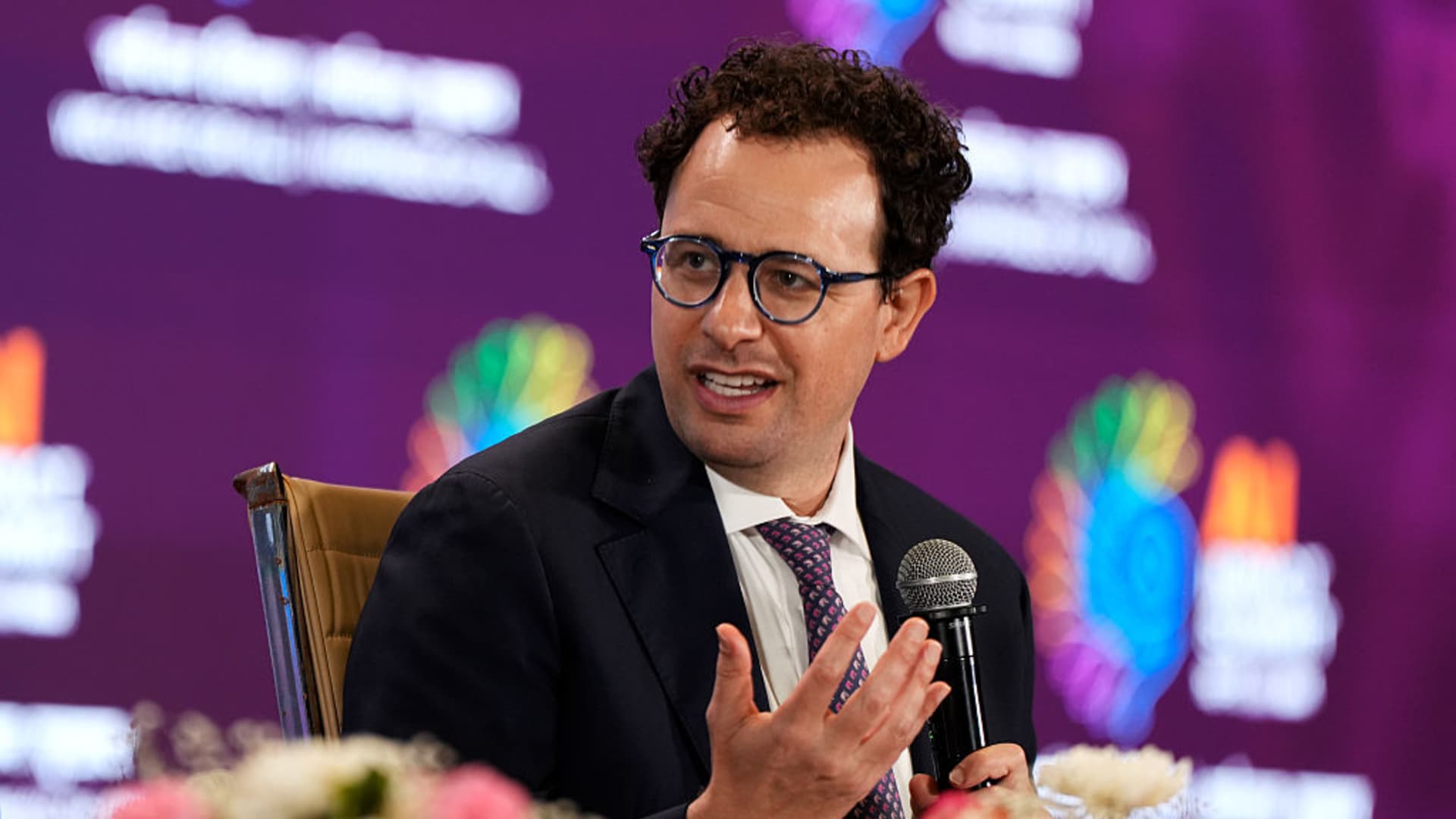
Dario Amodei open-weight models comments put Anthropic into the center of a growing AI policy fight on Monday. The CEO said in a blog post that Anthropic has not pushed for a ban on open-weight AI models, a distinction that matters for investors watching Nvidia, Microsoft, Meta, Palantir and other companies tied to the AI buildout.
Amodei wrote that Anthropic has “never advocated for a ban on open-weights models,” responding to criticism that the company wants too much control over how advanced AI develops. Anthropic is best known for Claude, a set of proprietary AI models it sells to businesses.
The clarification came after a group of technology companies, including Nvidia, Microsoft, Meta and Palantir, sent policymakers a letter last week asking them to avoid “premature restrictions” on open-weight models. OpenAI, Anthropic’s major rival, later added its name to that letter. Anthropic did not.
What are open-weight models?
Open-weight models are AI systems whose underlying model weights can be downloaded, modified and run by users on their own infrastructure. That makes them different from closed models, where a company typically hosts the model and sells access through an app or programming interface.
For users, open-weight models can mean more control over data, costs and customization. For policymakers, the same flexibility raises questions about misuse, because powerful models can be copied and run outside the original developer’s systems.
According to CNBC, Chinese startups currently lead the open-weight model market, and some U.S. officials have begun considering whether those models should face bans or restrictions in the United States.
Where Anthropic agrees and disagrees with the tech letter
Amodei said he agreed with parts of the industry letter. He said open-weight models can give customers more control, broaden access to the AI economy and increase competition in some situations.
He disagreed with other claims. In his post, Amodei said he does not accept the argument that open-weight models give cyber defenders an advantage over attackers. He also said he does not agree that open-weight models make it easier for users to build safeguards.
Amodei wrote that Anthropic’s position is to focus on three areas: keeping advanced chips away from authoritarian governments, stopping industrial-scale distillation and requiring safety testing for sufficiently capable AI models, whether they are open or closed.
Distillation is an AI training method where a smaller model is trained using outputs from a larger model that already exists. Anthropic told the U.S. Senate Committee on Banking, Housing, and Urban Affairs last month that China’s Alibaba, which develops the Qwen model family, had carried out what Anthropic described as the largest known distillation attack against the company to date.
The industry letter said concerns about unlawful distillation should be handled through targeted legal and commercial rules. Amodei said on Monday that he agreed with that approach.
What does this mean for AI regulation?
The debate is now less about whether open-weight models should exist and more about what rules should apply to the most capable systems. Amodei said broad protectionist bans would not address his biggest national security concerns.
That leaves Anthropic in a different position from companies that signed the letter, even though there is overlap. The company is not calling for a category-wide ban, according to Amodei, but it is arguing for stricter controls around chips, model copying and safety testing as AI systems become more powerful.
This story draws on original reporting from CNBC.