DoorDash Chinese AI models draw House lawmakers’ questions
House committee chairs asked DoorDash for records on Chinese AI use after posts described work with Moonshot AI’s Kimi model.
By Theo Nakamura · Staff Writer
· 3 min read
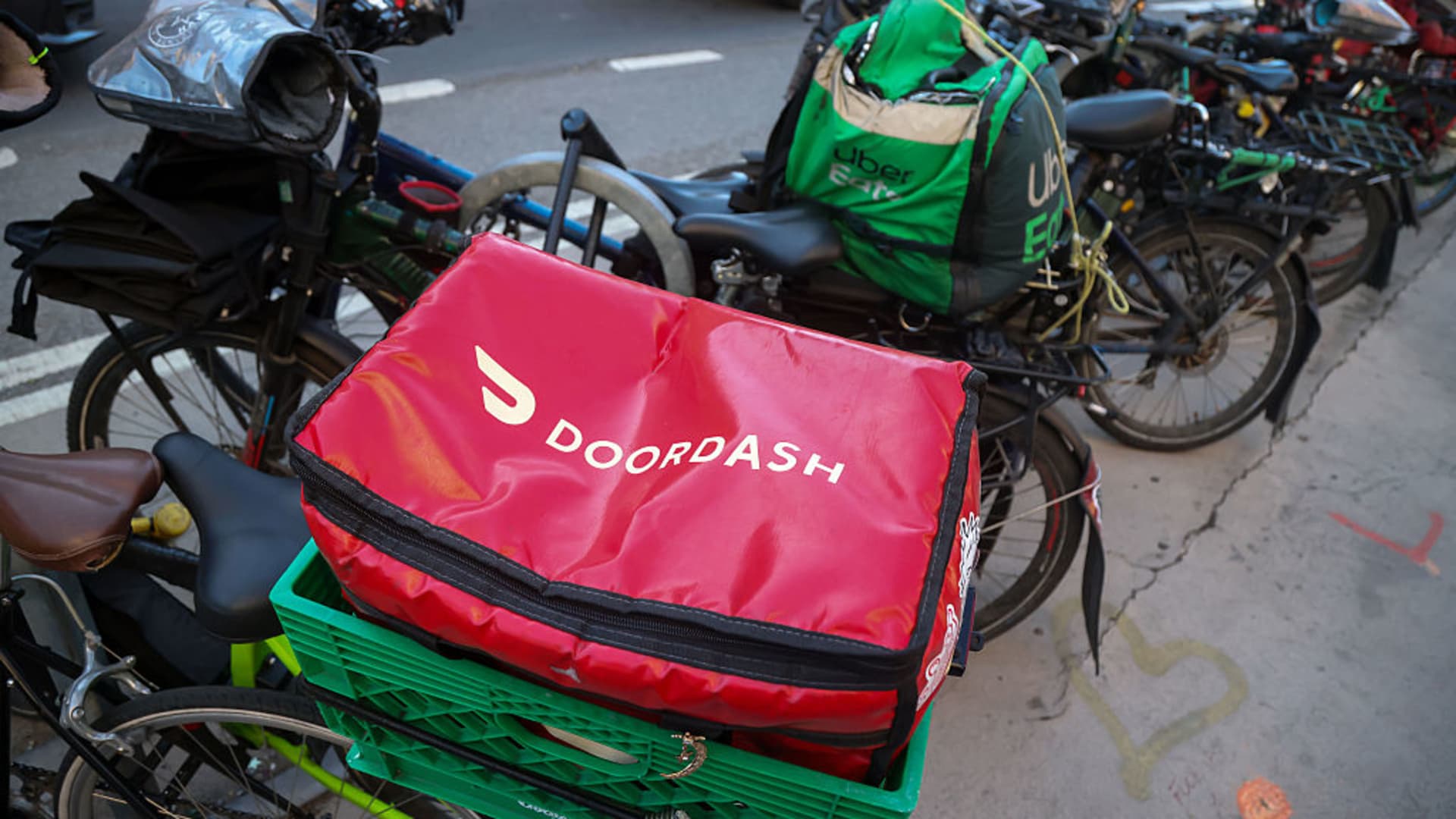
The DoorDash Chinese AI models inquiry puts a fresh policy risk on the radar for investors watching how U.S. companies cut AI costs. CNBC reported that two House committee chairmen asked DoorDash for records about its review and use of artificial intelligence systems developed in China.
According to a letter obtained by CNBC, the chairmen are conducting a joint investigation into the security implications of American companies using Chinese AI models. The request asks DoorDash to provide “information and documents” tied to how it evaluated and deployed those systems.
A DoorDash spokesperson told CNBC that the company “proudly supports American AI leadership” and is working so AI benefits “Main Street, not just the biggest companies.” The spokesperson said DoorDash expects to engage with the committees about its safe and responsible use of AI, including U.S.-developed frontier models and open-weight models.
Why are lawmakers asking DoorDash about Chinese AI models?
The congressional interest follows public posts on X about DoorDash’s AI work. CNBC reported that the House letter cited a post by DoorDash co-founder Andy Fang describing how the company was assigning lower-level AI tasks to Kimi K2.6, a model built by Chinese company Moonshot AI.
DoorDash’s AI research lab also said on X that Kimi K2.6 and Anthropic’s Fable 5 had performed far better than other Anthropic models it had used, including Sonnet 4.6 and Opus 4.8, at lower cost, according to CNBC.
An AI model is software trained to generate outputs such as text, code or analysis from prompts. An open-weight model can be downloaded, modified and hosted by a company itself, which can make it cheaper or more customizable than closed systems run only by their creators.
The House Committee on Homeland Security and the House Select Committee on the Chinese Communist Party are leading the review, CNBC reported. Earlier in the investigation, their chairmen sent letters to Cursor and Airbnb about potential exposure to risks from AI developed in China.
The DoorDash letter acknowledges why companies might test Chinese open-weight models: strong performance, lower prices, more flexibility and less dependence on a small group of proprietary AI providers. The letter says those business reasons do not remove the need for safeguards or ease national security concerns tied to reliance on models made by entities under Chinese jurisdiction.
What is the broader AI policy fight?
AI has become a major competition point between the U.S. and China. Andrew Garbarino, chairman of the House Committee on Homeland Security, previously told CNBC that the Chinese Communist Party is closing the gap in AI capabilities that could shape cybersecurity.
Garbarino also told CNBC that reports of a Chinese open-weight model matching top U.S. systems on some vulnerability-discovery and cybersecurity tasks were “highly alarming.” CNBC reported that Moonshot AI claimed this month that its Kimi K3 open-weight model had largely narrowed the performance gap with leading U.S. models.
Some government departments have barred use of Chinese AI models such as DeepSeek, CNBC reported, but U.S. companies are not broadly prohibited from adopting them. Tech leaders including Coinbase CEO Brian Armstrong and Lindy founder Flo Crivello have publicly discussed using Chinese models to lower costs, according to CNBC.
For investors, the issue is less about one DoorDash feature and more about the cost, security and regulatory trade-offs behind corporate AI spending. The committees’ letter says a federal approach should examine U.S. companies’ reliance on People’s Republic of China-developed models while improving the availability, security and competitiveness of American open-weight alternatives.
This story draws on original reporting from CNBC.


