Europe heatwave nuclear power strains cooling systems and grid reserves
Heat and drought are curbing reactor output from Romania to France, showing why short-lived cooling limits can matter for power supplies.
By Theo Nakamura · Staff Writer
· 3 min read
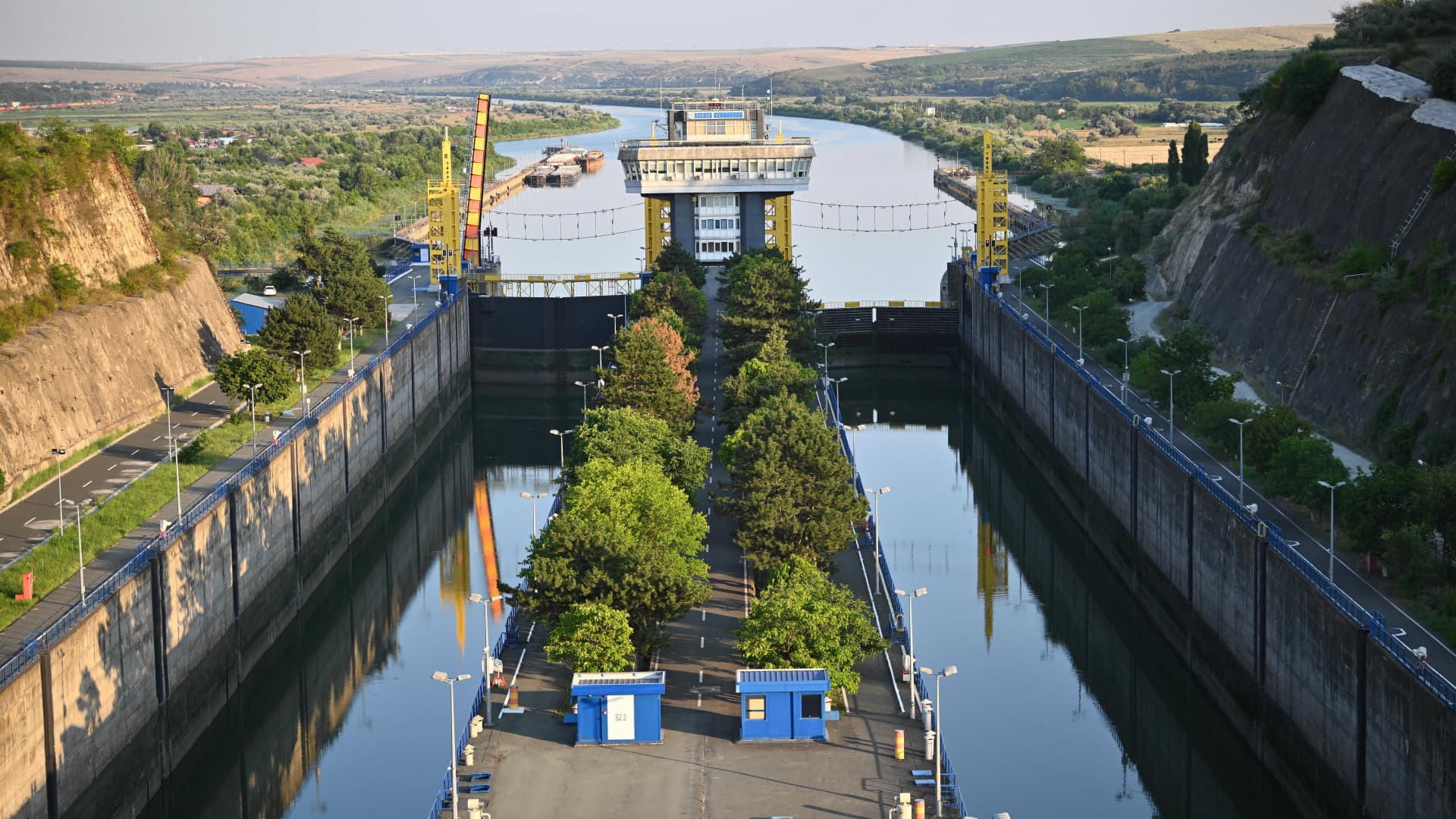
Europe heatwave nuclear power disruptions are putting a practical limit on generation just as hot weather can lift electricity use for air conditioning. Low water on the Danube has threatened reactor operations in Romania and Hungary, while France’s EDF has cut output at several reactors for environmental reasons, according to CNBC and Deutsche Welle.
For investors and households, the immediate issue is available electricity at the hours it is needed, not only a country’s annual nuclear output. A reactor that reduces production during a heat wave can leave grid operators with less room to meet higher demand, particularly when neighboring countries are coping with the same weather.
Why does heat force nuclear plants to reduce output?
Nuclear stations commonly draw on river or coastal water to cool their systems. Deutsche Welle explains that only about one-third of the heat created in a reactor becomes electricity. The rest must be released through cooling equipment.
When a river runs low, the remaining water absorbs that waste heat more quickly. Warmer water also holds less oxygen, and operators must meet temperature rules intended to protect fish and other river ecosystems. Deutsche Welle says summer output reductions are generally environmental safeguards, rather than emergency shutdowns caused by reactor-safety concerns.
Romania used river works to protect cooling-water flow
Romania’s state nuclear producer, Nuclearelectrica, warned that it could shut its last operating reactor as Danube levels continued to fall, CNBC reported on Aug. 12. The Cernavodă plant’s two reactors typically provide about one-fifth of Romania’s electricity, CNBC said.
Romania declared an energy emergency through August and used several measures aimed at improving water access for Cernavodă’s cooling systems. CNBC reported dredging of the river channel, the placement of rock-filled barges and a controlled underwater explosion on the riverbed by naval forces. The stated aim of the blast was to improve water flow toward the plant.
Hungary’s Paks station also faced low Danube levels. Reports described conditions changing after rainfall, but differed on the plant’s operating-unit details. The shared point is that the water shortage restricted output at a facility that supplies a substantial portion of Hungary’s electricity, according to CNBC and Deutsche Welle.
Short-term capacity can be tighter than annual production data suggests
France illustrates the distinction. A 2023 report by France’s official audit office, cited by Deutsche Welle, estimated that high water temperatures and low river levels reduced annual nuclear production by less than 1% in every year from 2000 through 2022. The loss was about 1.5% during the exceptionally hot summer of 2003.
Yet late-June and mid-July heat waves in 2026 temporarily limited France’s maximum available nuclear capacity by 8 to 9 gigawatts, Deutsche Welle reported. That was up to one-fifth of the capacity normally available in a French summer. The figure does not equal an electricity shortfall: some reactors might otherwise have run below full output because of lower summer demand, solar generation or grid bottlenecks.
Grid operators said France retained adequate reserves through those episodes and remained a net electricity exporter, according to Deutsche Welle. EDF also shut three reactors at Gravelines after what it called a “massive influx of jellyfish,” CNBC reported.
CNBC reported that governments are considering more or upgraded cooling systems and maintenance schedules that avoid expected heat periods. Those remain options under exploration, rather than confirmed fixes.
This story draws on original reporting from CNBC.