Fed meeting takeaways: Hold, three dissents and no September signal
The Fed held rates steady, but three dissents and a jump in long-term yields left investors with little clarity on September.
By Theo Nakamura · Staff Writer
· 3 min read
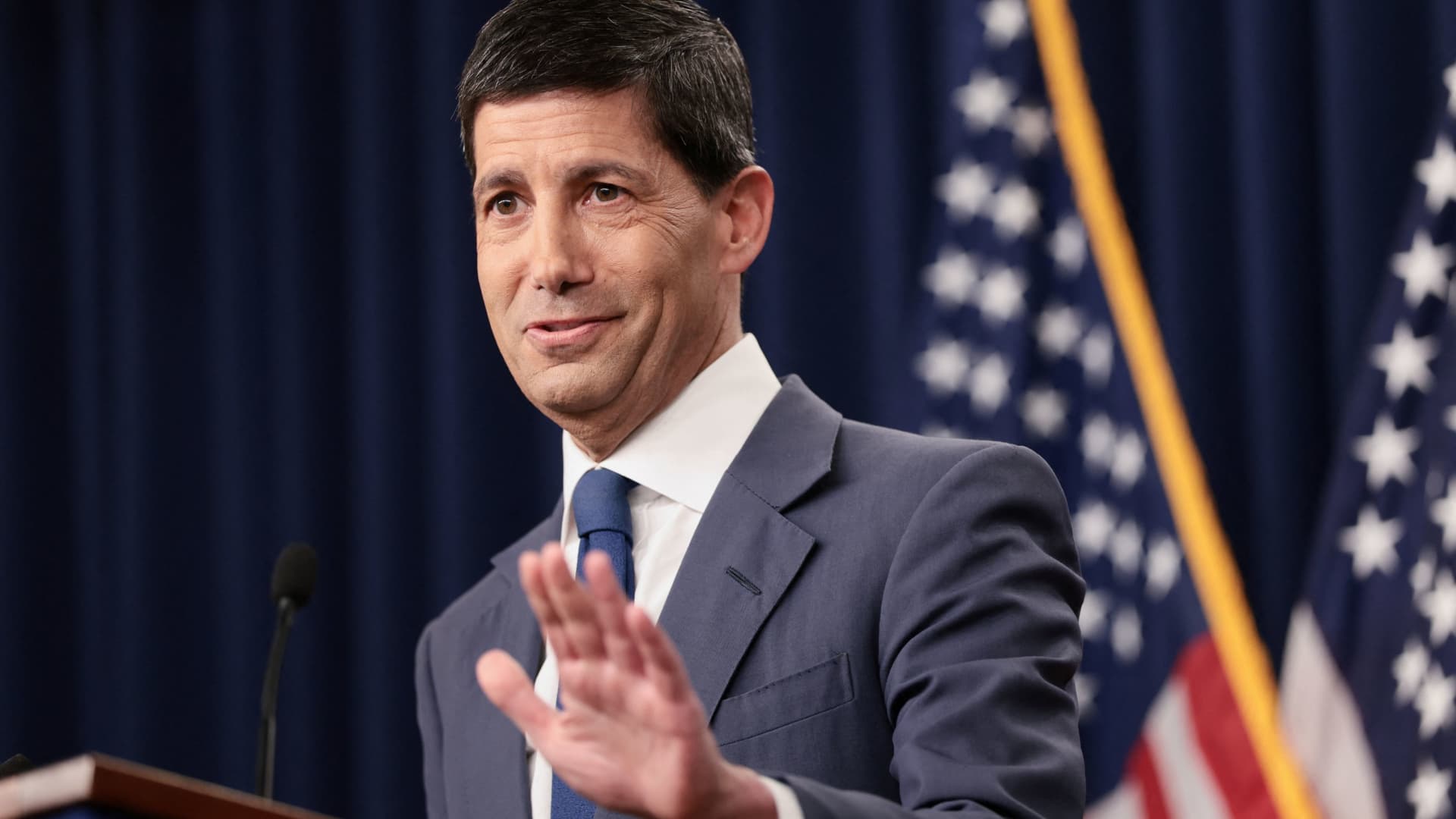
The main Fed meeting takeaways for investors came from the split behind a decision that left interest rates unchanged Wednesday. The Federal Reserve held policy steady, as expected, while three officials pushed for a quarter-point rate increase, a sign that inflation concerns remain live inside the central bank.
The Federal Open Market Committee, the Fed panel that sets short-term interest rate policy, did not offer a clear signal about its Sept. 15-16 meeting. Chair Kevin Warsh also gave limited direction in his press conference, according to CNBC, leaving investors to weigh the dissents, the brief policy statement and a sharp move in long-term Treasury yields.
What happened at the Fed meeting?
The Fed kept rates unchanged after its two-day meeting. Three regional Fed presidents voted against that decision and favored a quarter-point hike: Dallas Fed President Lorie Logan, Minneapolis Fed President Kashkari and Cleveland Fed President Beth Hammack, according to CNBC.
Warsh described the debate as healthy disagreement rather than a breakdown. “I asked for a good family fight, and I got one,” he said. “That’s the purpose. That’s the design feature.” He added that officials had “a lot more interaction” and called the debate “a real family fight.”
The Fed’s written statement stayed short. CNBC reported that aside from listing the dissenting votes, the statement was unchanged from the prior version and remained much shorter than the Fed’s usual format. Warsh said the statement was meant to stick to “just the facts” and avoid forecasting at a time of uncertainty.
Why did bond yields react?
CNBC reported that the bond market moved sharply after the decision. Long-term Treasury yields rose, while the two-year yield, which is more closely tied to expectations for Fed policy, dipped.
The 30-year Treasury yield climbed 11.5 basis points to 5.211%, its highest level since 2007, according to CNBC. A basis point is one one-hundredth of a percentage point, so the move reflected a notable repricing in long-term borrowing costs.
CNBC framed the move as a market signal that investors expect the Fed to keep near-term rates restrained while risking more inflation later. That reaction contrasted with Warsh’s repeated message that the Fed remains focused on controlling inflation.
Warsh warned that the job would take time. “We’ve got no magic wand,” he said. “This isn’t something that we’re going to be able to carry out in days or weeks.”
What does this mean for September?
The Fed gave investors no clear roadmap for the September meeting. The statement did not include forward guidance, which is central-bank language about where policy may go next, and Warsh did not say whether he would support a hike.
“So I take seriously that the pullback of forward guidance requires some transition,” Warsh said. “Reform isn’t easy, but our general judgment is going to help us make better decisions, and in so doing, satisfy our remit.”
Krishna Guha, head of global policy and central bank strategy at Evercore ISI, said September rather than July is when Warsh faces a bigger credibility test. Guha said that if inflation, war or energy prices run hot over the summer, Warsh may need to support a hike to protect his credibility.
Chris Rupkey, chief economist at Fwdbonds, was more critical. He said the Warsh-led Fed appeared to be ignoring the message from higher bond yields about inflation risk, adding that the bond market “wants answers” and is not getting them.
For retail investors, the immediate takeaway is uncertainty. The Fed held rates steady, but the dissents and the long-bond selloff showed that markets and policymakers are still debating whether inflation risk calls for tighter policy.
This story draws on original reporting from CNBC.


