Fed's Waller urges patience on rates but keeps hikes on the table
Christopher Waller said the Fed should wait for more inflation data, while warning that persistent price pressure could still require tighter policy.
By Dev Ramirez · Crypto Correspondent
· 3 min read
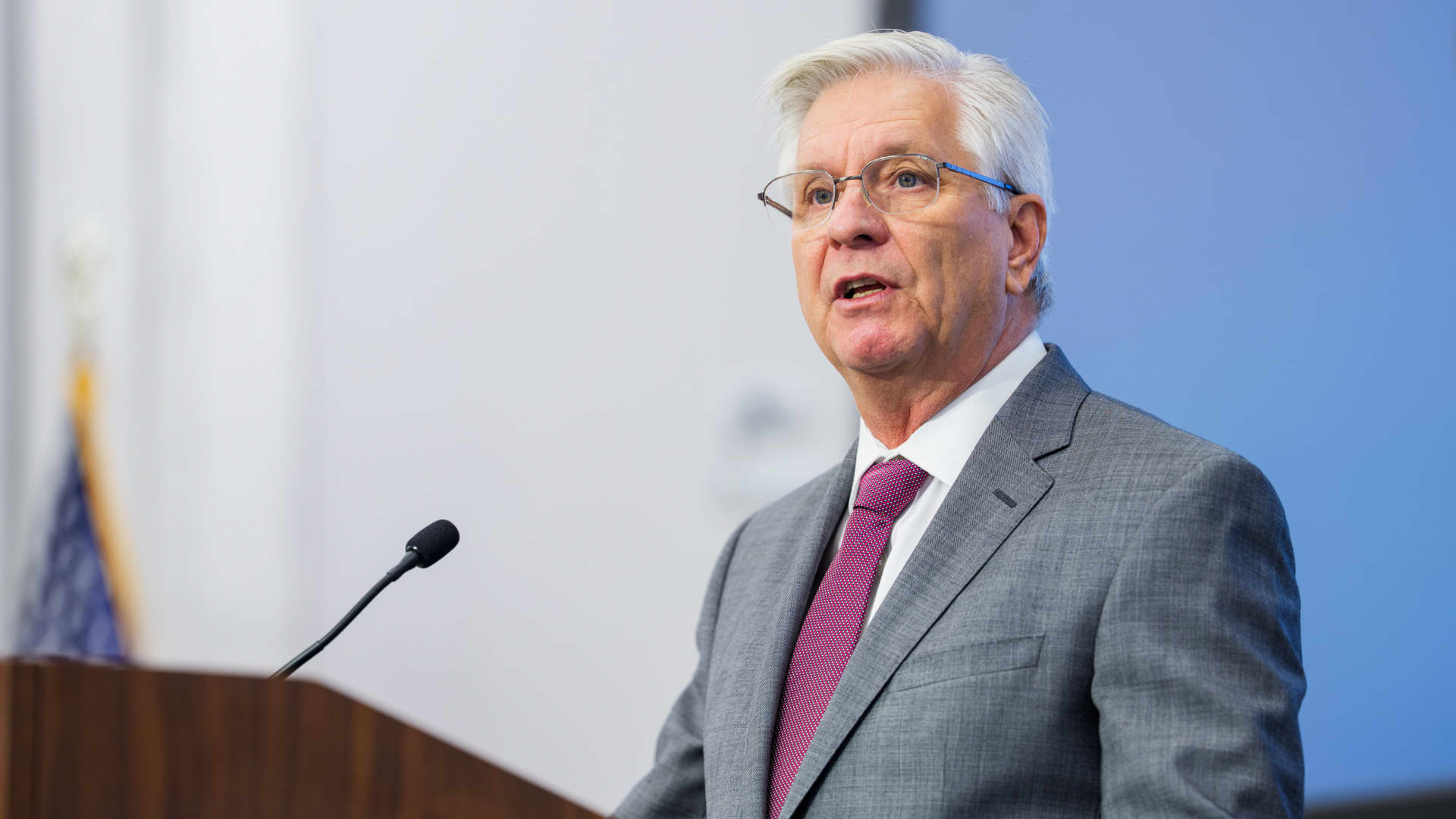
Federal Reserve Governor Christopher Waller signaled Monday that another interest rate increase is possible, but said the central bank should not rush before it has more inflation data. For everyday investors, the message is that borrowing costs, stock valuations and bond yields remain tied to a Fed that is still deciding whether inflation is cooling enough.
In prepared remarks for a speech in New York, Waller said inflation remains above the Fed’s 2% target and has been pushed by several forces, including tariffs put in place in 2025, higher energy prices linked to fighting in the Middle East, and demand spilling over from artificial intelligence.
Waller said the Fed made a mistake in 2021 by reacting too slowly to rising inflation, and he said he wants to avoid repeating that error. Still, he argued that the lesson from that period should not lead policymakers to raise rates automatically now.
“The desire to avoid past mistakes is often the author of new ones,” Waller said.
Interest rates are the Fed’s main tool for monetary policy, which means the way the central bank tries to influence inflation and the economy. Higher rates tend to make loans, credit cards and business financing more expensive, which can cool demand. Lower or steady rates can give the economy more room to run, but may leave inflation pressure in place if prices are still rising too fast.
Waller described two possible paths for inflation. He said there is “a credible case” that inflation could start moving lower, but also an “equally plausible” risk that it could remain high or rise further, which he said could require tighter monetary policy in the near term.
He pointed to two reasons the Fed may have more room to wait than it did during the earlier inflation surge. According to Waller, the labor market is stronger and is not a major driver of inflation. He also said inflation expectations, meaning what consumers, investors and businesses think inflation will be in the future, appear well anchored based on market measures.
Waller warned that stable expectations do not give the Fed permission to ignore inflation that is still above target. “Sternly staring at inflation until it melts before our withering gaze is not an option,” he said.
The next data point arrives Tuesday, when the Bureau of Labor Statistics is scheduled to release the June consumer price index. CPI tracks changes in prices paid by consumers. Economists surveyed by Dow Jones expect the headline index to fall 0.2% for the month, helped by a sharp drop in oil prices, while core CPI, which excludes food and energy, is expected to rise 0.2%.
On a year-over-year basis, the Dow Jones survey implies headline CPI would move down to 3.8% from 4.2% in May, while core CPI would ease to 2.8% from 2.9%.
Waller said he would welcome a softer core inflation reading, but added that one report would not be enough after inflation increased over the first half of the year. He said he would need several months of lower readings to be comfortable that inflation is moving in the right direction, and in that case he would keep the policy rate at its current target range.
The Fed’s next meeting is set for late July. According to CME Group, markets were pricing in about a 39% probability of a rate increase.
This story draws on original reporting from CNBC.