Greg Brockman takes wider OpenAI role as Simo steps back
OpenAI’s president will keep product oversight as the company faces IPO scrutiny, a rich valuation and tougher AI competition.
By Maya Okafor · Markets Writer
· 3 min read
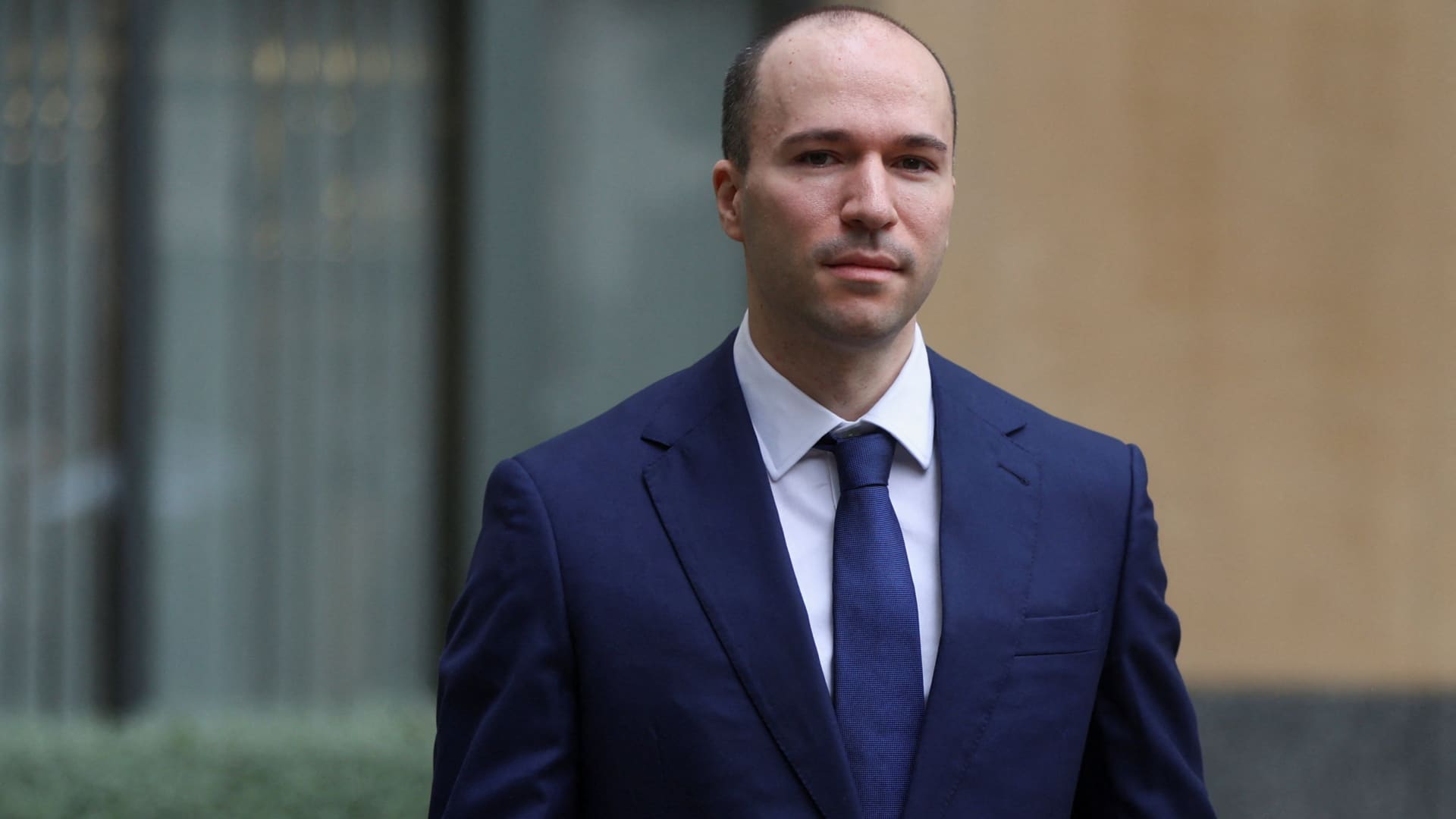
OpenAI is putting more operating power in the hands of President Greg Brockman, giving one of its co-founders direct oversight of the products and teams that drive much of the company’s business. For investors watching the expected initial public offering, or IPO, the move matters because leadership clarity is becoming part of the pitch around an $852 billion valuation reported by CNBC.
Fidji Simo, OpenAI’s product and business chief, said Thursday she is stepping down because of chronic illness and will become a part-time adviser, CNBC reported. Simo, a former Meta executive and former Instacart CEO, had been in the role for about a year, where she worked on OpenAI’s product road map and expansion.
Simo was diagnosed in 2019 with postural orthostatic tachycardia syndrome, known as POTS, according to CNBC. POTS is a chronic condition that can affect heart rate and blood flow when a person stands. She took medical leave in April before announcing the transition.
Brockman had already taken over product duties during Simo’s leave and will continue in that role, CNBC reported, citing a person familiar with OpenAI’s plans who requested anonymity because the details were confidential. The person said Brockman will oversee ChatGPT’s product business, go-to-market teams, enterprise teams and compute initiatives.
“I am deeply grateful for all Fidji has done for OpenAI and to advance our mission, and for the opportunity to have worked alongside her for the past few years,” Brockman wrote Friday in a post on X.
Why the role matters before a potential listing
Brockman reports to CEO Sam Altman. CNBC reported that he now faces pressure to grow revenue and support OpenAI’s valuation as the company prepares for what could be a major public-market debut. An IPO is when a private company sells shares to public investors for the first time.
OpenAI confidentially filed a prospectus with regulators in June, according to CNBC. A prospectus is the formal document companies give regulators and prospective investors before selling stock publicly. OpenAI has not announced when it plans to list, and CNBC reported that the debut is expected to be delayed until next year.
The company does not plan to hire a direct replacement for Simo, CNBC reported, citing the person familiar with the plans. Chief Financial Officer Sarah Friar and strategy chief Jason Kwon will report to Altman.
The leadership shift comes as OpenAI faces tougher competition. CNBC pointed to rivals including Anthropic, Google and Elon Musk’s SpaceX, as well as lower-cost open-weight models, mostly from China. Open-weight models make more of the model’s underlying parameters available to developers than closed systems do.
ChatGPT’s market share fell below 50% for the first time in March, according to a Sensor Tower report cited by CNBC. OpenAI has also been promoting Codex, its AI coding assistant, as it tries to attract more users.
Brockman’s long ties to Altman
Brockman co-founded OpenAI in 2015 with Altman, Musk and others. He has been closely aligned with Altman for years. When Altman was briefly removed as CEO in 2023, Brockman left the company in support of him, and both returned days later.
“Greg and I are partners in running this company,” Altman wrote in a blog post after his return as CEO. “We have never quite figured out how to communicate that on the org chart, but we will.”
Brockman and Altman were also central figures in Musk’s lawsuit against OpenAI. Musk alleged they had abandoned earlier commitments to keep the AI lab nonprofit, CNBC reported. In May, Brockman testified in federal court in Oakland, California, about OpenAI’s early history and disputed Musk’s version of events.
Musk lost the case after an advisory jury found he had waited too long to sue, and a federal judge immediately adopted the verdict, according to CNBC.
This story draws on original reporting from CNBC.


