Trump says US should be paid to guard the Strait of Hormuz
Trump told Fox News the U.S. would keep and “probably run” the key oil-shipping route amid renewed conflict with Iran, CNBC reported.
By Theo Nakamura · Staff Writer
· 3 min read
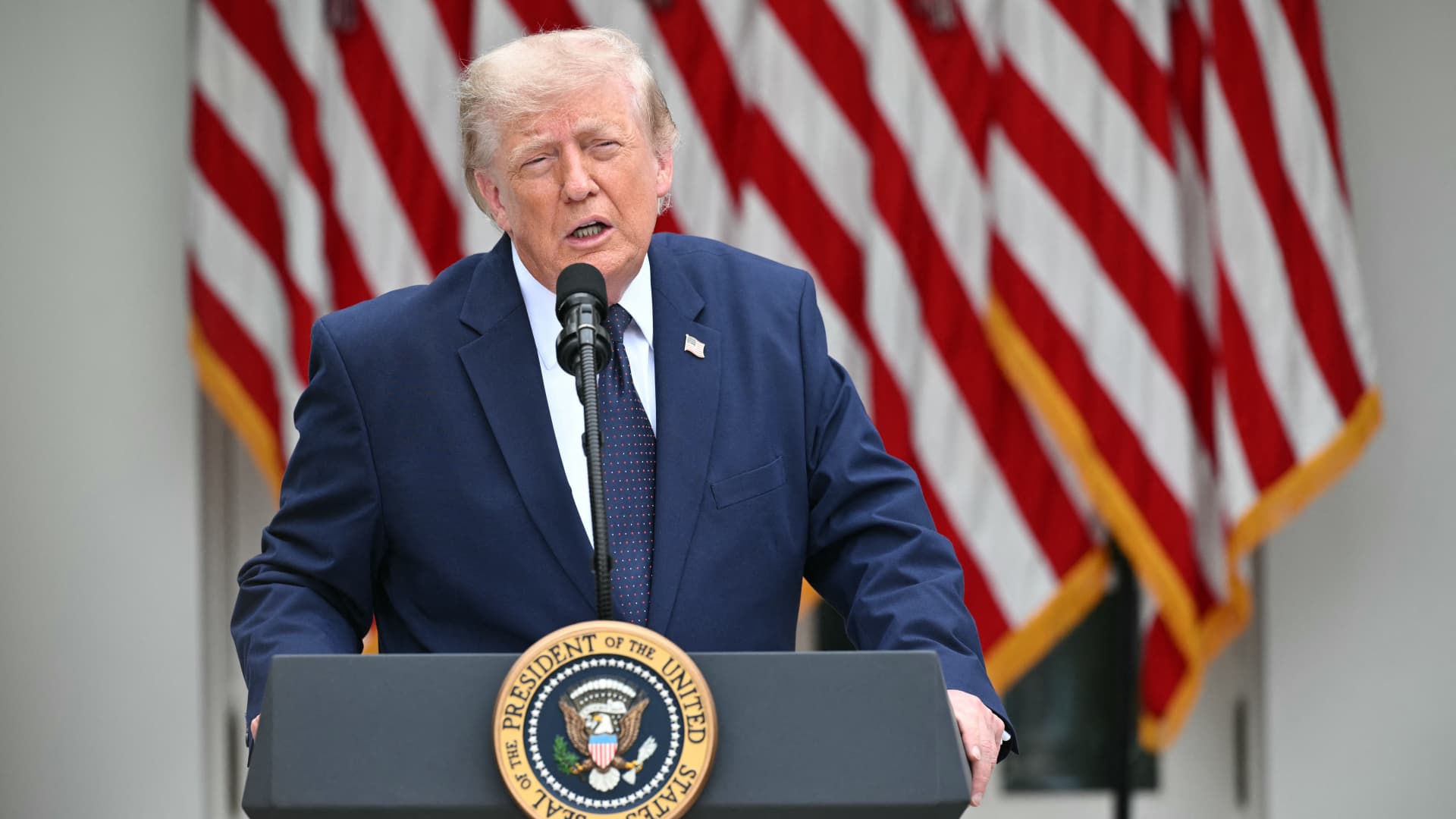
President Donald Trump said Monday that the U.S. should receive payment for protecting the Strait of Hormuz, a key route for global oil shipments. For investors, the comment puts a fresh political question around a waterway that can influence energy markets when tensions rise.
In a phone interview with Fox News, Trump said the U.S. is “going to get paid for guarding” the Strait of Hormuz, CNBC reported. He described the strait as a place the U.S. would “keep” and “probably run,” according to CNBC.
The Strait of Hormuz is a major oil-shipping route, CNBC reported. That means security around the strait can matter for crude oil, energy companies and the broader market, because oil is a core input for transportation, manufacturing and consumer prices.
What Trump said
Trump framed the U.S. role as a paid security service. “We’ll become the guardian of the strait — maybe we’ll call it the guardian angel of the strait,” he told Fox News, according to CNBC. “And we should be reimbursed for that.”
He also criticized the past U.S. approach to the waterway. “We can’t be expected to do that for nothing, unlike we had for many years,” Trump said, according to CNBC. “We guarded it for nothing, and now we’re going to guard it, we’re going to get paid for guarding it. A lot of money.”
The comments came as CNBC described the Strait of Hormuz as the center of a re-escalating war with Iran. CNBC also reported that the U.S. and Iran had exchanged strikes as the standoff around the strait intensified.
Why investors are watching
Oil markets are sensitive to conflict near major shipping routes because traders try to price the risk that supply could be delayed, rerouted or disrupted. A shipping route is a path used by tankers and cargo vessels to move goods, including crude oil, from producers to buyers.
When risk rises near a major oil route, crude prices can move as investors reassess supply. Higher oil prices can support some energy producers, but they can also raise costs for airlines, shipping companies and consumers. That is why geopolitical comments about the Strait of Hormuz can ripple beyond oil-focused portfolios.
Trump’s remarks, as reported by CNBC, did not spell out who would reimburse the U.S., how payments would be calculated or what authority would be used to collect them. The comments also did not include a specific timeline for any change in the U.S. role around the strait.
For now, the confirmed development is the president’s stated position: the U.S. should be paid for guarding the Strait of Hormuz. The market impact will depend on what, if anything, follows from that statement and how the conflict with Iran develops.
This story draws on original reporting from CNBC.


