Healey takes UK Treasury as gilt market tests Burnham agenda
John Healey’s first days as chancellor are putting UK borrowing costs, household bills and defense spending back in investor focus.
By Theo Nakamura · Staff Writer
· 4 min read
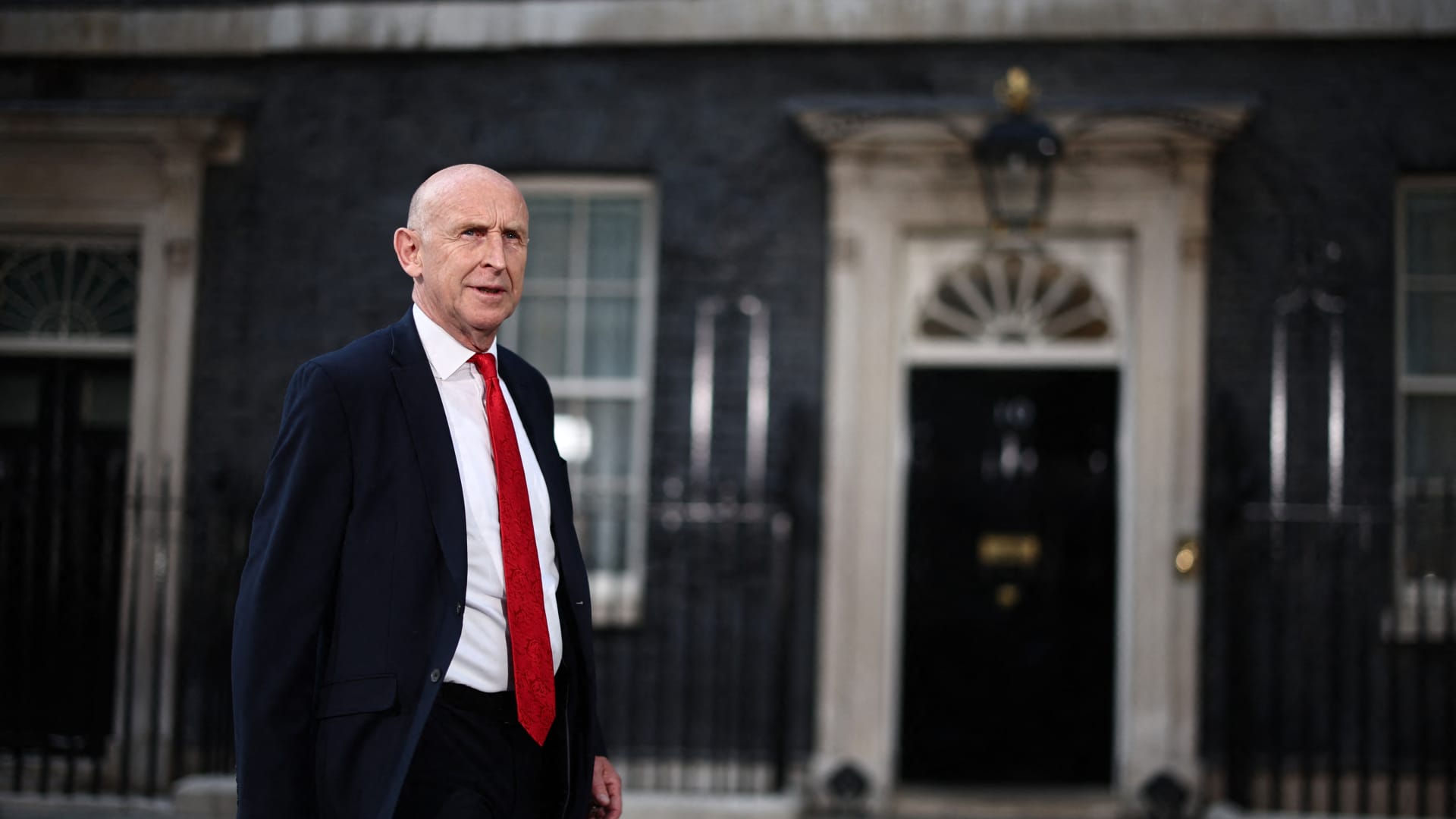
John Healey has taken over as the U.K.’s finance minister, putting bond investors on alert as new Prime Minister Andy Burnham starts work as the country’s seventh premier in 10 years. For everyday investors, the key market signal is the gilt market: gilts are U.K. government bonds, and their yields feed into wider borrowing costs, including mortgages and business loans.
Downing Street said Monday that Healey, previously defense secretary under Keir Starmer, had been appointed Chancellor of the Exchequer, the U.K. role that oversees taxes, spending and borrowing. His job now is to fund Burnham’s domestic promises while convincing markets that the government will keep public finances under control.
Burnham has promised faster housebuilding, help for households facing the cost-of-living squeeze and action on social care. He has also said he wants to be supportive of business, though details of his wider economic program remain limited.
First move targets energy bills
Burnham and Healey announced Tuesday that the government would cut the value-added tax on household electricity bills from 5% to 0% starting in October. They said the measure would cost £850 million in the 2026-27 fiscal year.
The government said it would pay for the cut by scrapping Starmer’s Digital ID program, which had been expected to cost £1.8 billion over three years. Healey said in a statement that the energy tax cut was aimed at giving families more room in their budgets and reassurance before winter.
The decision gives investors an early clue about Burnham’s priorities: easing household costs without adding unfunded spending, at least on this measure. That distinction matters because bond investors tend to demand higher yields when they think a government may borrow more without a credible funding plan.
Gilts are watching the fiscal rules
Former Chancellor Rachel Reeves had emphasized the government’s fiscal rules, which are limits designed to restrain borrowing and debt. Official data showed U.K. public sector net borrowing fell by one-third year on year in June as tax receipts increased and spending edged down. Borrowing for the April-to-June period was still the 10th highest since records began in the early 1990s.
Markets had generally viewed Starmer and Reeves as a steady pair on fiscal policy, according to CNBC. Gilt prices had swung sharply over the past two years when their positions looked under pressure, and borrowing costs spiked to a post-2008 high when Starmer faced pressure after local elections in May.
On Tuesday morning, gilt yields fell across maturities, suggesting investors were initially calmer about Burnham’s cabinet picks. Bond prices and yields move in opposite directions, so falling yields usually mean investors are more willing to hold the debt.
Over the past month, CNBC reported that the 10-year gilt yield rose about 19 basis points and the 30-year yield gained roughly 21 basis points. A basis point is one-hundredth of a percentage point. CNBC said part of the rise reflected the economic impact of the Iran war, which has pushed up borrowing costs across major economies, though U.K. yields remain well above G7 peers.
Business and defense costs loom
George Godber, manager of the £781 million Polar Capital UK Value Opportunities Fund, told CNBC’s “Squawk Box Europe” that recent gilt moves could be tied in large part to Burnham. He said a 50-basis-point move in gilts over a month would add about £80 to the average household mortgage cost, making the electricity-bill saving look modest by comparison.
Kate Shoesmith, director of policy and insights at the British Chambers of Commerce, told CNBC that the average small-to-medium U.K. business has faced a 72% increase in the “cost stack” from successive policy decisions. She said labor was the biggest cost and suggested the government examine measures such as a National Insurance break for hiring people under 25.
Defense spending is another pressure point. Gareth Davies, the opposition Conservative Party’s shadow business and trade minister, told CNBC the Autumn Budget would need to find nearly £5 billion for defense. Citi analyst Charles J. Armitage wrote Monday that Healey could be seen as positive for defense stocks, while noting that the new chancellor will face many competing spending demands.
JPMorgan Chase CEO Jamie Dimon also weighed in during a CNBC interview released overnight. Dimon said he wants Burnham to succeed, praised Reeves’ record and said the new chancellor would need policies that support growth.
This story draws on original reporting from CNBC.


