Hedge funds target UK policy shifts under Andy Burnham
Disclosed short bets against UK stocks jumped in early 2026 as investors weigh Burnham’s housing, utility and spending agenda.
By Theo Nakamura · Staff Writer
· 3 min read
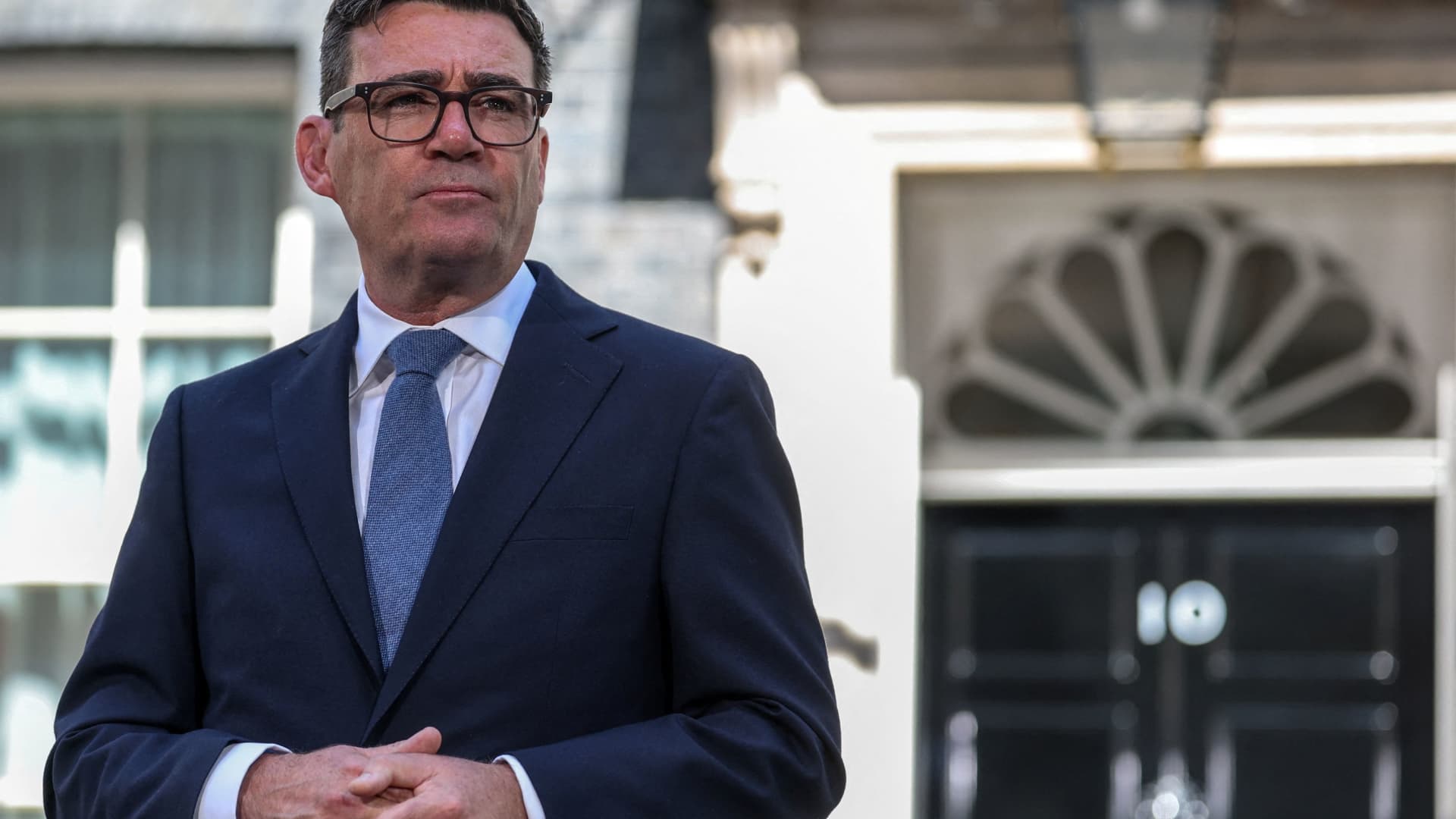
Hedge funds are stepping up bets around UK stocks as Prime Minister Andy Burnham begins reshaping economic policy. For retail investors, the key issue is dispersion: some companies may benefit from his cost-of-living agenda, while others could face tighter regulation, tax pressure or higher investment demands.
Publicly disclosed short positions in UK-listed companies rose sharply in the first half of 2026, according to an analysis by law firm White & Case. The number of UK companies with aggregate disclosed short positions equal to at least 5% of their shares reached 27, up from five in the same period a year earlier.
Short-selling means borrowing a stock and selling it in the hope of buying it back later at a lower price. It is a common hedge fund tool, but it can also signal where professional investors see stress in a company or sector.
Burnham took office this week as the UK’s seventh prime minister in 10 years. In his first speech Monday, he said he would lead a “cost-of-living government” and promised a “new economic model” built around a 10-year plan to reindustrialize Britain. Housing costs and utility affordability are among the early focus areas, according to CNBC.
Utilities draw scrutiny
Patrick Sarch, White & Case’s head of UK public M&A, told CNBC that the change in leadership is adding uncertainty across energy, utilities, transport and housebuilding. He said policy proposals, market reactions and decisions about what can be implemented could create a longer stretch of price uncertainty, giving short-sellers more room to act.
Burnham said Tuesday that he plans to remove sales tax from household electricity to ease pressure on consumers, according to CNBC. That puts utilities closer to the center of the political debate.
Alyx Wood, chief investment officer of Kernow Asset Management, told CNBC that his firm is negative on UK utilities. He cited heavy debt at some companies, regulatory and licensing pressure, operating challenges and the investment needed in water and power infrastructure.
“Normally utilities, in dangerous times, are your safe bets. Utilities are probably where we are most negative,” Wood told CNBC, pointing to weak water infrastructure, consumer dissatisfaction and regulatory uncertainty.
Housing policy splits the sector
Housing is another major area for investors watching Burnham’s agenda. The prime minister has said he wants more public housing and pledged Monday to end “rough sleeping,” a term used in the UK for people living on the street.
White & Case research showed homebuilder Vistry Group and building materials company Ibstock among the most heavily shorted UK companies in the first half of 2026. Aggregate short positions were almost 16% for Vistry and 13% for Ibstock, according to the firm.
Wood told CNBC that Kernow is short Vistry, citing its debt build-up, and long Berkeley Group, which he described as better positioned because of its balance sheet and planning-application management. He also said Galliford Try could benefit if affordable housing construction increases.
Investor concern around Burnham has centered on whether Labour will shift left and loosen fiscal policy, CNBC reported. His selection of John Healey as finance minister has helped calm markets to some degree, with Healey viewed as a steadier choice by investors cited by CNBC.
Edgar Allen, founder and chief investment officer of High Ground Investment Management, told CNBC by email that housebuilders and banks could face more taxes, though he said that risk is already reflected in lower valuations in those sectors. Allen said Burnham inherits high government spending, high debt, an “unsustainable” deficit and elevated gilt yields. Gilts are UK government bonds, and higher yields mean the government pays more to borrow.
Allen also pointed to economic growth and rising productivity as support for value in UK shares. He said he expects more takeover activity as foreign buyers pay high premiums for UK companies while still finding relatively low prices.
This story draws on original reporting from CNBC.


