HHS food ingredient oversight proposal would require GRAS notices
HHS proposed requiring food makers to tell the FDA when they deem an ingredient safe, expanding visibility without requiring premarket approval.
By Theo Nakamura · Staff Writer
· 3 min read
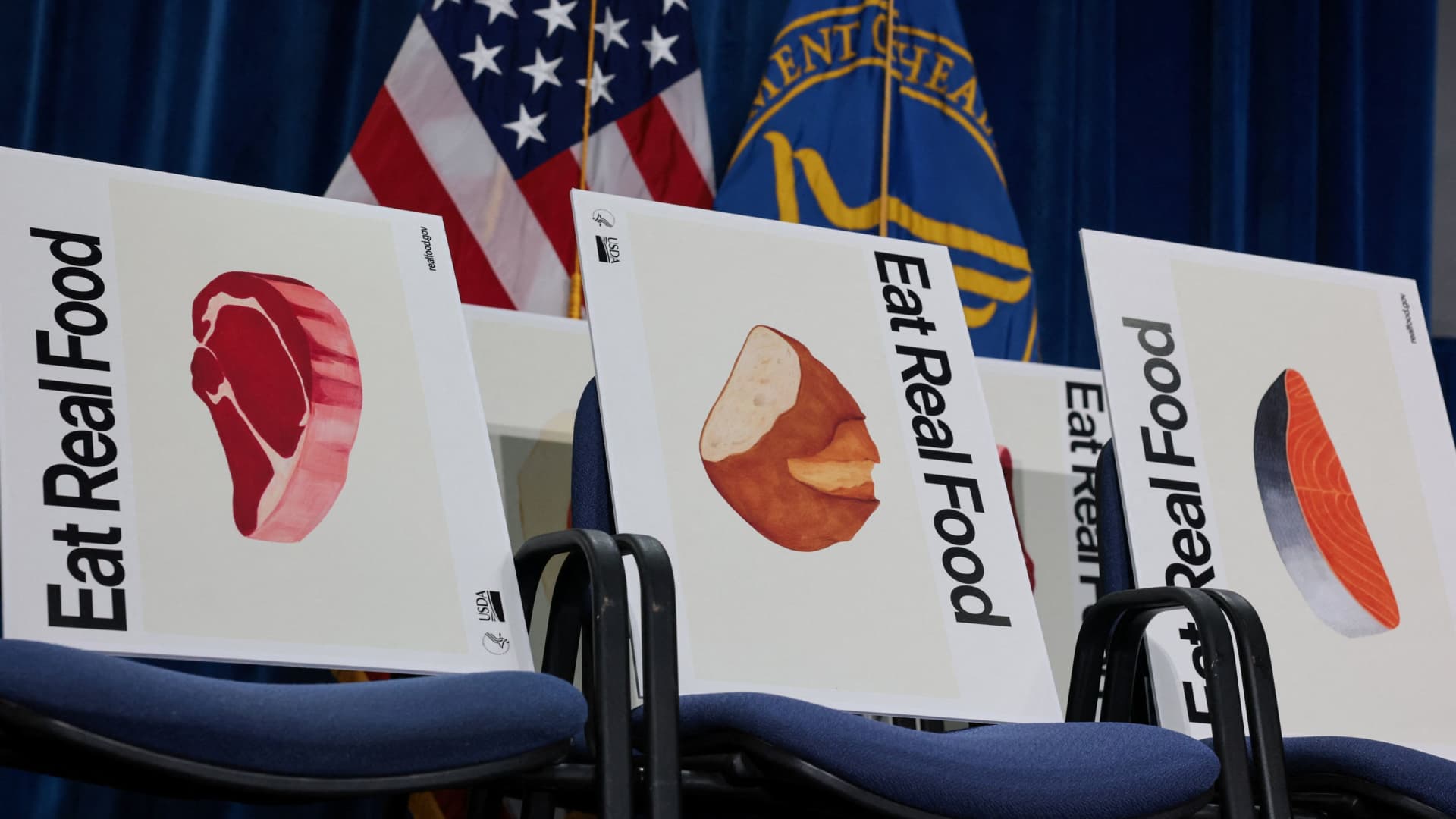
The HHS food ingredient oversight proposal would require manufacturers to notify the Food and Drug Administration when they conclude an ingredient is “generally recognized as safe,” or GRAS. For consumers and investors following large food companies, the key detail is that the plan would increase the FDA’s view of ingredients entering the market without requiring the agency to approve each one before sale.
The Department of Health and Human Services announced the proposal Monday, according to CNBC. It would replace the FDA’s longstanding voluntary GRAS notification practice with a required notice from companies that make their own GRAS determinations.
How would the HHS food ingredient oversight proposal change GRAS rules?
Food substances intentionally added to products generally need FDA premarket approval. GRAS is an exemption: an ingredient may qualify when qualified experts recognize it as safe for its intended use.
Under the current system, a manufacturer can determine on its own that an ingredient meets the GRAS standard and does not have to tell the FDA. Companies may voluntarily file a GRAS notice, which includes their safety rationale. The FDA can respond that it has no questions about the company’s conclusion, that the evidence is insufficient, or that it has stopped evaluating the notice, according to legal analyses by Holland & Knight and Latham & Watkins.
The newly reported proposal would make the notification step mandatory. Acting FDA Commissioner Kyle Diamantas said the initiatives would give the agency greater transparency into the number of ingredients in the food supply, CNBC reported.
That is different from a premarket approval rule. Companies would not need an FDA green light before bringing a GRAS ingredient to market under the proposal described by CNBC, and the proposal would not itself block market entry. It would instead require companies to disclose their determination to the regulator.
What happens next?
The proposal must go through public comment and the federal rulemaking process before any requirement can take effect. In March 2025, HHS Secretary Robert F. Kennedy Jr. had directed the FDA to explore ways to tighten or eliminate the self-affirmed GRAS route.
Whether the administration could eliminate that route outright remains unresolved. The American Bar Association and Latham & Watkins, in separate legal analyses, said doing so may require congressional legislation rather than agency action alone. HHS had said it was considering work with Congress on broader changes.
HHS and the Department of Agriculture also said they have sent the federal government’s first proposed definition of ultra-processed foods for final review. They did not disclose the definition. The agencies had requested input from researchers, industry and other stakeholders in July 2025.
The announcements arrived while federal and state officials were handling several foodborne-illness investigations, including salmonella and listeria probes, CNBC reported. The outlet also reported that the ingredient-policy moves did not appear to address the issues experts had identified as contributing to those outbreaks.
Kennedy has made food ingredients and ultra-processed foods a central part of his Make America Healthy Again agenda. In an HHS release cited by CNBC, he said nearly 60% of the American diet consists of ultra-processed foods and that childhood obesity affects more than one in five U.S. children.
This story draws on original reporting from CNBC.


