Hormuz shipping fight puts oil risk back on investors’ screens
A vague U.S.-Iran deal left tanker routes unresolved, and renewed attacks near Hormuz are pushing oil prices higher.
By Maya Okafor · Markets Writer
· 4 min read
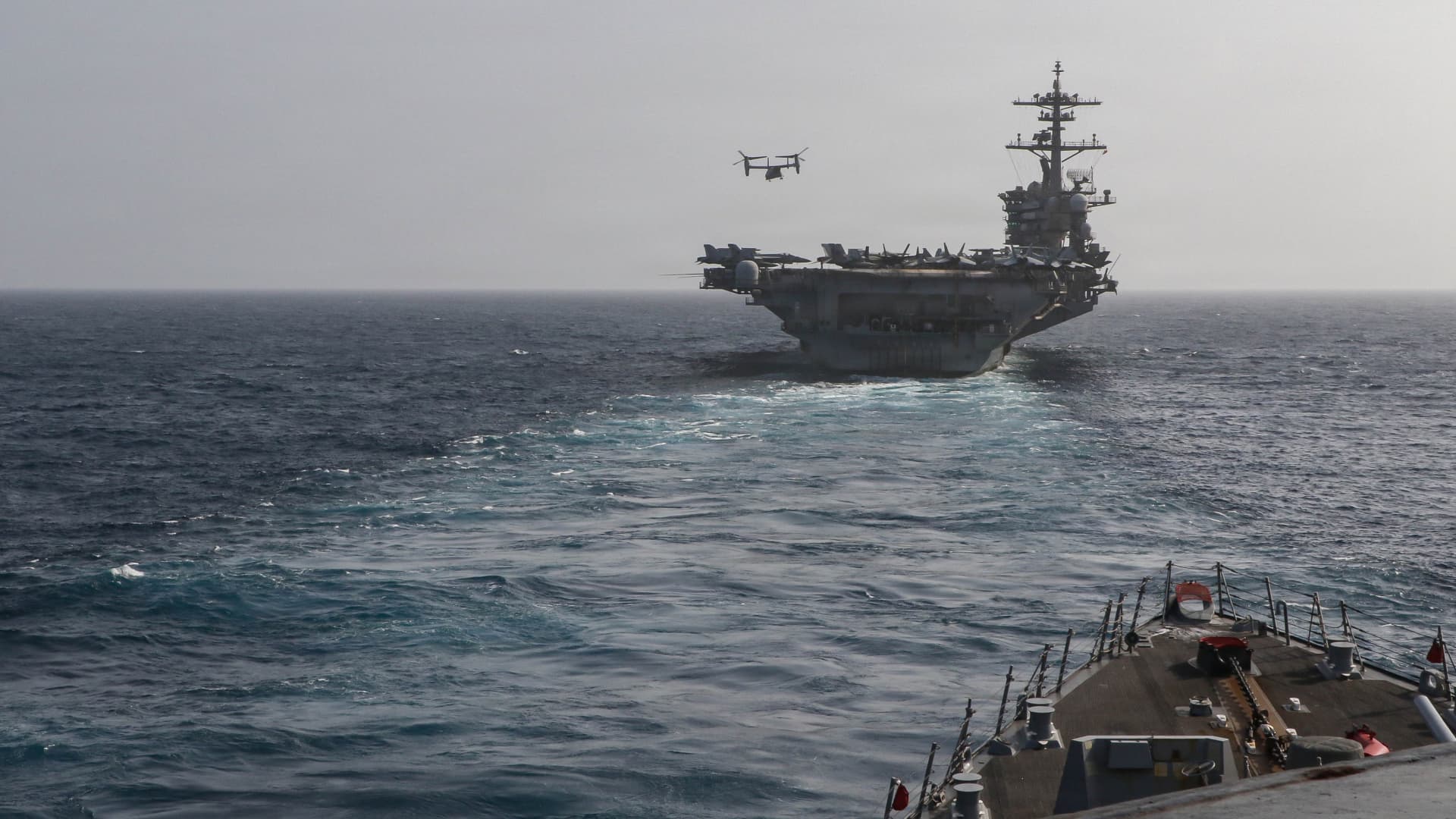
Oil markets are reacting to renewed fighting around the Strait of Hormuz, the narrow waterway that moves a major share of Gulf crude and fuel exports. For everyday investors, the issue is direct: any disruption to tanker traffic can feed into oil prices, energy costs and inflation-sensitive parts of the market.
The latest dispute centers on an interim U.S.-Iran memorandum of understanding, or temporary agreement, that was meant to restart commercial shipping through Hormuz. According to the deal terms described by officials and analysts, Iran agreed to safe passage for commercial vessels and no tolls for 60 days, while the U.S. lifted a naval blockade of Iran and temporarily removed sanctions on Iranian oil sales.
The problem was what the deal did not spell out. David Goldwyn, a former State Department special envoy for international energy affairs under President Barack Obama, said the agreement left the management of ship traffic unresolved. The text said Iran would use its “best efforts” to arrange safe passage, but it did not define which routes tankers should use.
Two corridors, one strategic choke point
Hormuz has effectively split into rival lanes. Iran has argued that ships are entitled to safe passage if they use a northern route through Iranian territorial waters. A separate southern corridor along Oman’s coast has been protected by the U.S. Navy, allowing oil and gas tankers to leave the Persian Gulf without seeking Tehran’s approval.
Michelle Wiese Bockmann, senior maritime intelligence analyst at Windward, said Iran’s attacks on three tankers this week were aimed at destabilizing that southern corridor and warning Gulf producers not to use it. Windward analysts called the latest fighting the most significant escalation since the conflict’s opening phase in late February and early March.
Senior U.S. officials said on June 17 that military escorts had allowed between 5 million and 8 million barrels per day to exit Hormuz. That is higher than earlier wartime flows, but still below the roughly 20 million barrels per day of oil and refined products that moved through the strait before the war.
U.S. Energy Secretary Chris Wright said at a New York conference on June 24 that Iran would not be able to close Hormuz going forward, saying the U.S. was taking away Tehran’s main leverage. Wright also said the U.S. military could assure energy flows out of the Gulf with or without an agreement with Iran.
Sanctions, threats and market reaction
The U.S. has reinstated oil sanctions on Iran after the tanker attacks, and President Donald Trump has threatened to reimpose the U.S. naval blockade. Iran’s Ministry of Foreign Affairs said the renewed sanctions amount to a “material breach” of the memorandum of understanding and said Washington would be responsible for the consequences.
Iran’s Revolutionary Guard warned Thursday that U.S. military involvement in setting maritime routes would be met with a decisive response and could disrupt the reopening of Hormuz.
James Kraska, an international maritime law expert at the U.S. Naval War College, said Iran is not permitted under international law to control transit through Hormuz. He said the international community has a right to pass through the strait without obstruction.
Shipping behavior is already shifting. Trade intelligence firm Kpler said operators are favoring the Iranian route over the U.S.-protected corridor along Oman’s coast after the tanker attacks.
Oil prices have risen more than 4% this week as traders price in supply risk. U.S. crude traded around $71 a barrel Friday, while Brent crude, the international benchmark, was just under $76. Both remain far below Brent’s wartime high of about $122 a barrel.
Goldwyn said a renewed U.S. blockade would likely lift prices further because it would remove 1.5 million barrels per day of Iranian exports from the market. Kraska said Iran’s attempt to control Hormuz may be difficult to sustain long term because it could encourage Gulf producers to shift more exports through alternative routes such as pipelines across Saudi Arabia and the United Arab Emirates.
This story draws on original reporting from CNBC.


