Houthi missile and drone threat raises Red Sea oil-shipping risk
A U.S. Navy-led maritime center warned that Yemen’s Houthis have prepared attacks near Bab el-Mandeb, a key route for Saudi oil exports.
By Theo Nakamura · Staff Writer
· 3 min read
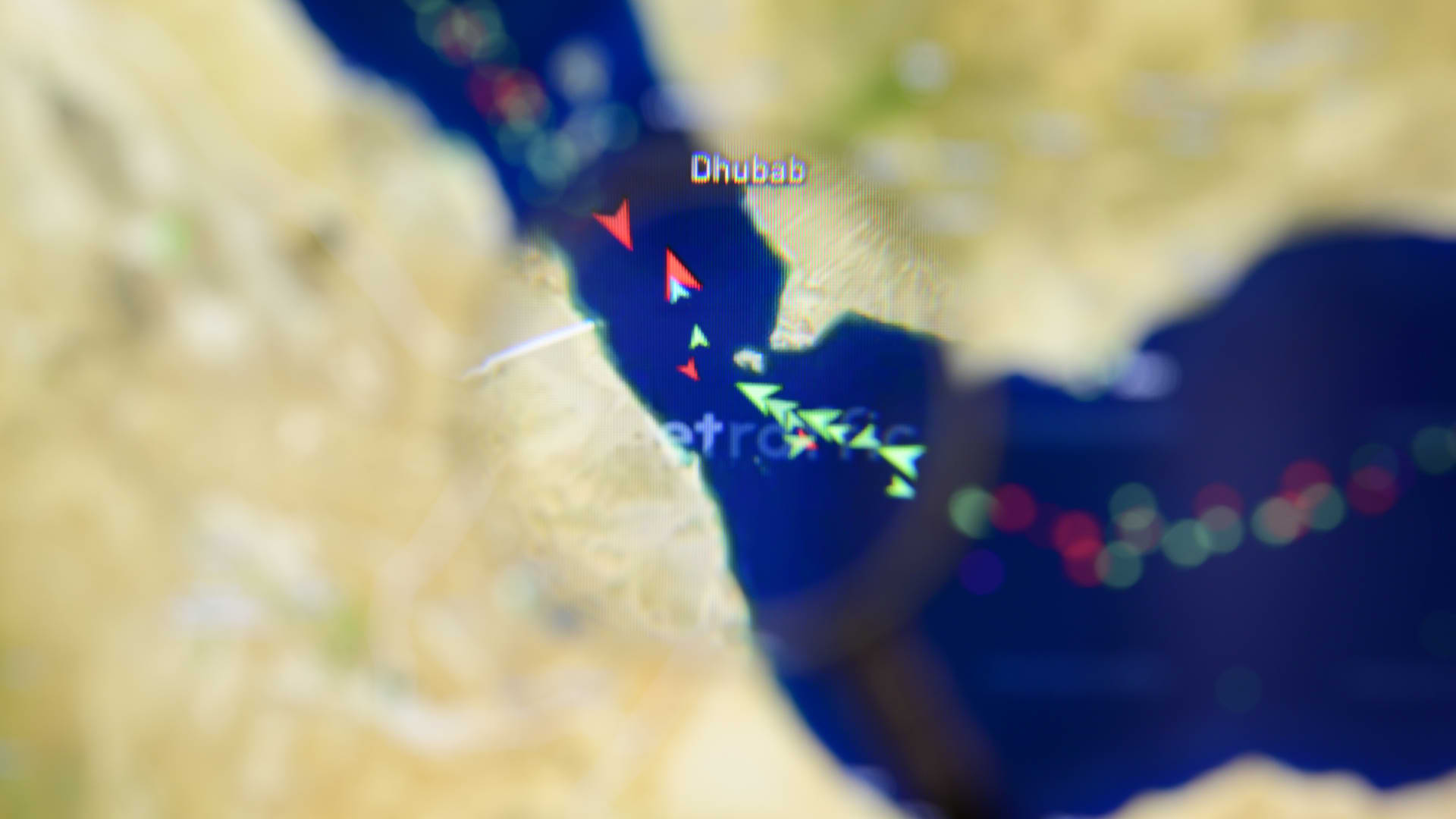
Yemen’s Houthi militants have positioned missiles and drones near the southern entrance to the Red Sea, according to a warning from the Joint Maritime Information Center. For investors, the risk sits in a narrow but important shipping chokepoint: Bab el-Mandeb, where disruption can affect oil flows moving from the Red Sea toward global markets.
The Joint Maritime Information Center, a Bahrain-based security group led by the U.S. Navy that advises commercial shipping in the Middle East, told mariners Tuesday that people close to the Houthis said the group had finished preparations for attacks on vessels. The center said those preparations included missiles and drones placed near Bab el-Mandeb.
Bab el-Mandeb links the Red Sea with the Gulf of Aden and the Arabian Sea. A chokepoint is a narrow passage where a large volume of trade has limited room to move, so any attack threat can force ships to reroute, slow down, or pause before entering the area.
The warning follows a Houthi announcement Monday of a maritime embargo against Saudi Arabia. The group threatened to block Saudi oil exports through the Red Sea and Bab el-Mandeb, according to the Joint Maritime Information Center.
Saudi oil flows have shifted toward the Red Sea
The route has gained added importance during the U.S.-Iran war because Saudi Arabia has used its Red Sea outlet as an alternative path while Iran attacks tankers in the Strait of Hormuz. Hormuz is another major oil chokepoint, connecting Persian Gulf producers with the wider seaborne market.
Saudi Arabia has redirected millions of barrels per day through a pipeline to Yanbu, a terminal on the Red Sea, according to Kpler data cited in the report. Kpler said exports from Yanbu through Bab el-Mandeb reached 3.5 million barrels per day in June, up from 240,000 barrels per day in the same period a year earlier.
The Joint Maritime Information Center said commercial ships were still moving through the southern Red Sea and Bab el-Mandeb as of Tuesday, with no attacks reported in the previous two days. It described the threat level to vessels in the area as “moderate” and said established shipping lanes remained in use without disruption.
Other shipping data showed signs of caution. Kpler said traffic through Bab el-Mandeb fell 34% on Tuesday compared with Monday, when the Houthis announced the embargo. Windward, a maritime intelligence firm, said four tankers carrying Saudi cargo turned back before reaching Bab el-Mandeb on Tuesday. Windward said those ships carried a combined 3.8 million barrels of crude oil, gasoil and naphtha.
Hormuz attacks add pressure to tanker routes
The Red Sea warning comes as Iran has increased attacks on tankers near the Strait of Hormuz, according to the report. Iran is trying to push vessels to transit the strait through its territorial waters, and three crude oil, products and chemical tankers were attacked this week off Oman and the United Arab Emirates.
The International Maritime Organization, a United Nations agency, said a dozen ships have been attacked in and around Hormuz since July 6. Those incidents have killed two seafarers and injured more than a dozen people, according to the agency.
For oil markets, the concern is less about one ship and more about route reliability. If tankers avoid Bab el-Mandeb or Hormuz, cargoes can take longer to arrive, insurance and shipping costs can rise, and traders may price in more supply risk. The Joint Maritime Information Center said traffic had not been disrupted as of Tuesday, while Kpler and Windward data suggested some operators were already adjusting behavior.
This story draws on original reporting from CNBC.