Houthis say they hit Saudi oil tankers as Red Sea risk lifts crude
Saudi Arabia confirmed one tanker was struck in the Red Sea, while U.S.-Iran hostilities added pressure to oil markets.
By Theo Nakamura · Staff Writer
· 3 min read
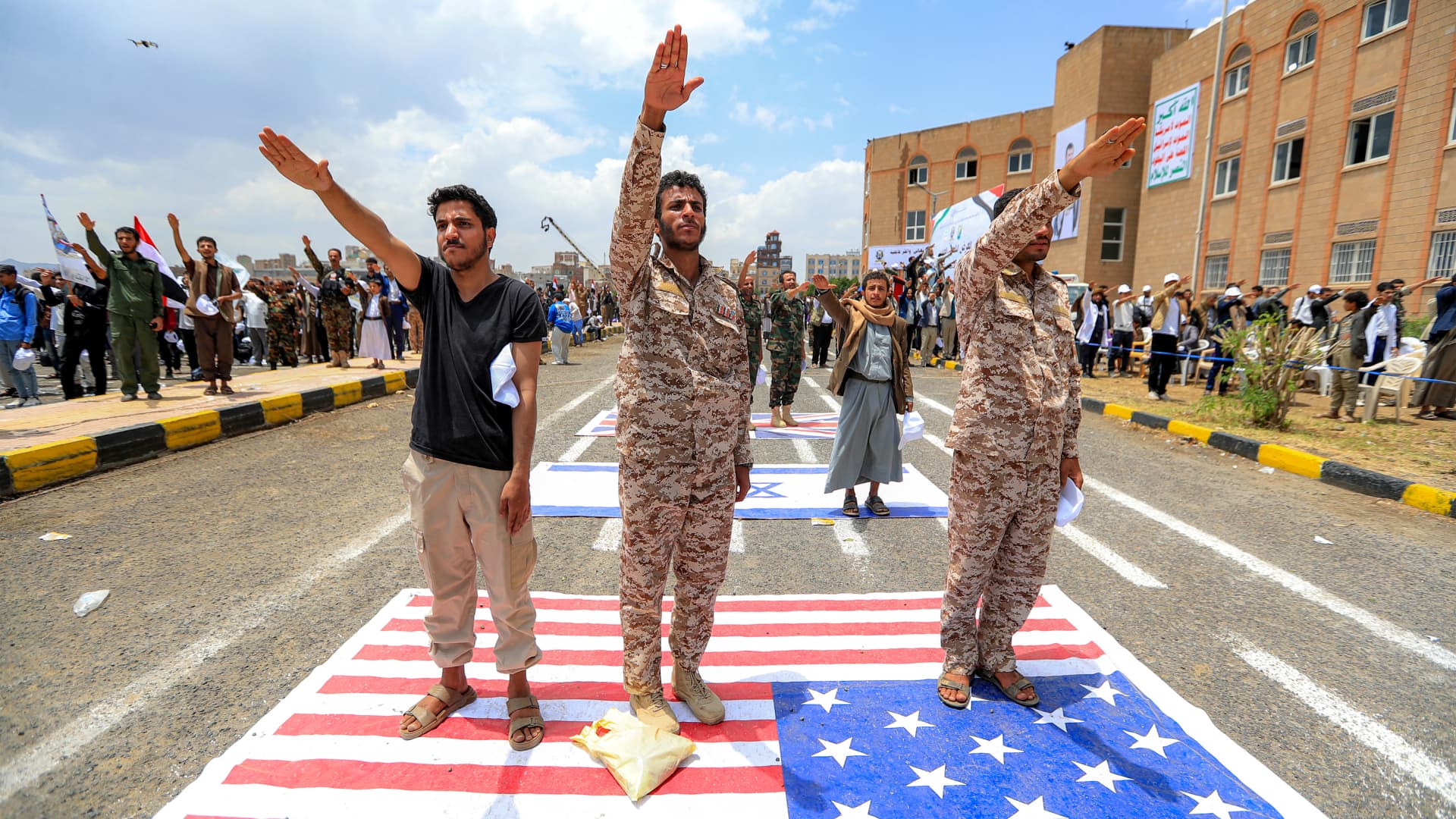
Yemen’s Houthis said they attacked two Saudi Arabian oil tankers in the Red Sea, adding another risk point for energy markets already watching the U.S.-Iran conflict. For everyday investors, the link is direct: attacks on shipping routes can raise the cost of moving oil, and that can feed into crude prices, fuel costs and inflation expectations.
The Iran-backed group said Wednesday that it targeted the Saudi tankers Encelia and Layla with drones and missiles. The Houthis said the vessels had violated their maritime blockade, a declared attempt to stop certain ships from passing through waters the group claims to control or threaten.
Saudi Arabia’s state-run Saudi Press Agency confirmed that Encelia was targeted while moving through the Red Sea. Citing an unnamed official from the Transport General Authority, SPA said the strike caused a fire at the front of the ship, all crew members were safe and the attack breached international law. SPA did not give an update on Layla.
The United Kingdom Maritime Trade Operations also reported Wednesday that an unknown projectile hit a Saudi Arabian oil tanker roughly 130 kilometers from Al Shuqaiq, a coastal town in Saudi Arabia. UKMTO said a fire broke out onboard and that no casualties were reported.
If the Houthi claim is verified, it would be the group’s first reported attack since announcing a naval blockade against Saudi Arabia. The Red Sea is a key corridor for global trade and energy shipments, so disruption there can force ship operators to reassess routes, insurance and risk costs.
U.S. says it hit more Iranian military sites
The tanker incidents came as U.S. Central Command said American forces completed a 12th straight round of strikes against Iran overnight. Centcom said the latest operations hit military targets including maritime capabilities, missile and drone storage sites, and air defense assets.
Centcom said the strikes were meant to reduce Iran’s ability to attack civilian mariners and commercial vessels. The command also said U.S. forces have struck dozens of Iranian military locations on land this month while restarting a sea blockade against Iran.
As of Thursday evening, Centcom said it had redirected nine commercial vessels and disabled one vessel to stop ships from entering or leaving Iranian ports.
President Donald Trump escalated the warning to Tehran on Wednesday in a Truth Social post. He said that each time Iran fires at a ship in the Strait of Hormuz, the U.S. would destroy one Iranian bridge or power plant. The Strait of Hormuz is a narrow waterway between Iran and Oman that is closely watched because oil tankers use it to move crude from the Persian Gulf to global markets.
Iran responded by saying it would retaliate against those strikes by targeting U.S.-linked infrastructure and energy assets in the region.
Oil prices rise as supply risk gets priced in
Oil prices moved higher Thursday morning as traders weighed the broader conflict risk. Brent crude futures for September delivery were up 2.1% at $96.08 a barrel, according to CNBC. Brent is a global oil benchmark used to price much of the world’s crude.
U.S. West Texas Intermediate futures for September delivery rose 1.5% to $88.06, CNBC reported. WTI is the main U.S. oil benchmark. Higher crude prices do not automatically mean higher gasoline prices right away, but sustained gains can raise pressure across fuel and transport costs.
This story draws on original reporting from CNBC.


