IBM CEO says AI puts only 2% of software at risk
Arvind Krishna told CNBC most IBM software supports AI infrastructure, but weak mainframe demand has pressured the business.
By Theo Nakamura · Staff Writer
· 3 min read
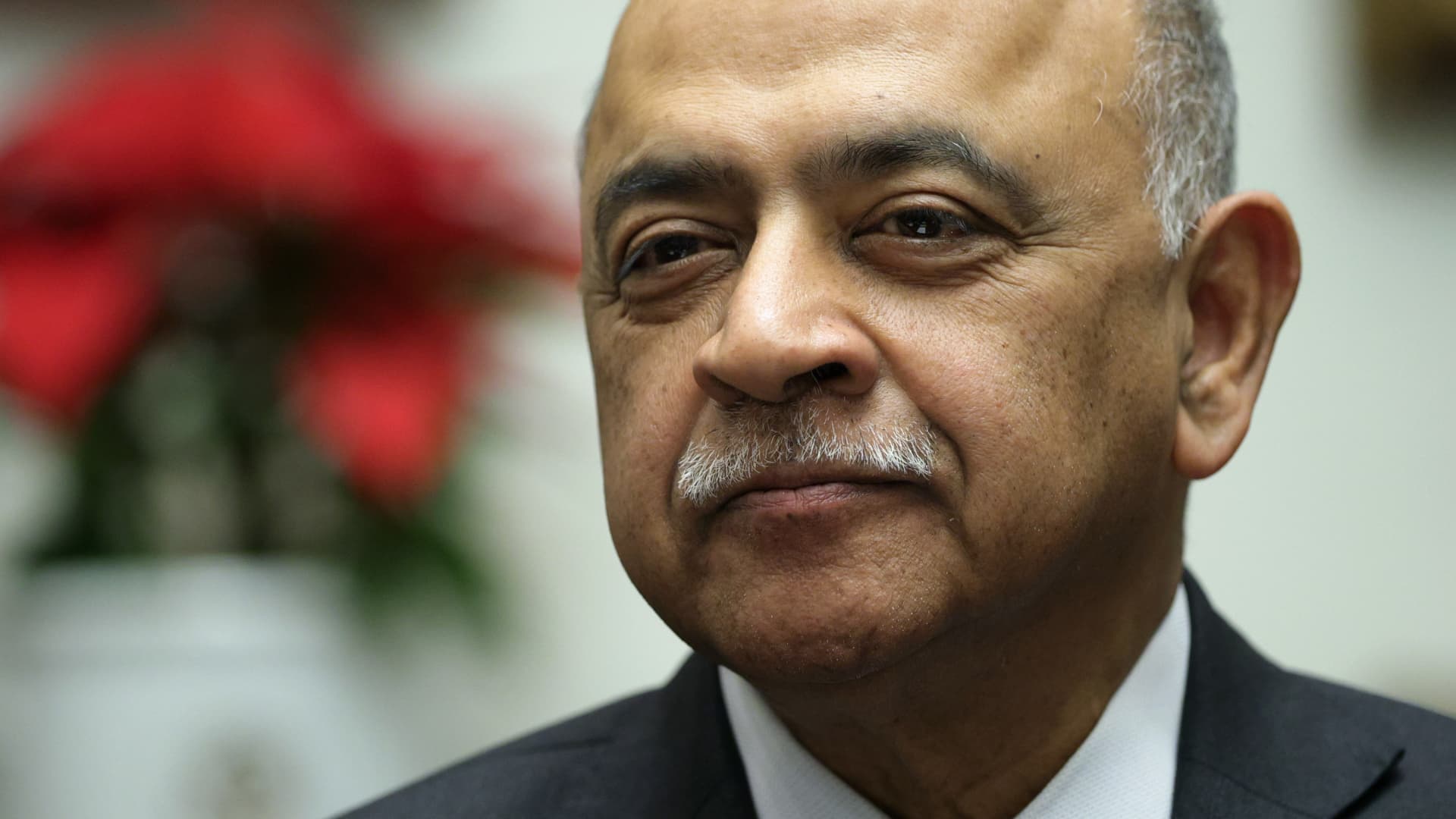
IBM CEO Arvind Krishna tried to calm IBM AI software risk concerns after a rough earnings reaction, telling CNBC that only 2% of the company’s software could be replaced by apps built with artificial intelligence models. For investors, the point is straightforward: IBM’s most profitable business is software, and Wall Street is asking how much of it AI could eat.
Krishna made the comments Thursday on CNBC’s “Squawk on the Street,” after IBM reported second-quarter results that disappointed investors. He said most of IBM’s software is used to help customers prepare for AI by making data available in real time, lowering the cost and complexity of managing it, and working across hybrid infrastructure, which combines different computing environments.
Krishna described much of IBM’s portfolio as infrastructure software rather than applications. In plain English, infrastructure software helps companies run and manage computing systems, while applications are the tools employees directly use for specific tasks. Krishna told CNBC he believes that position could make AI a tailwind for IBM.
How much IBM software does Krishna say AI could replace?
Krishna put the vulnerable portion at 2% of IBM’s software. He pointed to Starbucks as an example, saying the coffee chain spends about $2 million a year on IBM software and is removing Tririga, a lease management product IBM acquired in 2011.
Krishna said Tririga is a large part of the 2% figure and that software like it faces risk. He also said the Starbucks system was a 10-year-old piece of software. IBM plans to end support for Tririga in 2027, according to CNBC.
The AI concern is not unique to IBM. CNBC reported that investors have become more cautious on software companies as tools from firms including Anthropic and OpenAI become more capable. IBM shares are down about 30% this year, while the iShares Expanded Tech-Software Sector ETF, known by its ticker IGV, has fallen 17%.
IBM shares also dropped 13% in February after Anthropic published a blog post about Claude Code’s ability to modernize Cobol, a programming language often used on mainframes. A mainframe is a powerful central computer that large organizations use for high-volume, mission-critical processing, such as banking and transaction systems.
Why did IBM’s software results disappoint?
The pressure was tied partly to IBM’s mainframe cycle. Krishna told analysts Wednesday that IBM’s current-generation z17 mainframe ran into challenges during the quarter. Finance chief Jim Kavanaugh said some customers shifted spending toward other data center equipment, including servers and storage, as memory prices rose because of AI chip demand.
That matters because IBM earns software revenue around mainframe installations. CNBC reported that for every dollar of IBM mainframe infrastructure revenue, the company gets $3 in software revenue. In the quarter, IBM’s Z mainframe revenue fell 42%, while transaction processing software declined 9%.
The drop reversed a stronger first quarter, when Z revenue rose 48% and transaction processing increased 2%, according to CNBC. Software accounted for 45% of IBM’s revenue in the June quarter, and it carries the company’s strongest margins.
IBM kept its guidance for a $1 billion increase in free cash flow in 2026. Free cash flow is the cash a company has left after operating expenses and capital spending. Kavanaugh said Wednesday that he now expects software revenue to grow 6% to 8% this year, down from his January statement that he was confident growth would reach double digits.
Krishna said Thursday that mainframe hardware capacity is growing and that related software tends to follow later. He said about 75% of deals that slipped out of the second quarter should return to IBM before the end of the year.
Jefferies analysts wrote Thursday that they would avoid giving full credit for IBM’s maintained guidance until more delayed activity appears in reported results. The firm recommends buying IBM stock, according to CNBC.
This story draws on original reporting from CNBC.