IHG Middle East hotel demand hit was offset by growth elsewhere
IHG’s first-half operating profit rose 10% as stronger Americas, Europe and Asia Pacific demand outweighed a sharp Middle East setback.
By Theo Nakamura · Staff Writer
· 3 min read
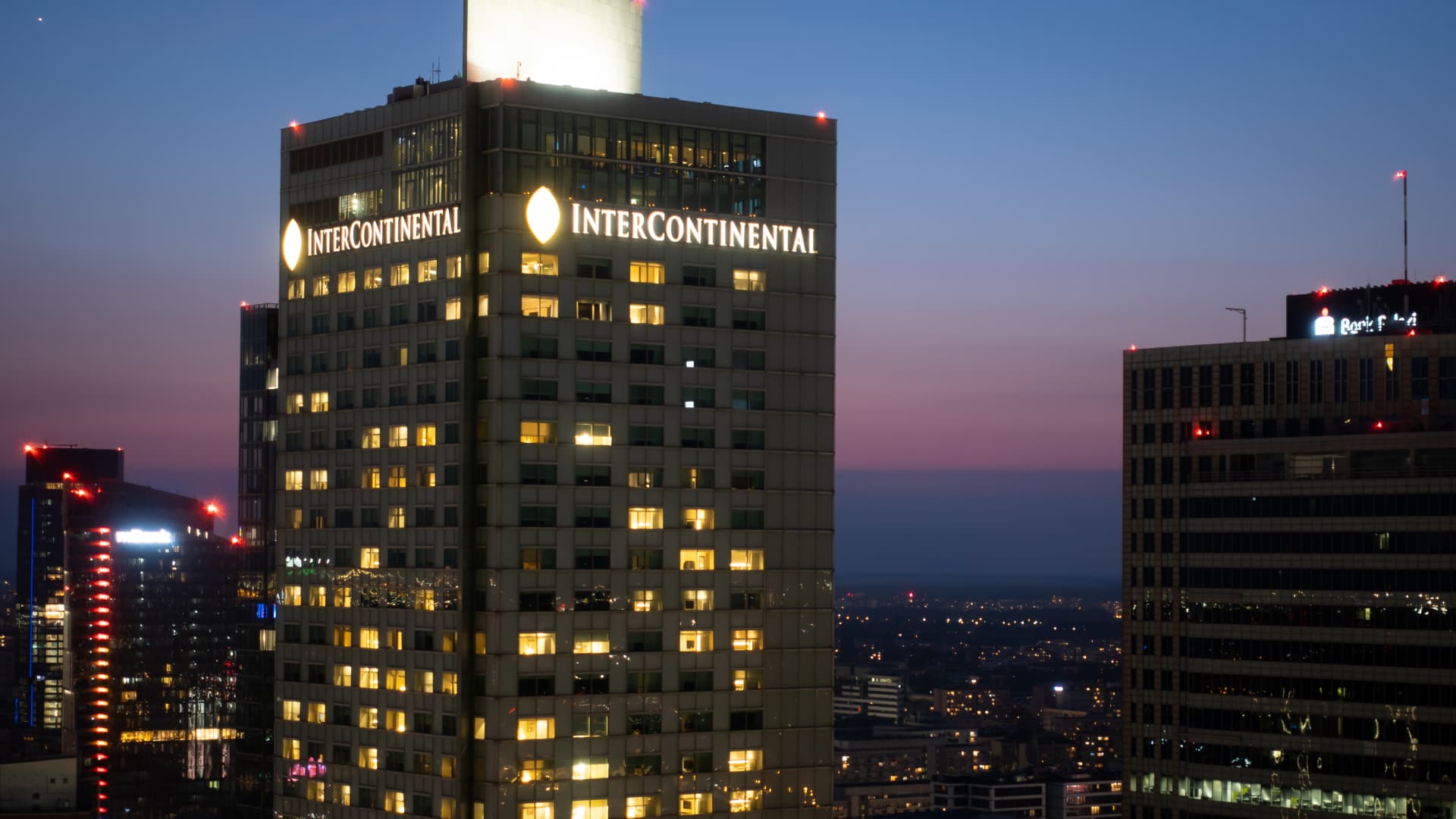
IHG Middle East hotel demand fell sharply in the second quarter, yet Holiday Inn owner InterContinental Hotels Group still posted higher first-half operating profit as growth in other regions picked up the slack. For investors, the results show how a globally spread hotel operator can absorb a regional travel shock, though worldwide room-revenue growth did slow as the conflict disrupted bookings.
IHG said operating profit from its reportable segments rose 10% from a year earlier to $665 million in the six months through June 30. Revenue from those segments increased 7% to $1.3 billion, according to CNBC. Global revenue per available room, or RevPAR, rose 4.1% over the half.
RevPAR is a hotel-industry measure of how much room revenue a property generates for each available room. It reflects both occupancy and the average price paid for rooms, making it a useful signal of demand and pricing.
How hard did the Middle East conflict hit IHG hotel demand?
The impact was concentrated but meaningful. IHG’s global RevPAR growth slowed to 3.5% in the second quarter from 4.4% in the first quarter. In the Middle East, RevPAR declined 19% in the second quarter after a 2% fall in the first, PA News reported.
The region accounted for about 5% of IHG’s global system size, according to the company reporting cited by PA News. Chief Executive Elie Maalouf said the Middle East made up roughly the same share of IHG’s business in an interview with CNBC.
IHG said stronger results in the Americas, Europe and Asia Pacific offset the regional decline. Americas RevPAR increased 4.8% for the half and 5.4% in the second quarter, with locations hosting World Cup matches contributing about one percentage point to the quarterly increase, according to PA News. Second-quarter RevPAR rose 3.1% in the U.K., 2.3% in continental Europe and 6% in Asia Pacific.
Why does IHG link travel demand to a growing middle class?
Maalouf attributed the broader demand trend to people gaining wealth, advancing in their careers and retiring, which he said is shifting more spending toward travel and other experiences rather than goods. That is management’s explanation for the demand pattern, rather than a causal finding established by IHG’s results.
He also described the U.S. as a standout market, pointing to employment, wage growth and consumer spending on experiences. Maalouf said the World Cup drove an increase in U.S. hotel demand from mid-June, and that the event performed well commercially for IHG, CNBC reported.
IHG expects conflict-related effects, including wider disruption to international travel flows, to be fully offset by demand growth in other markets, Maalouf said, according to PA News. That remains a company outlook, not a guarantee. Investors should also distinguish the reported operating-profit increase from statutory pretax profit, which fell 9% to $578 million, PA News reported.
For the moment, the numbers point to a mixed hotel-demand picture: a steep regional decline, a slower global growth rate, and enough strength elsewhere to lift IHG’s first-half segment results.
This story draws on original reporting from CNBC.


