India inflation tops forecasts as oil and food pressures build
Consumer prices rose 4.38% in June, above a Reuters poll estimate, as fuel risks and uneven monsoon rains added to India’s inflation problem.
By Jordan Bell · Startups & Deals Reporter
· 3 min read
India’s inflation rate climbed faster than economists expected in June, a reminder that food and fuel costs can still complicate the country’s growth story. For investors tracking India, a hotter inflation reading matters because the Reserve Bank of India uses inflation and growth trends when setting interest rates, which influence borrowing costs across the economy.
Consumer price inflation rose to 4.38% in June from 3.93% in May, according to the reported data. Consumer price inflation measures how quickly a basket of household goods and services is getting more expensive.
The June figure came in above the 4.30% increase economists expected in a Reuters poll. It also marked another move higher as India faced pressure from rising food and fuel prices tied to the U.S.-Iran conflict and a weak monsoon.
Why fuel is in focus
The Reserve Bank of India left interest rates unchanged last month and said it expects inflation to rise while growth slows in the financial year ending March 2027. The central bank has forecast inflation at 5.1% for that period, with core inflation at 4.7%.
Core inflation strips out volatile food and fuel prices to give policymakers a clearer view of underlying price pressure. The RBI has put repeated emphasis on core inflation, according to the report.
Energy costs are a key risk for India because the country imports nearly 85% of the fuel it needs. India also depends heavily on the Strait of Hormuz, using the route for about 50% of its crude imports, 60% of its liquefied natural gas and almost all of its liquefied petroleum gas supplies.
Oil prices have risen as the U.S. and Iran contest control of the Strait of Hormuz, one of the most important routes for global energy shipments. A brief ceasefire between the U.S. and Iran in June was followed by renewed hostilities last week.
Higher oil prices can feed into inflation through fuel bills first. Over time, they can also raise the cost of moving goods, running factories and operating businesses, which can push broader prices higher.
Monsoon swings add another risk
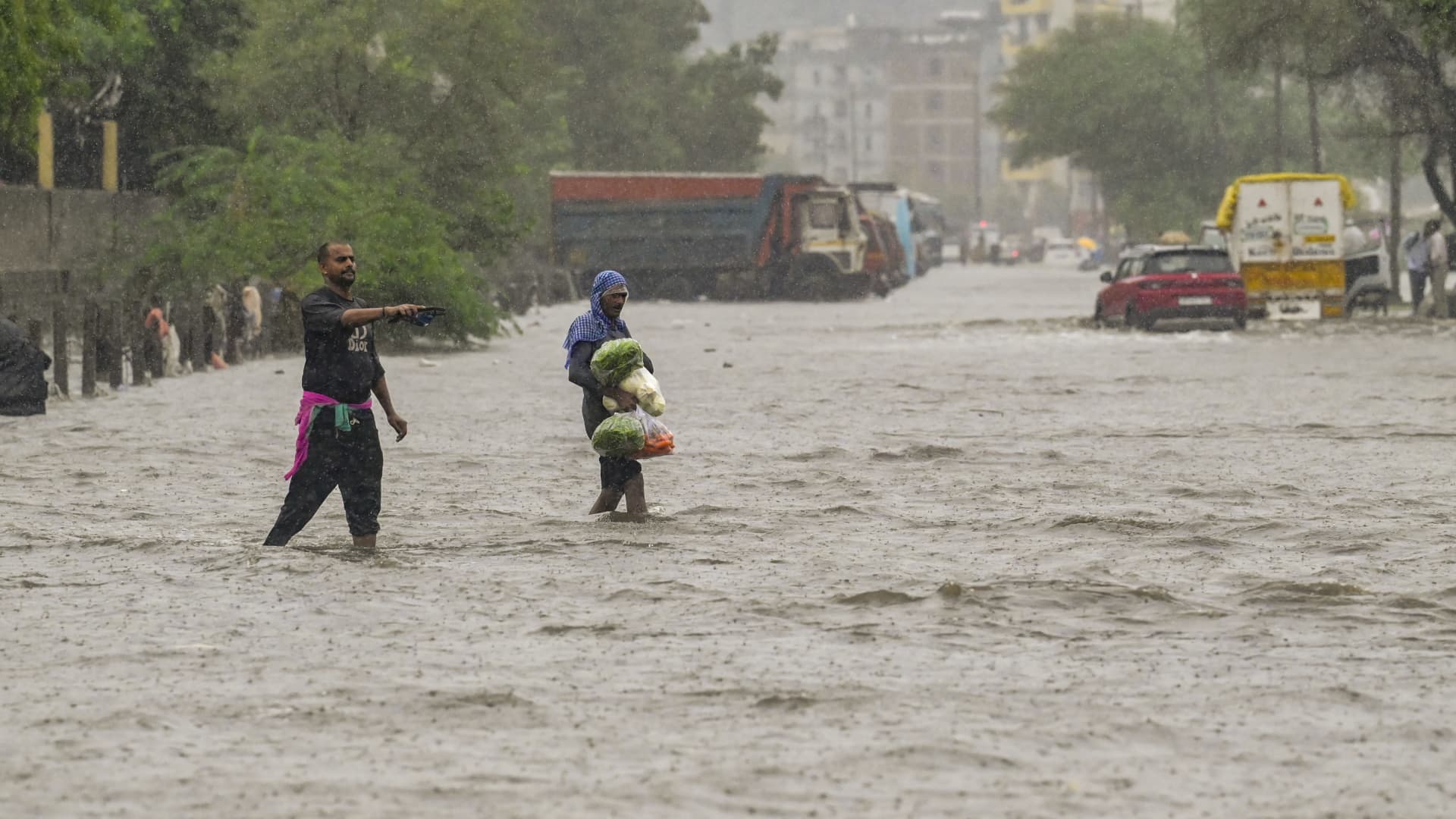
Weather is the other pressure point. India has seen heavy rains and flooding in parts of the country in recent weeks, but the country still faces the risk of a deficient monsoon this year.
Crisil, the Indian research and ratings firm owned by S&P Global, said in a Friday report that a dry June was followed by a rapid monsoon advance, cutting the national rainfall deficit to 15% as of July 8 from 40%.
The India Meteorological Department has forecast July rainfall at 6% below the long-period average. Crisil said swings between too little rain and too much rain can hurt agriculture by affecting sowing choices, crop conditions and rural incomes.
That matters for inflation because food prices carry real weight in household budgets. If weather disrupts crops, consumers can face higher prices at the market, and those costs can spill into the broader economy.
For now, core inflation has not become a major concern, according to the report. The risk for policymakers is that sustained increases in energy and food costs eventually lift input, transport and operating expenses across the economy.
This story draws on original reporting from CNBC.