Iran BRICS New Development Bank push faces an official-status gap
Iran says it expects to join the New Development Bank, but the lender’s public list does not yet show Tehran as a member or prospective member.
By Theo Nakamura · Staff Writer
· 3 min read
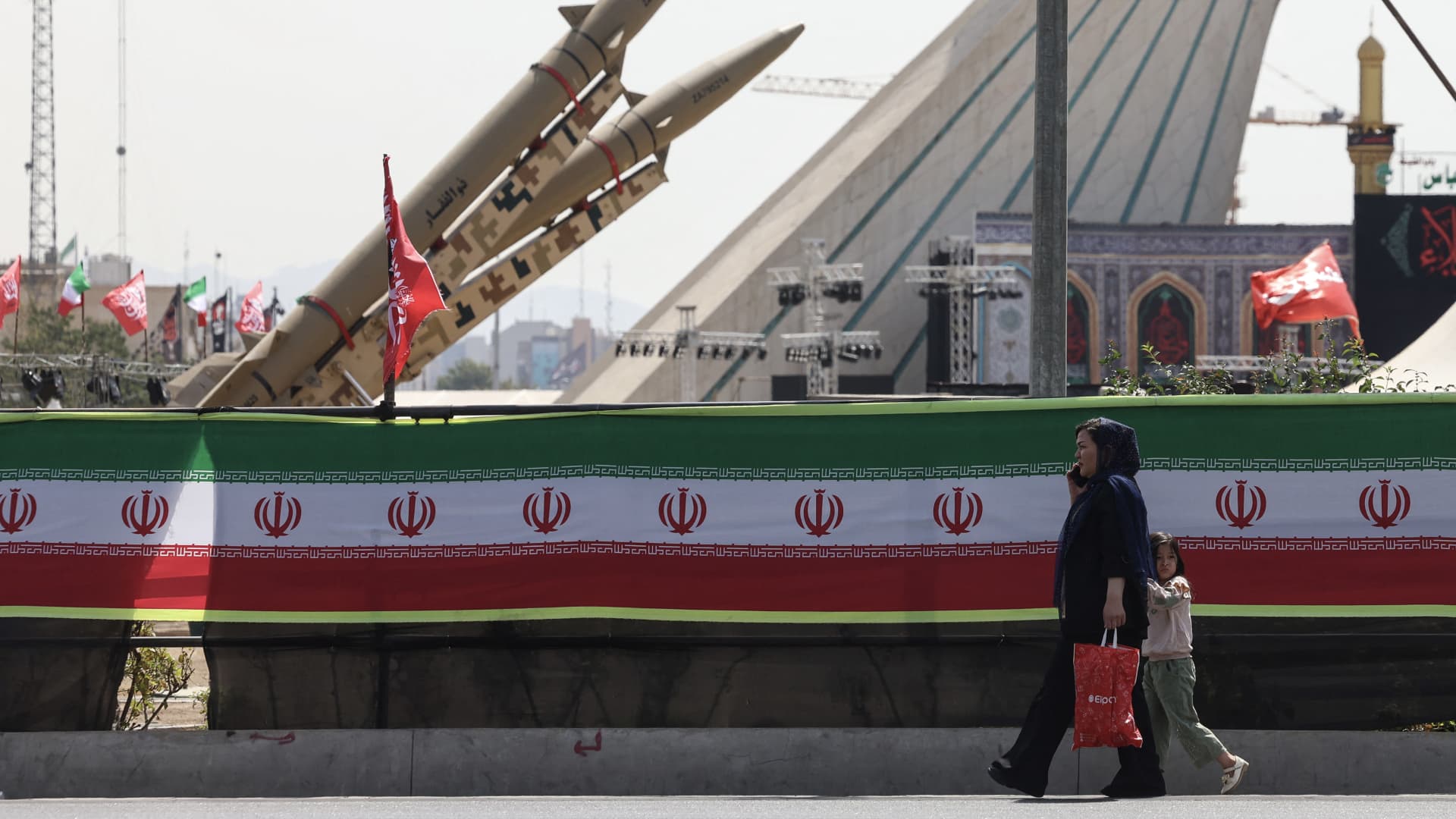
Iran is pursuing closer ties with the BRICS New Development Bank as its war with the U.S. and Israel adds pressure to an economy already constrained by sanctions. Iranian state media reported Thursday that central bank governor Abdolnasser Hemmati said Iran would soon join the lender, though the bank’s public membership records do not yet show Iran as a member or prospective member.
The distinction is important for investors following the region: Iran joined the wider BRICS grouping in 2024, but BRICS membership does not automatically make a country part of the New Development Bank, or NDB. The NDB is a separate development lender founded by Brazil, Russia, India, China and South Africa.
Hemmati, who was in India ahead of next month’s BRICS summit, also said Iran wanted bilateral and trilateral monetary cooperation with member countries, according to Tasnim News Agency as cited by CNBC. The reporting did not identify the countries involved, proposed currencies or any specific agreements.
Is Iran already a member of the BRICS New Development Bank?
No completed accession is reflected on the NDB’s official membership page. It lists Bangladesh, the United Arab Emirates, Egypt, Algeria and Uzbekistan as newer members, while Uruguay, Colombia, Ethiopia, Angola and Zimbabwe are listed as prospective members. Iran appears on neither list.
The bank says prospective members become official only after depositing an instrument of accession. CNBC reported that Iran would need to complete the NDB accession process before it could become a member; its reporting contained no comment from the NDB and no confirmation that Iran’s accession has been completed.
If Iran ultimately joins, it could seek financing for projects including transport, sanitation, digital infrastructure and urban development, CNBC reported. The NDB’s mandate is to mobilize resources for infrastructure and sustainable-development projects in emerging markets and developing countries. Membership, and any resulting eligibility to seek financing, remain prospective.
Why Iran is looking to BRICS
Longstanding sanctions have limited Iran’s access to international capital, particularly Western lenders and markets, CNBC reported. The conflict has added to that economic strain, with CNBC reporting higher inflation, weaker growth and a falling currency.
China was Iran’s largest trading partner in the World Bank’s latest available data, according to CNBC. Kpler data cited by CNBC showed China bought more than 80% of Iran’s shipped oil in 2025. CNBC said it was unclear whether that relationship has changed since the war began.
The outreach also comes with U.S. policy risk. CNBC reported that President Donald Trump has threatened a 25% tariff on U.S. imports from countries that directly or indirectly buy Iranian goods or services. The threat was reported as a proposed measure, not an enacted tariff.
BRICS economic cooperation has political limits
Iran has separately called on BRICS to condemn what it describes as military aggression and to support regional stability, Deutsche Welle reported. India, which chairs the group, has urged restraint, deescalation and a return to dialogue.
India’s Foreign Ministry said the direct involvement of some BRICS members in the regional conflict has made a shared position harder to reach. Analysts cited by Deutsche Welle described BRICS as a loose group focused on trade, development and economic cooperation, rather than a bloc of countries that agree on every geopolitical issue. The UAE and Saudi Arabia are wary of Iran, while other members may hesitate to take a position seen as opposing the U.S.
This story draws on original reporting from CNBC.


