Iran draws Hormuz red line as Trump threatens infrastructure strikes
Tehran warned it would retaliate if the U.S. targets Iranian infrastructure, raising pressure around a key oil-shipping route.
By Dev Ramirez · Crypto Correspondent
· 3 min read
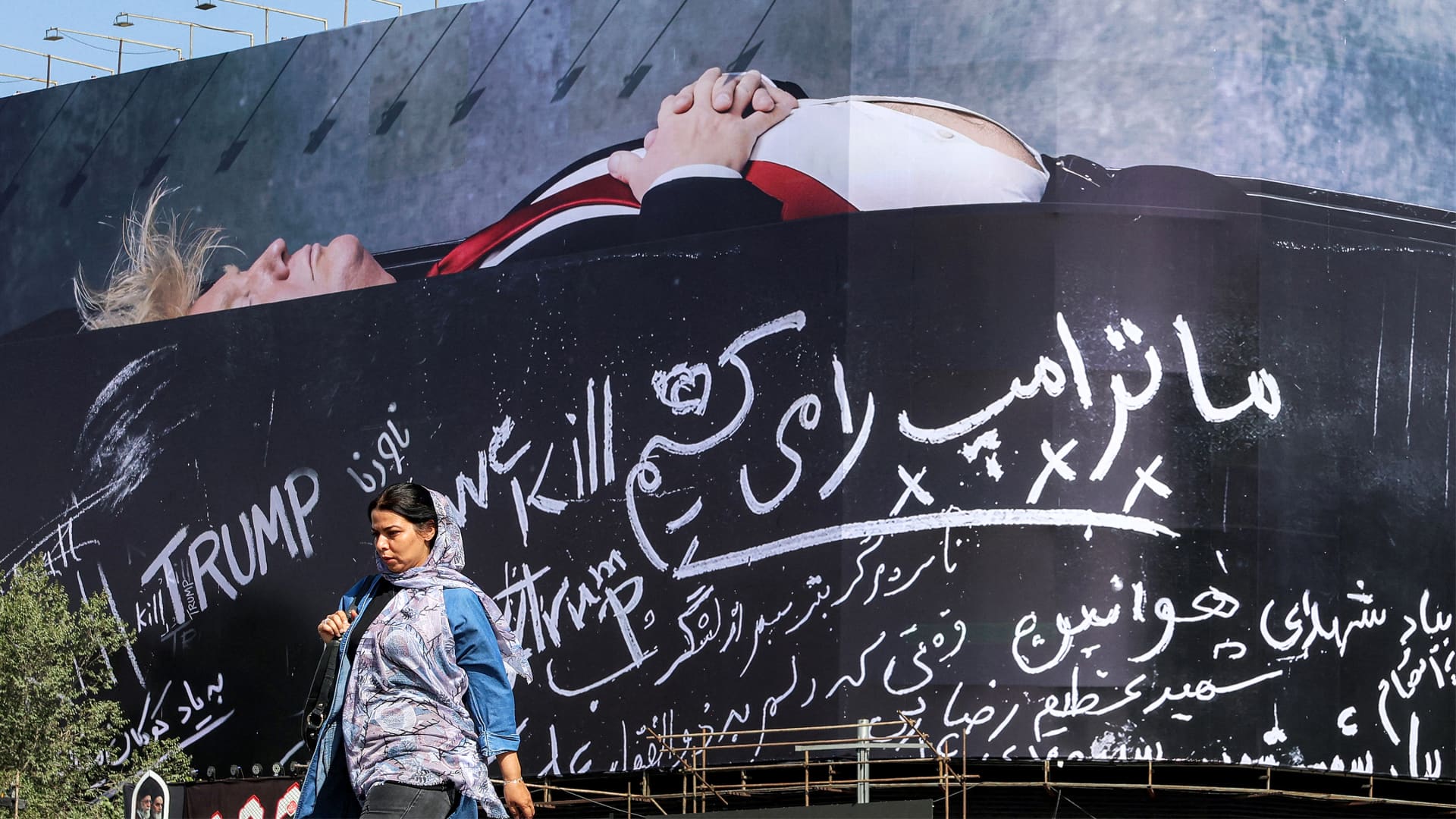
Iran warned the U.S. that it would hit back if American forces target Iranian infrastructure, sharpening a conflict centered on the Strait of Hormuz. For everyday investors, the flashpoint matters because the strait is a key route for oil and other commodities, and fighting there can feed volatility in energy prices.
The warning followed remarks from U.S. President Donald Trump, who told Fox News on Tuesday that American forces would attack Iranian power plants and bridges next week if talks do not restart. Trump said Iranian officials needed to return to negotiations to avoid those strikes.
In a statement posted Thursday on Telegram, a spokesperson for Iran’s top military command said that if Trump carried out the threat, Iran’s armed forces would destroy targets in the region that remain intact. The spokesperson also said Iran would not allow the U.S., described as a foreign power, to interfere in the Strait of Hormuz, calling the waterway Iran’s “red line.”
Fresh U.S. strikes hit Iranian targets
U.S. Central Command said American forces launched another round of strikes on Iran overnight, ending at 9 p.m. ET. In a post on X, Centcom said it targeted Iranian command centers, air defense sites, missile and drone capabilities, and coastal surveillance facilities.
Centcom said the goal was to reduce Iran’s ability to threaten commercial ships traveling through the Strait of Hormuz. The command said precision munitions were used in several places, including Bandar Abbas. Precision munitions are weapons designed to hit specific targets more accurately than unguided bombs or missiles.
The latest escalation came after the U.S. struck Iran earlier this week in response to attacks on commercial ships in the Strait of Hormuz, according to CNBC. Tehran has also carried out attacks on several Gulf countries, CNBC reported.
Iran’s Foreign Ministry also warned Wednesday that Tehran would respond. Speaking at an event in Tehran, the ministry’s spokesperson said, according to state-affiliated media, that Iran’s “hands are not tied” and that its fighters would answer U.S. actions with force.
Trump said last week that a ceasefire agreed by the two sides in June was over. On Wednesday, he told Fox Business News that Iranian officials wanted to meet with U.S. representatives for new talks.
Oil slips Thursday after a volatile week
Oil prices moved lower Thursday morning even after renewed hostilities helped prices rebound earlier in the week. Brent crude futures for September delivery, the global benchmark cited by CNBC, were down 0.5% at $84.42 a barrel by 4:30 a.m. ET. Front-month U.S. West Texas Intermediate crude futures fell almost 0.2% to $79.47 a barrel.
Clark H. Summers, an adjunct professor of government and political philosophy at Belmont Abbey College in North Carolina, told CNBC that he expects the conflict to settle into a stalemate. He said U.S. airstrikes could be effective at destroying drones and surface-to-surface missile launch sites as they appear, but may not solve the broader problem if Iran can keep producing or using stored drones and missiles.
Summers also told CNBC that Trump’s earlier proposal for a 20% fee on shipping through the Strait of Hormuz, which Trump has since walked back, suggested the administration understands the war’s costs could hurt public support. He said eliminating Iran’s Islamic Revolutionary Guard Corps as a governing force would require a serious ground threat, which he viewed as extremely unlikely from conventional U.S. forces.
Richard de Meo, founder and CEO of London-based commodity-hedging brokerage Attara, told CNBC that companies have become more used to geopolitical risk headlines. Still, he said corporate treasury teams are increasing hedge ratios and extending hedge tenors where they can, meaning they are using more contracts and longer time frames to protect against future price swings.
This story draws on original reporting from CNBC.