Japan food tax cut tests Takaichi’s growth plan against a rising interest bill
Japan’s proposed food-tax cut could support consumers, but it would reduce revenue as higher bond yields lift the cost of servicing debt.
By Theo Nakamura · Staff Writer
· 3 min read
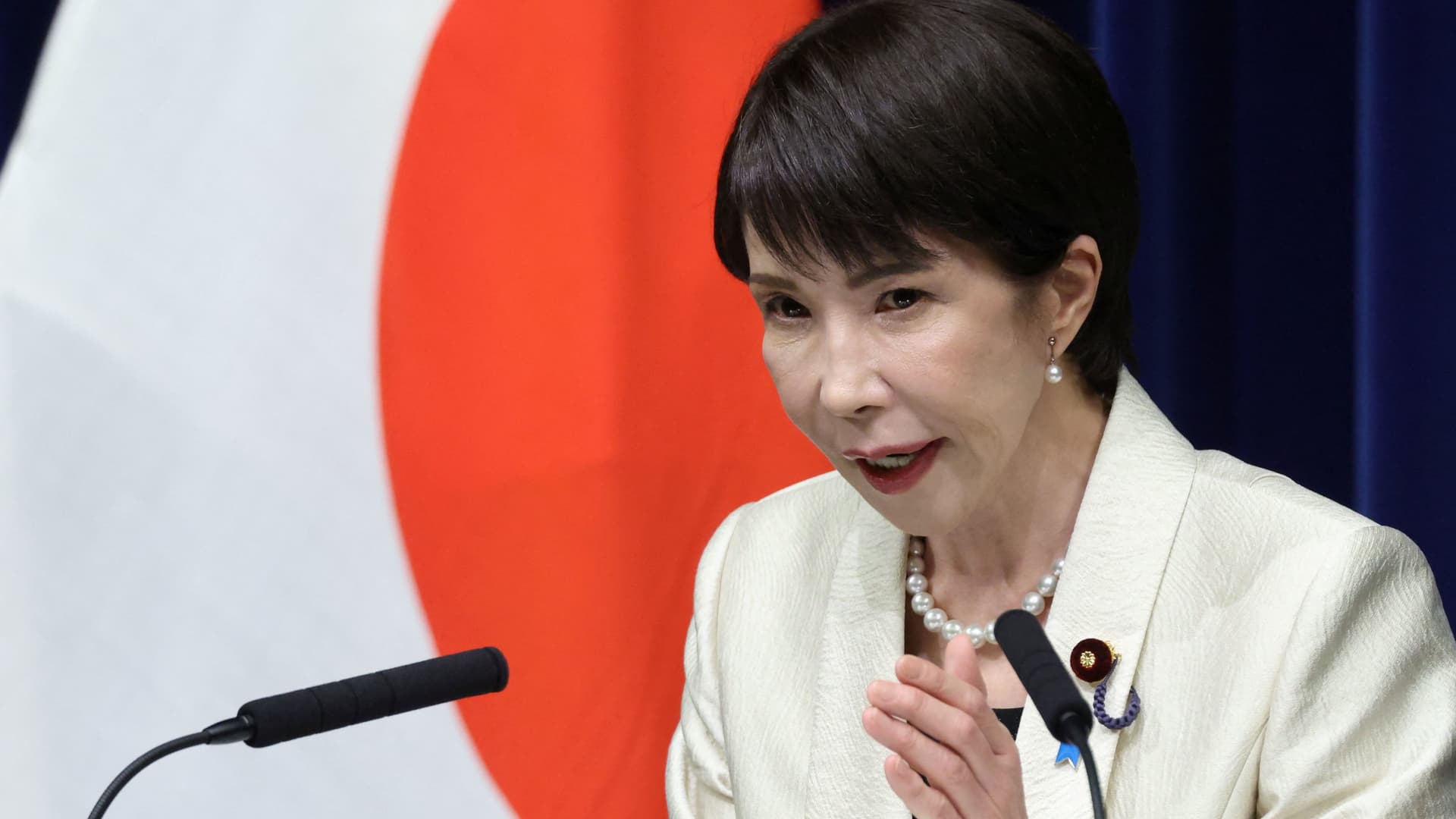
Japan’s proposed food tax cut would lower the levy on food to 1% from 8% for two years beginning in April 2027, if it clears the remaining legislative steps. For investors watching Japan’s bonds and currency, the trade-off is direct: Prime Minister Sanae Takaichi is offering near-term consumer relief while the government’s interest bill is already set to rise.
Takaichi said selected groups would receive cash payments to offset the remaining 1% tax. The ruling Liberal Democratic Party has moved the bill through key committees, according to CNBC, but the government was still seeking cabinet approval and plans to submit it to parliament in the autumn. The proposal is therefore not yet enacted.
The revenue cost is estimated at 4.4 trillion yen a year, CNBC reported. Takaichi’s case is that the reduction can support household spending, while an estimated 370 trillion yen public-private investment program through fiscal 2040 can raise productivity, economic growth and eventually tax receipts. That 370 trillion yen figure includes private-sector investment, rather than representing government spending alone.
Why could Japan’s food tax cut raise fiscal pressure?
Japan begins from a constrained budget position. The International Monetary Fund projected government debt at about 204% of gross domestic product in 2026, CNBC reported. Debt servicing already consumes roughly one-quarter of the fiscal 2026 budget.
The Finance Ministry projects interest payments will rise from 13 trillion yen in fiscal 2026 to 21.6 trillion yen in fiscal 2029, according to CNBC. That 8.6 trillion yen increase is a baseline projection, not an estimate of the food-tax cut’s effect.
Higher bond yields raise the government’s cost of financing debt over time. The impact builds as existing bonds mature and are replaced with new debt carrying prevailing rates, which leaves less room in later budgets for other spending or tax measures.
Japan’s 10-year government bond yield stood near 2.85% in Tuesday trading, close to multi-decade highs, CNBC reported. Takaichi has said she does not intend to fund her policies with deficit-financing bonds and that the government will review spending, tax breaks, subsidies and public funds. The funding mechanism remains unclear, however, and HSBC Global Investment Research strategist Justin Heng told CNBC that further debt issuance remained plausible.
What does the Bank of Japan mean for Japan’s interest costs?
The Bank of Japan set its overnight call-rate guideline at about 0.5% in June 2025 and scheduled a gradual reduction in monthly purchases of Japanese government bonds, or JGBs, to about 2.1 trillion yen in January through March 2027. JGBs are the bonds Japan sells to finance government borrowing.
CNBC reported that the BOJ’s continued rate increases and smaller JGB purchases could add to government interest costs and further restrict fiscal room. The central bank has also said it could increase purchases if long-term rates rise rapidly.
There is an offsetting consideration. Higher yields may make JGBs more appealing to domestic investors and help avoid a disorderly bond sell-off, according to a Monex Group expert cited by CNBC. Those higher yields still increase the cost Japan faces on debt over time.
The IMF urged Japan not to cut the consumption tax in its 2026 country report, calling such a step an untargeted measure that would erode fiscal space and add fiscal risks. Whether Takaichi’s growth strategy produces enough additional revenue to offset the immediate loss remains the central fiscal question.
This story draws on original reporting from CNBC.