Japan’s government bonds draw fresh attention as yields hit 1996 highs
Japanese government bond yields are at multi-decade highs, pulling global investors back into a market long held down by Bank of Japan policy.
By Dev Ramirez · Crypto Correspondent
· 4 min read
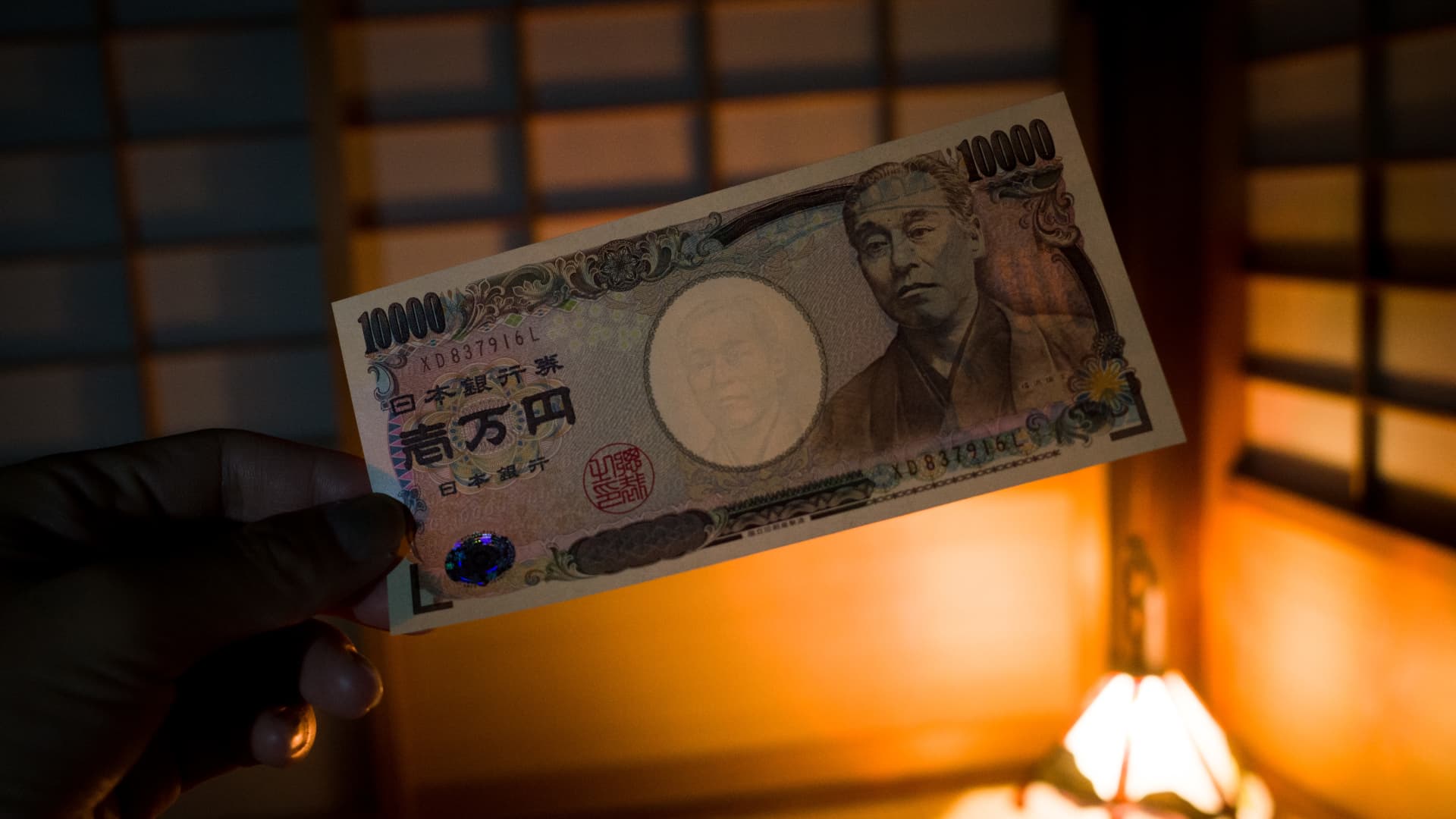
Japan’s government bond market is getting attention again after years of ultra-low yields, and that matters well beyond Tokyo. Higher Japanese yields can change where global investors park cash, including money that has long helped support U.S. and European debt markets.
Japanese government bonds, known as JGBs, have sold off as the Bank of Japan moves away from years of crisis-era policy and investors weigh Prime Minister Sanae Takaichi’s spending plans, CNBC reported. When bond prices fall, yields rise, which is why the selloff has pushed returns on new Japanese debt to levels not seen in decades.
The benchmark 10-year JGB yield reached 2.901% last Thursday, its highest level since 1996, according to CNBC. It was recently trading at 2.781%, up more than 70 basis points since the start of the year. A basis point is one-hundredth of a percentage point. The 20-year JGB yield also touched 3.901% last Thursday.
Why Japan’s bond market changed
For years, Japan’s bond market was shaped by the Bank of Japan’s yield curve control program, a policy designed to guide borrowing costs by targeting the 10-year yield at around zero. Japan used the policy while trying to revive inflation and economic growth. The BOJ ended yield curve control in March 2024 as part of its shift toward more normal monetary policy, CNBC reported.
Masahiko Loo, senior fixed income strategist at State Street Investment Management, told CNBC that JGBs are moving from “uninvestable” to “investable” for global bond investors. Loo said multi-decade-high yields mean investors are being paid again to hold Japanese debt.
Charles Gave, co-founder of Hong Kong-based research firm Gavekal, took a stronger view in a research note cited by CNBC. He said Japanese government bond yields were above where they should be and called long-dated Japanese bonds the most attractive bond market in the world. Gave said investors with no Japan exposure should consider a balanced portfolio split equally between Japanese equities and bonds, and he argued that long-dated JGBs could outperform gold in yen terms if Japanese yields fall and the yen strengthens.
Some investors are still cautious
Other market watchers are less convinced. Henning Potstada, global head of multi-asset at DWS, told CNBC that European bonds still look more attractive because policy rates are higher there. He cited the European Central Bank’s 2.25% rate compared with the BOJ’s 1% rate.
Potstada also pointed to Japan’s debt burden. Japan’s debt-to-GDP ratio is above 200%, while the European Union’s was 81.7%, according to Eurostat data cited by CNBC. He said European bond positions offer more stability for investors concerned about debt sustainability.
Lauren Hyslop, investment manager at Mattioli Woods, told CNBC that foreign investors have been returning selectively as yields rise. She said a record 9.3 trillion yen flowed into longer-dated Japanese debt in 2025, especially in the 20- to 30-year segment after yields moved above 3.5%.
Hyslop said the 10-year yield near 2.87% is close to what many large firms see as fair value based on Japan’s growth and inflation outlook. She also warned that ultra-long bonds carry risk. If the 30-year yield moves above 4.5%, life insurers could become forced sellers, she told CNBC.
Japan’s Government Pension Investment Fund, described by Global SWF as the world’s largest pension fund, could play a major role. Hyslop said any move by the $1.8 trillion fund into domestic bonds would help stabilize the market.
Reuters reported that Finance Minister Satsuki Katayama said Tokyo would look for ways to encourage pension funds, including GPIF, to invest much more in Japanese financial assets. Reuters also reported that there were no immediate changes planned to GPIF’s medium-term objectives.
The shift is already being felt overseas. Hyslop told CNBC that Japanese investors sold $29.6 billion of U.S. debt in the first quarter of 2026 as domestic yields rose, reducing a buyer base that global bond markets had long counted on. John Sidawi, senior portfolio manager for global fixed income at Federated Hermes, told CNBC that fiscal pressure, views that the BOJ is behind on rate increases, and Middle East tensions are still limiting demand for Japanese bonds.
This story draws on original reporting from CNBC.