K-beauty’s U.S. surge is moving from TikTok carts to store shelves
Korean beauty sales are growing fast in the U.S., giving retailers like Sephora, Ulta and Target a new way to chase skin-care demand.
By Theo Nakamura · Staff Writer
· 3 min read
Korean beauty is no longer a niche corner of online shopping, and that shift is starting to matter for public retailers that sell skin care. Sales are growing quickly, more U.S. households are trying the category, and chains from Sephora to Target are expanding shelf space to meet demand.
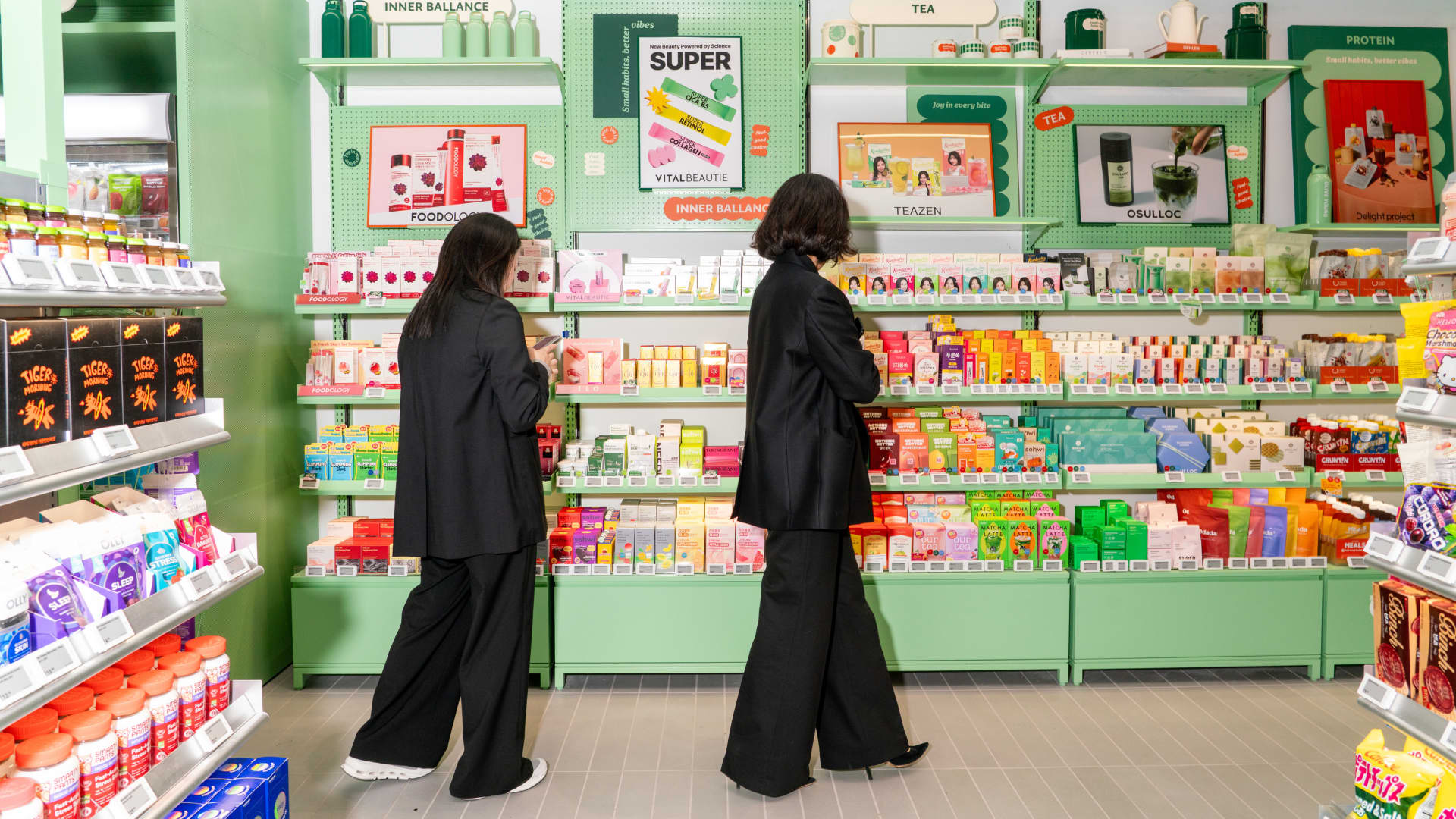
Olive Young, the South Korean beauty retailer, offered a clear snapshot of that momentum when it opened its first U.S. store in Pasadena, California, in late May. The company said 6,000 customers visited during opening weekend, and the location now averages more than 1,600 visitors a day. Olive Young has since opened another store in Century City, California, and said it plans to add more U.S. locations.
Rena Kim, Olive Young’s global communications lead, told CNBC that the U.S. was a natural step because it is both the world’s biggest beauty market and a major influence on global beauty trends and consumer behavior.
Skin care demand is doing the work
K-beauty, short for Korean beauty, has been building in the U.S. for years. Anna Mayo, a beauty thought leader at NielsenIQ, told CNBC that the first wave gained strength in the 2010s and continued during the Covid-19 pandemic, when consumers had more time to learn about routines, ingredients and product layering.
Mayo said U.S. consumers became more focused on skin care, including the “glass skin” look, a term used for clear, hydrated and glowing skin. That skin care-first mindset helped prepare shoppers for the next wave of Korean brands, she told CNBC.
NielsenIQ said U.S. K-beauty sales reached $2.8 billion in early 2026, up about 48% from a year earlier. That followed roughly 45% growth in the prior-year period. NielsenIQ data also showed household penetration, meaning the share of U.S. households buying the category, rose to 28.7% in the latest annual period from 13.7% in the 2022-23 period.
Morgan Stanley analyst Simeon Gutman said in a March 11 note that U.S. K-beauty sales could reach about $4 billion in 2026, citing rising interest in Korean culture and demand for functional skin care. CNBC said Gutman later confirmed that view remained current.
Retailers want more of the category
Online channels including TikTok Shop and Amazon account for a large portion of K-beauty sales, according to NielsenIQ data cited by CNBC. Mayo said that leaves room for physical stores to capture more of the market.
Sephora partnered with Olive Young earlier this year to bring Korean beauty products to customers in stores and online. Gutman also said Ulta Beauty is positioned to benefit from the category’s popularity.
Ulta finance chief Christopher DelOrefice said in the company’s latest earnings report that skin care and wellness delivered low-single-digit comparable growth. Comparable growth, or comp growth, measures sales at stores and channels open long enough for a fair year-over-year comparison. DelOrefice said prestige skin care, including Korean brand Medicube, performed well, while Peach & Lily helped drive guest engagement and Anua supported mass skin care growth through store expansion.
B. Riley Securities analyst Anna Glaessgen told CNBC that Ulta should keep meeting consumers where demand is. She also flagged a risk for retailers: K-beauty products often sell at lower prices than prestige skin care, which could put pressure on average selling prices if shoppers trade down from higher-priced products.
Target is also expanding. A spokesperson told CNBC the retailer quadrupled its K-beauty assortment in the spring, adding more than 150 products and more than 10 brands across skin care, makeup and hair care. Amanda Nusz, Target’s senior vice president of merchandising for essentials and beauty, told CNBC that K-beauty is an example of the brands and trends guests want.
Raymond James analyst Olivia Tong told CNBC that K-beauty has influenced the broader category through ingredient-led products, including centella asiatica. She said the market shift is tied to maintenance, ingredients and faster product development, rather than a short-lived trend.
This story draws on original reporting from CNBC.