Korean leveraged ETF losses draw finance minister apology
South Korea may tighten access to single-stock leveraged ETFs after retail buyers took steep losses in chip-linked funds.
By Theo Nakamura · Staff Writer
· 3 min read
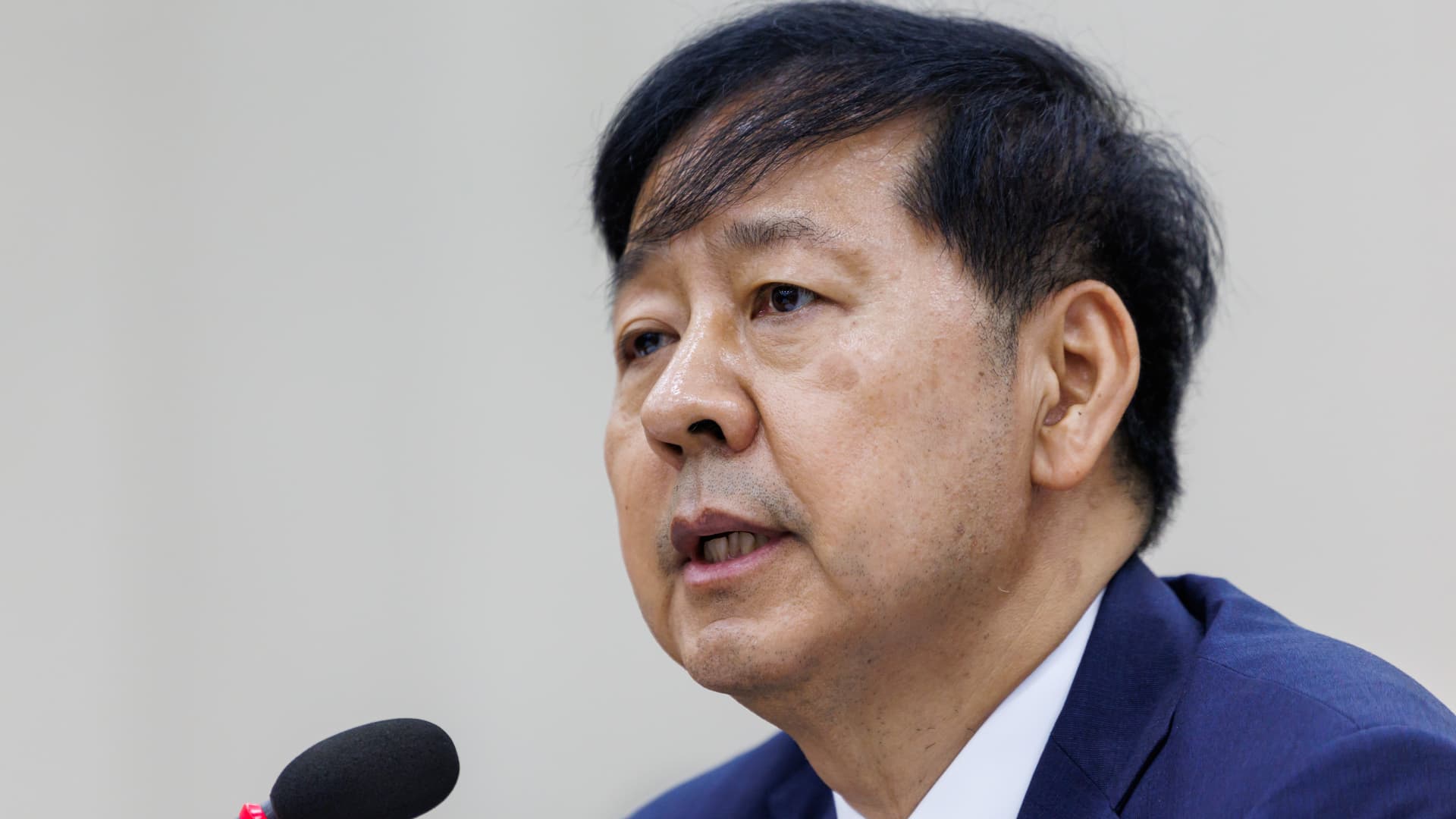
South Korea’s finance minister apologized Wednesday as Korean leveraged ETF losses deepened for retail investors who bought funds tied to major chip stocks. For everyday investors, the episode is a reminder that products built to multiply daily stock moves can cut both ways fast, especially when the underlying trade reverses.
Finance Minister Koo Yun-cheol accepted lawmakers’ request for an apology during a parliamentary session, Reuters reported. The apology followed the introduction of single-stock leveraged exchange-traded funds earlier this year, which officials said had been allowed without enough careful review.
The products were launched on May 27. Since then, Korean retail investors have made net purchases of 14 trillion won, or about $9.7 billion, according to KB Financial Group data cited by CNBC. Foreign investors bought roughly 2 trillion won on a net basis over the same period, KB Financial Group said.
The pain has been concentrated in funds linked to Samsung Electronics and SK Hynix, two chipmakers that had benefited from enthusiasm around artificial intelligence and semiconductors. That trade has cooled sharply as the Kospi index, South Korea’s main stock benchmark, has fallen almost 35% over the past month, according to CNBC.
What happened to the KODEX SK Hynix leveraged ETF?
The KODEX SK Hynix Single Stock Leverage ETF, designed to deliver twice SK Hynix’s daily share-price move, has dropped more than 80% from its June 23 high, according to LSEG data cited by CNBC. A similar leveraged fund tracking Samsung Electronics has lost nearly 75% from its June 3 peak, CNBC reported, citing LSEG data.
A leveraged ETF is a fund that uses financial tools to amplify the daily move of an asset. In a 2x single-stock product, the goal is to move about twice as much as one company’s shares on a given day, before fees and other effects, which means a 5% drop in the stock can translate into a roughly 10% daily loss for the fund.
These products are especially risky when shares swing around for several sessions. Because leveraged ETFs reset daily, returns over weeks or months can differ sharply from simply doubling the stock’s total move over that period.
Will South Korea restrict single-stock leveraged ETFs?
South Korea’s Financial Services Commission is considering whether access should be limited to professional investors, according to remarks by FSC Chairman Lee Eog-weon reported by the Seoul Economic Daily. Lee told lawmakers that raising the investment requirements to the professional-investor level is one option if regulators decide it is needed.
Lee also said regulators could consider lowering the leverage multiple on single-stock products if lawmakers prepare the required legislation, according to the Seoul Economic Daily. He said a two-times tracking multiple was large and that reducing it could help ease volatility.
Any changes would matter for retail investors because they could affect who is allowed to buy the products and how much leverage future funds can offer. For now, the confirmed facts are that officials are reviewing possible restrictions, investors have taken steep losses, and South Korea’s chip-stock selloff has exposed how quickly leveraged single-stock funds can magnify a downturn.
This story draws on original reporting from CNBC.


