Link Snacks sales top $1.6 billion as Jack Link’s rides protein demand
Link Snacks grew from a bankrupt Wisconsin meat business into a family-owned meat snack company with more than $1.6B in 2025 retail sales.
By Theo Nakamura · Staff Writer
· 4 min read
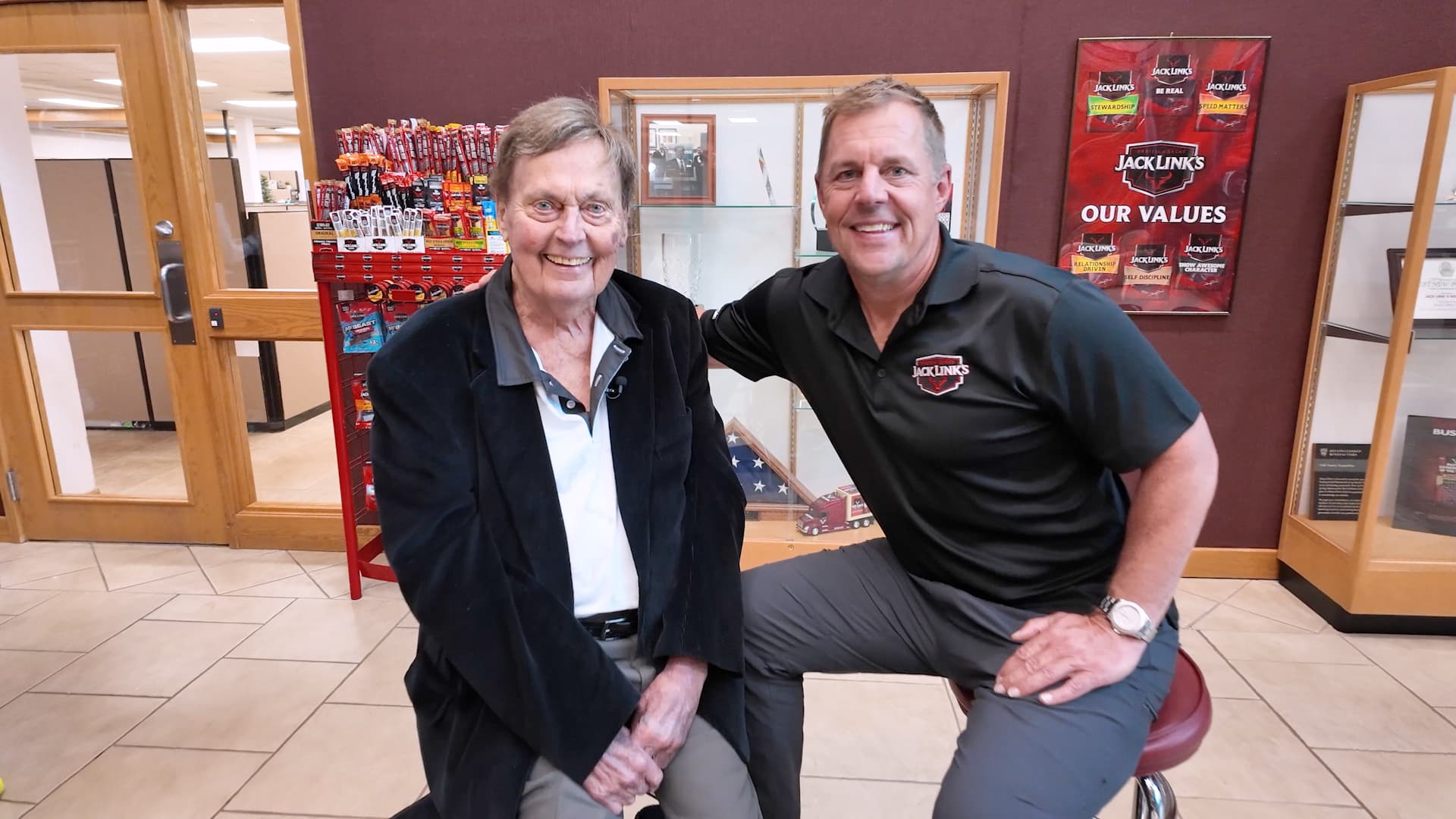
Link Snacks sales topped $1.6 billion in 2025 brick-and-mortar retail sales, according to Nielsen IQ data shared with CNBC Make It by the company. For everyday investors, the privately held Jack Link’s owner is a useful window into a bigger packaged-food shift: shoppers are still paying up for protein snacks, even as beef costs rise.
The company traces its modern start to 1985, when Jack Link was a 40-year-old father in Minong, Wisconsin, and the slaughterhouse he had bought from relatives had entered bankruptcy protection. His family already had deep roots in local food businesses, including a general store opened in 1885 and a meatpacking operation that made sausage for the store, according to CNBC Make It.
Jack Link’s son Troy, who was 15 at the time and later became CEO, told CNBC Make It that his father tested several ideas in the meat facility before beef jerky stood out. After Troy brought home convenience-store jerky from a hunting trip, Jack Link compared the price with what he knew about cattle and meat retailing and saw a product his family could make itself.
How did Link Snacks get so big?
The family began selling beef jerky under the name “Beef Steak” at its general store, using family smokehouses and a recipe Jack Link said came from his great-grandfather, a German-born sausage-maker. Troy Link told CNBC Make It the product was profitable from the start and soon moved into local grocery and convenience stores.
Link Snacks then expanded by buying smaller Midwest rivals, which gave it more distribution and manufacturing capacity. Its products grew beyond jerky into items such as beef sticks, steak strips and shelf-stable snack packs that included Wisconsin cheese.
The broader category helped. The Atkins Diet made protein a major consumer theme in the 1990s, CNBC Make It reported, and later trends including Paleo eating and today’s protein-focused diets gave meat snacks more room on shelves. Nielsen IQ Retail Management estimated that U.S. brick-and-mortar meat snack sales exceeded $5 billion in 2025, while Circana said U.S. category sales rose 42% since 2023.
Troy Link also pushed the brand into national advertising after becoming president in 2003. Working with Carmichael Lynch, the company created the “Feed your wild side” campaign built around people eating meat snacks before bothering a Sasquatch. Link Snacks spent $10 million in 2008 to run the commercials on networks including ESPN, Comedy Central and Discovery, according to the Minnesota Star Tribune. The company said Jack Link’s annual sales rose 47% during the first two years the ads ran nationally.
What does Link Snacks mean for food investors?
Link Snacks is family-owned and privately held, so investors cannot buy its shares on the public market. Its growth still matters because it competes with public packaged-food companies, including Hormel Foods and Conagra Brands, whose Slim Jim brand is a meat-snack rival.
Hormel and Conagra have market values above $14 billion and $7 billion, respectively, according to CNBC Make It. Market value, also called market capitalization, is the stock market’s estimate of a public company’s total equity value.
Link Snacks has also kept expanding outside its original U.S. base. In 2014, it bought Unilever’s meat snacks business for an undisclosed amount, including the European brands BiFi and Peperami and a plant in Ansbach, Germany. More recently, the company opened a 412,000-square-foot, $450 million manufacturing facility in Perry, Georgia, in 2025.
The company faces pressure from beef prices, tariffs and competition from newer brands such as Chomps and Archer Meat Snacks, CNBC Make It reported. Troy Link told the Milwaukee Business Journal in February 2025 that tariffs and other global economic pressures had lifted costs and led the company to raise product prices by at least 10% in 2025.
Troy Link, who became CEO in 2013, told CNBC Make It that the company watches consumer research closely to see where people want to buy its products and what they want to eat. Jack Link, now chairman, credited the company’s growth to “good hard work” and “good product,” according to CNBC Make It.
This story draws on original reporting from CNBC.